Wound Care After Surgery in July: How Skilled Nursing Helps Prevent Setbacks
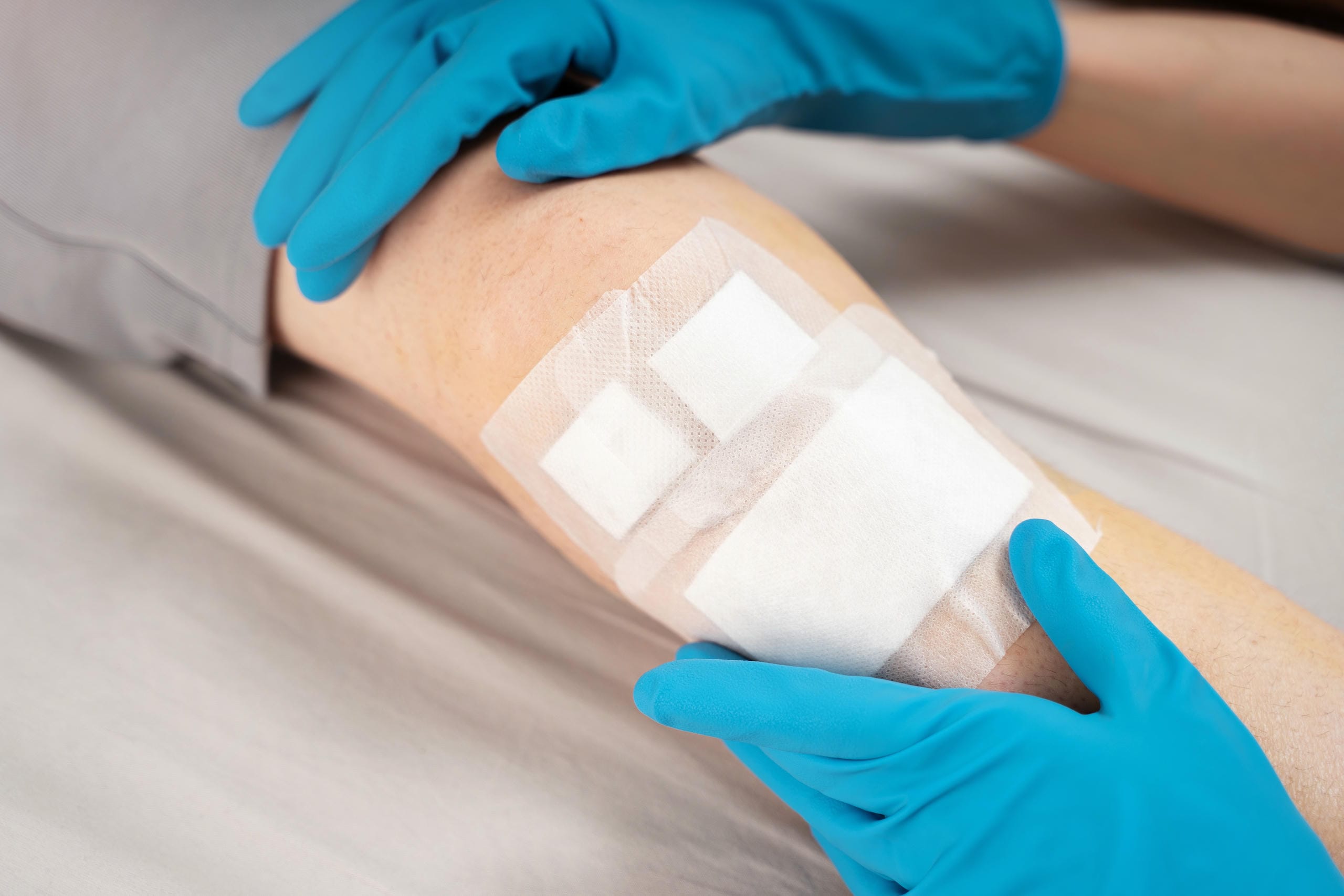
Fever above 100.4 hits different than the vague warmth that shows up for a day or two after any surgery. Redness that’s crawling outward from the incision, not just sitting at the edge, means something’s wrong. So does drainage that changes character. Clear fluid turning cloudy or yellow, or picking up a smell, is not a “wait and see if it improves” situation. Pain is the trickiest one because everyone expects some on day two or three. It’s day four or five getting worse, not better, that should trigger a call. Swelling that spreads outward rather than staying confined near the wound rounds out the list, and honestly, families catch this one late more than any other because early swelling after surgery is normal and nobody wants to be the person who calls about nothing.
Here’s the thing about wound care after surgery: the failures are almost never dramatic. A wound doesn’t announce trouble. It leaks a little more drainage than yesterday. The skin around it stays warm an hour longer than it should. A grandmother recovering from hip surgery mentions the incision itches, and everyone assumes healing, when itching combined with warmth sometimes means something else entirely.
Queens summers run humid. Air conditioning cycles the skin from damp to dry and back, adhesive loosens, and a dressing that held fine in April needs changing twice as often in July. None of this is intuitive unless someone’s watching for it daily, which is the actual argument for professional oversight during recovery months rather than a once-a-day glance from a well-meaning family member juggling work and everything else.
The Mechanics Behind Summer Wound Complications
Sweat changes the chemistry under a bandage. Moisture pools, bacteria find that pool agreeable, and an incision that would tolerate two days between dressing changes in cooler weather sometimes can’t tolerate one in peak summer. Staff at facilities managing surgical recovery adjust dressing frequency based on actual skin condition rather than a fixed calendar, which sounds obvious until you consider how many home caregivers just follow the discharge sheet’s schedule regardless of what the wound is doing.
Overexertion compounds it. Warm weather makes people feel capable of more than their body’s ready for. Someone two weeks out from cardiac surgery decides a walk around the block feels manageable, then extends it, then wonders that evening why the sternal incision feels tighter than it did that morning. Tissue still forming new collagen doesn’t handle stress gracefully, and stress on healing tissue is exactly what opens a clean incision back up.
What Actual Monitoring Looks Like, Beyond a Glance
Documentation matters more than people assume. Nursing staff tracking wound status against measurements and photographs from previous days catch drift that a family member checking casually would miss. A wound edge that’s crept two millimeters wider since Tuesday isn’t visible to someone eyeballing it once. It’s visible against a record.
Blood sugar control affects healing speed directly, and residents recovering from orthopedic procedures with poorly controlled glucose heal slower, full stop. Coordination between nursing and dietary on this isn’t cosmetic attention to detail. It’s one of the more reliable levers for whether an incision closes on schedule or stalls.
Pain matters here too, in a way that’s easy to underrate. Poorly managed pain keeps people still, and stillness reduces circulation to the exact tissue trying to heal. Treating pain aggressively enough that a patient stays mobile, within limits the surgeon’s cleared, does more for wound closure than most families expect walking in.
Where Stroke Recovery and Orthopedic Recovery Complicate the Picture
Stroke patients often carry mobility limits that put pressure-prone skin at risk on top of whatever surgical wound already needs attention. Two separate wound problems on the same body, competing for the same limited window before either one worsens. Staff cross-trained in pressure injury prevention and surgical incision care catch overlap that single-focus home care sometimes misses entirely.
Ninety-four degrees, humidity thick enough to feel, and a fresh incision taped under a cotton shirt. Nobody covers that combination at discharge. You get a sheet on medication timing, a follow-up date circled on the calendar, maybe a pamphlet about signs of infection printed in a font size that suggests nobody expected anyone to actually read it closely. What you don’t get is anything useful about adhesive failing in humidity, or how “just a short walk outside” turns into three hours at a nephew’s graduation party because it’s finally nice out and nobody wants to be the one who leaves early.
When to Call Instead of Waiting It Out
Joints don’t hold still, not even when someone’s trying. A knee incision gets stressed by shifting weight in a recliner about as much as it would by an actual stretch, which surprises people who assume rest means the joint stays put. It doesn’t, not really. Coordinating brace positioning, timing dressing changes around physical therapy sessions rather than an arbitrary clock, staying ahead of swelling that builds from normal daily movement near a joint that just got operated on — home caregivers manage this less consistently than they think they will going in.
None of these demand panic. They demand a professional look sooner rather than later, and that’s really the whole case for structured wound care after surgery during summer months specifically. Not because families fail at home care. Because July adds variables that make daily clinical eyes worth more than they would in October.
Holliswood Center: Wound Care and Short-Term Rehab
Cardiac patients healing a sternal incision and orthopedic patients healing a fresh joint replacement aren’t managed the same way at Holliswood Center, and that distinction shows up daily rather than getting flattened into one checklist. Short-term rehab, cardiac care, pain management, stroke care, orthopedic care, and long-term care all run alongside wound management here, which means the clinical team treats a healing incision as part of a bigger recovery story instead of a task list item. Anyone weighing recovery options for a family member this summer can look into services and admissions at Holliswood Center.
Care. Support. Positive Outcomes. Centers Health Care.
Centers Health Care provides rehabilitation, skilled nursing and long-term care for people with a wide range of needs. Whether someone is recovering from surgery, managing an illness or simply needs more support than can be provided at home, our staff is there to help.
The goal is not exactly the same for everyone. It may be returning home, becoming stronger, staying independent or simply feeling better and more comfortable from one day to the next. There will be progress, setbacks and difficult days along the way. Our job is to be there through all of it, and to help each patient or resident get as far as he or she can.
Sometimes that progress comes in large steps. More often, it comes in small ones. Either way, every step matters.
Our Steps to Home series follows patients through rehabilitation and the journey from hospital to home: