Wound Care and Rehab: Why Healing Needs a Full Care Plan
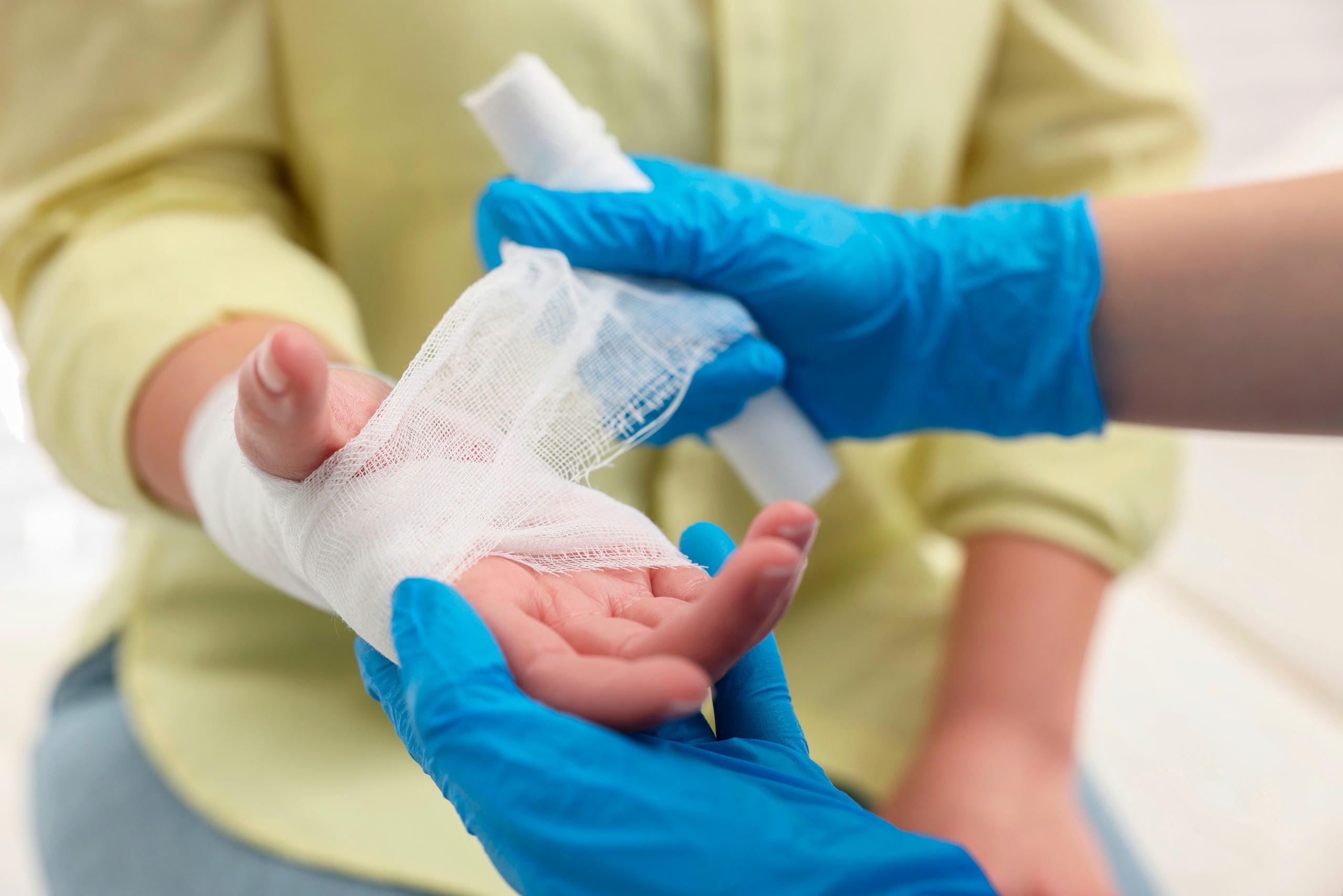
Tuesday morning, the dressing has held. By lunchtime, therapy has changed the calculation: more drainage, a sore heel, and a patient who is now favoring one leg. None of that is unusual. It does mean the wound cannot be treated as a small project assigned to one nurse.
What happens at meals, in bed, on the toilet and during a transfer all reaches the skin eventually. So do circulation, glucose control, swelling and pain. Rehab brings movement back, sometimes cautiously. The clinical trick is to gain function without rubbing, loading or soaking tissue that is trying to close.
Why Wound Care and Rehab Have to Share the Same Plan
“Get the patient moving” is a sensible goal. Then the details arrive. Can the person bear weight on the affected foot? How long is sitting safe before pressure relief? Did pain medication take effect before therapy?
Nursing and therapy see different slices of the day. A therapist notices the patient guarding one side; the nurse later finds more drainage. Once those observations meet, the exercise plan, positioning, dressing routine or pain strategy may need an adjustment.
Bed rest brings its own trouble: weakness, stiffness and more pressure exposure. The workable middle ground is specific. Approved weight-bearing, short activity, planned rest, ordered offloading and position changes are fitted to the person in front of the team.
Sometimes Lunch Is Part of the Wound Assessment
The tray comes back with the chicken untouched. Easy to overlook; harder to dismiss once healing slows. Tissue repair draws on protein, calories and fluid, with the amounts shaped by diagnosis, appetite and swallowing ability. Glucose readings, leg swelling, circulation, anemia or medications may also need another look. A fancy dressing cannot supply blood flow.
Pain starts another loop. Standing hurts, the patient stays seated, pressure builds and strength slips. Relief timed before therapy may open a useful window. Dizziness closes it again.
Then somebody mentions the recliner used all day at home, and the planned offloading routine suddenly looks doubtful. That detail came from family, not a lab. Nursing, therapy, nutrition staff and the medical team can now work with it.
The Thursday Handoff Test
One chart says “healing nicely.” Another gives a current measurement, drainage, tissue in the bed and a sore patch along the edge. Only one can guide the nurse arriving Thursday night.
Depth can change while the opening looks smaller. A tunnel may hide under intact skin. Documentation may cover length, width, depth, edges, nearby skin, pain and odor after cleansing. Photos add continuity where consent and policy allow them. Pressure injuries also need the proper stage.
Risk gets its own record. On the Braden Scale, staff score sensation, skin moisture, activity level, ability to move, nutrition, and friction or shear. Six headings, six possible trouble spots. A person sliding down in bed presents one problem. A damp brief presents another.
Gold STAMP, New York’s pressure-injury initiative, carried this thinking across settings. It joined skin checks and risk assessment with nutrition, pressure management and a decent handoff. Location, measurements, treatment, support surface and recent changes belong in that exchange. “Wound present” barely begins it.
Wound Care and Rehab in 2026: A Precaution Can Look Like a Diagnosis
The gown worries the visitor. Staff are only helping the resident from bed to chair, and no one has mentioned an infection.
There may be none. CDC guidance puts residents with wounds under Enhanced Barrier Precautions for certain close-contact care in long-term-care settings. Gown and gloves can appear during bathing, dressing, transfers or wound work. The rule applies even without a known multidrug-resistant organism. A person may carry one silently.
Actual infection depends on what is happening. Is redness spreading? Has the skin become hot or swollen? Thick drainage, changed odor, rising pain and fever deserve attention. Confusion or a sudden drop in therapy participation may show first in an older patient. Sepsis sits behind the urgency.
Current 2026 surveillance instructions have the infection preventionist compare lab findings, medicines and bedside observations. Friday’s dressing note may lead; the fever may come later.
Technology Helps, Provided Someone Is Watching It
Negative pressure wound therapy can remove exudate and maintain a controlled environment for selected wounds. New powered and nonpowered systems continue reaching the market in 2026, including portable configurations.
The machine does not replace assessment. Seal, tubing, canister, prescribed pressure, nearby skin and alarms still need attention. Bleeding, lost suction, changed drainage or worsening pain calls for clinical review. Wound characteristics and the treating clinician’s order drive device selection.
Plenty of wounds use simpler dressings. A dry wound, heavy drainage and fragile nearby skin are three different jobs. “Advanced” is a marketing adjective; fit is clinical.
The Rehab Plan Has to Survive the Trip Home
A transfer may look safe in the therapy gym and fall apart beside a low bed at home. Discharge planning needs the less flattering rehearsal.
Can the person reach the bathroom without dragging a heel? Who will inspect a hidden area? Does the caregiver understand hand hygiene, pressure relief and warning signs? Therapy can test dressing, bathing, transfers, walking and stairs within the wound precautions. Nursing reviews the schedule and what to do when drainage, pain or the dressing changes.
Goals shift. A wound can improve while endurance lags, or mobility can advance while the skin needs longer protection. The plan has new information.
Care. Support. Positive Outcomes. Centers Health Care.
At Corning Center, a short-term rehab stay can include wound treatment, pain management and stroke care in the same week. Long-term care is available as needs continue. On an ordinary afternoon, nursing checks the dressing, therapy finds a safer transfer, and the next position change happens after lunch. Some patients are aiming for home. Another person may be rebuilding after a stroke; someone else needs comfort, skin protection and as much independence as the day allows. Progress is rarely polite enough to follow the calendar. A five-foot walk can be a substantial gain. So can a dressing that stays dry through therapy. The team learns from both.
Centers Health Care’s Steps to Home series follows the stretch between arrival and the ride home: recovery planning, therapy, family teaching and the small functional gains that make discharge less of a guess.
Our Steps to Home series follows patients through rehabilitation and the journey from hospital to home: