Broken Bones and Rehab: A Family Guide for Summer Recovery
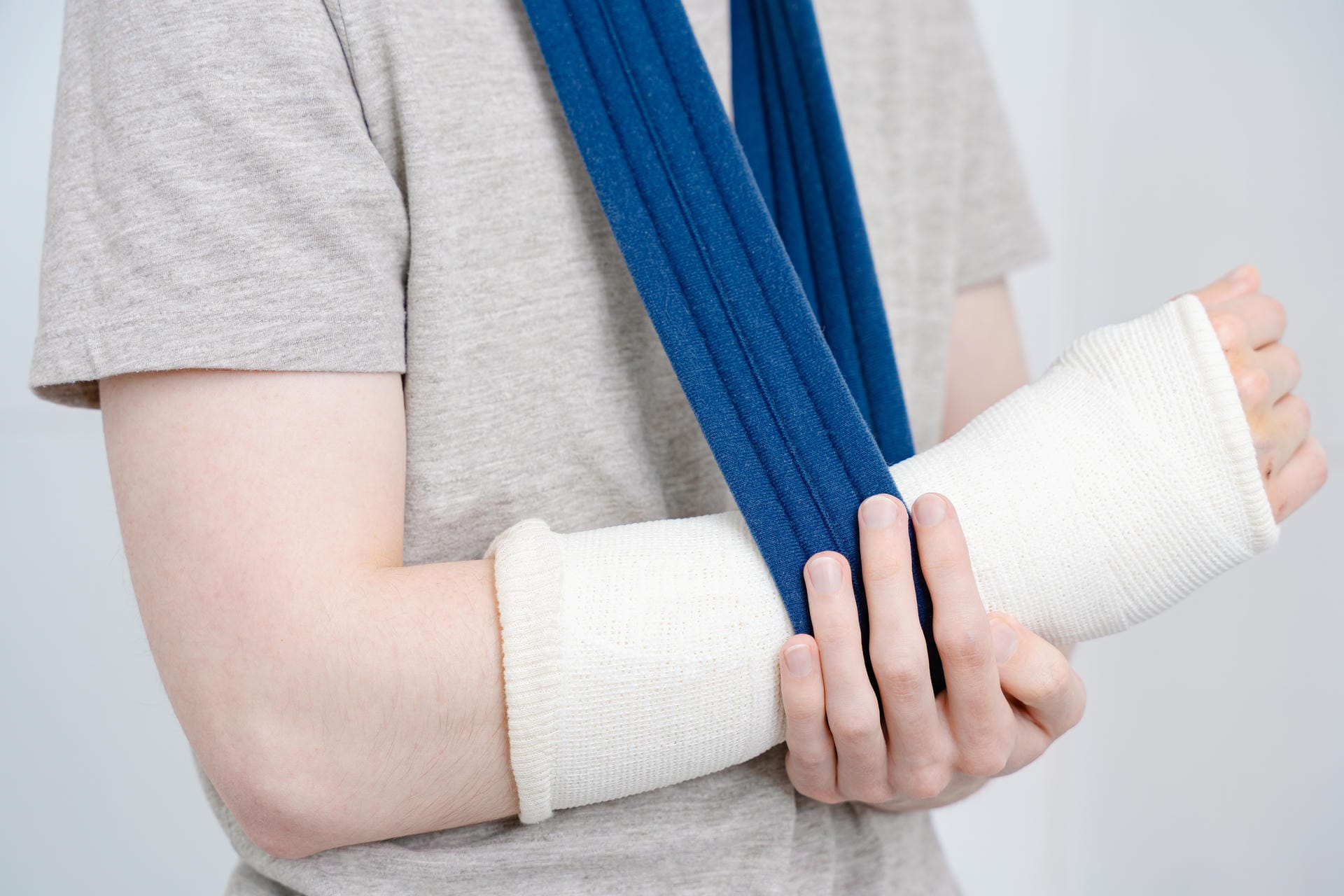
A wrist snaps on a bike path in June. A hip gives out stepping off a dock in July. Ladders, loose gravel, wet pool decks — summer produces its own particular inventory of fractures, and none of them come with a printed schedule for how long healing actually takes. Families want a number. Six weeks, they hope. Eight, tops. Short-term rehab after a broken bone doesn’t cooperate with that kind of math, and pretending otherwise sets everyone up for a rough August.
Bone knits on its own timeline, sure — but the rehab piece, the part where someone relearns how to grip a coffee mug or trust a knee on stairs, runs on a separate and messier clock entirely.
Why Rehab After a Broken Bone Takes Longer Than the X-Ray Suggests
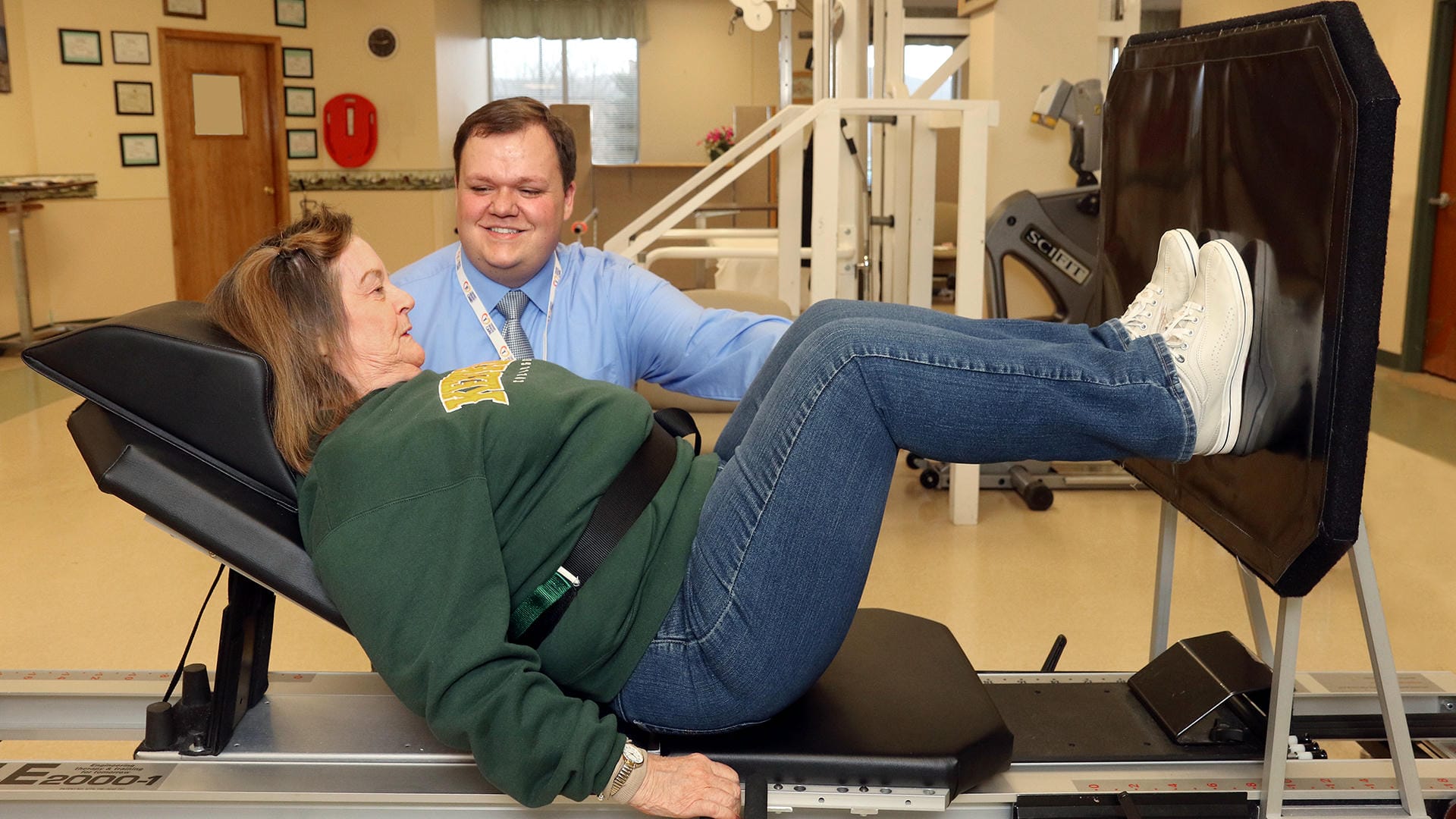
An orthopedic surgeon can look at a follow-up film and call the fracture healed. That’s the easy part, honestly. What the film doesn’t show is atrophy — three weeks in a cast and the surrounding muscle has already started giving up territory it won’t hand back without a fight. Grip strength in a wrist fracture patient can drop by a third. Hip fracture patients lose gait confidence faster than they lose bone density, and confidence is stubborn to rebuild once it’s gone.
Insurance timelines and biological timelines rarely line up, which is exactly why the rehab phase gets undersold. Someone’s cleared medically and still can’t open a jar.
What Rehab After a Broken Bone Actually Looks Like, Week to Week
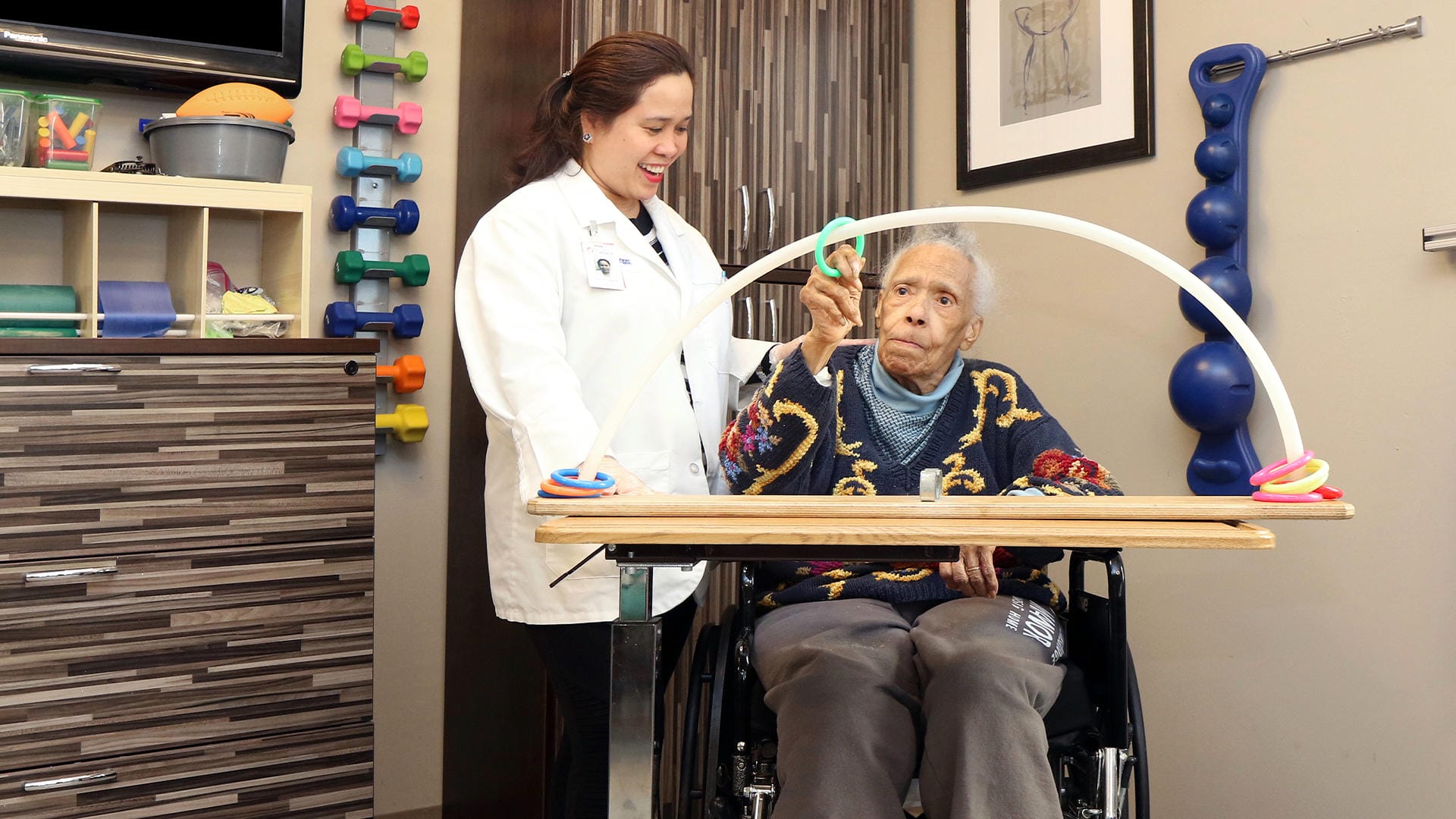
Early on, it’s mostly range of motion — gentle, supervised, sometimes frustratingly slow. A physical therapist works joints just past the point of stiffness without provoking the fracture site. Occupational therapy tends to enter around the same window for upper-extremity breaks, focused on the unglamorous stuff: buttoning a shirt, holding a fork steady, transferring off a toilet without white-knuckling the grab bar.
Weight-bearing status is the phrase families should actually learn. Non-weight-bearing, touch-down, partial, weight-bearing as tolerated — each stage unlocks different exercises, and skipping ahead is how re-injuries happen. Gait training with a walker or cane usually follows, then stairs, then — eventually, unevenly — a walk around the block that doesn’t end in exhaustion.
Pain gets managed, not chased. Zero pain isn’t the target and never was — a therapist pushing a stiff elbow through its arc needs the patient present and reporting back, not sedated into compliance. Too much medication and the exercises stall out anyway; nobody stretches a knee they can’t feel.
Reading the Signs: When Something’s Off
Swelling that returns after it had settled. A new, sharper pain replacing the dull ache. Fever. These aren’t things to wait out until the next scheduled appointment — they’re reasons to call sooner. Falls during rehab happen, and they happen more in the first two weeks home than at any later point, largely because confidence outpaces stability. Fall-risk protocols exist for a reason; families who skip the home safety walkthrough tend to regret it by week three.
Getting the House Ready Before the Cast Comes Off
Rugs get rolled up. Nightlights go in hallways. A shower chair, installed before it’s needed rather than after a near-miss. None of this is dramatic, and that’s precisely why families forget it — there’s no crisis prompting the to-do list until there is one.
Care. Support. Positive Outcomes. Centers Health Care.
For families in the Schenectady area navigating fracture recovery, Schenectady Center offers orthopedic care, pain management, and short-term rehab built around exactly this kind of recovery — the kind that doesn’t move in a straight line. The goal is not exactly the same for everyone. It may be returning home, becoming stronger, staying independent or simply feeling better and more comfortable from one day to the next. There will be progress, setbacks and difficult days along the way. Our job is to be there through all of it, and to help each patient or resident get as far as he or she can. Sometimes that progress comes in large steps. More often, it comes in small ones. Either way, every step matters.
Steps to Home
Discharge planning should start well before discharge day — a therapist assessing the actual staircase, the actual bathroom, not a generic checklist. A short-term rehab stay exists to close the gap between “medically stable” and “safe at home,” and that gap is where most of the real work of rehab after a broken bone happens. Family involvement in those final sessions — learning transfer techniques, watching a gait pattern up close — tends to matter more for a smooth homecoming than anything written on a discharge summary.
Our Steps to Home series follows patients through rehabilitation and the journey from hospital to home: