Cardiac and Orthopedic Rehab: Helping Seniors Regain Independence

Eighty-one and three weeks out from a bypass. That’s a different math problem than forty-one and three weeks out. The heart itself heals on roughly the same schedule either way — six to twelve weeks for the sternum, give or take — but everything wrapped around it, the balance, the stamina, the confidence to climb half a flight of stairs without gripping the rail like it owes you money, that part moves slower. Onondaga Center builds its cardiac and orthopedic programs around that gap.
November through March is its own variable up here. Central New York doesn’t do gentle winters, and a patch of black ice outside a Syracuse driveway has put more than a few otherwise-healthy seventy-somethings into a rehab bed by Thanksgiving. The six weeks that follow an injury like that decide more than the injury itself ever will.
Cardiac Rehab and the Path Back to Senior Rehab Independence
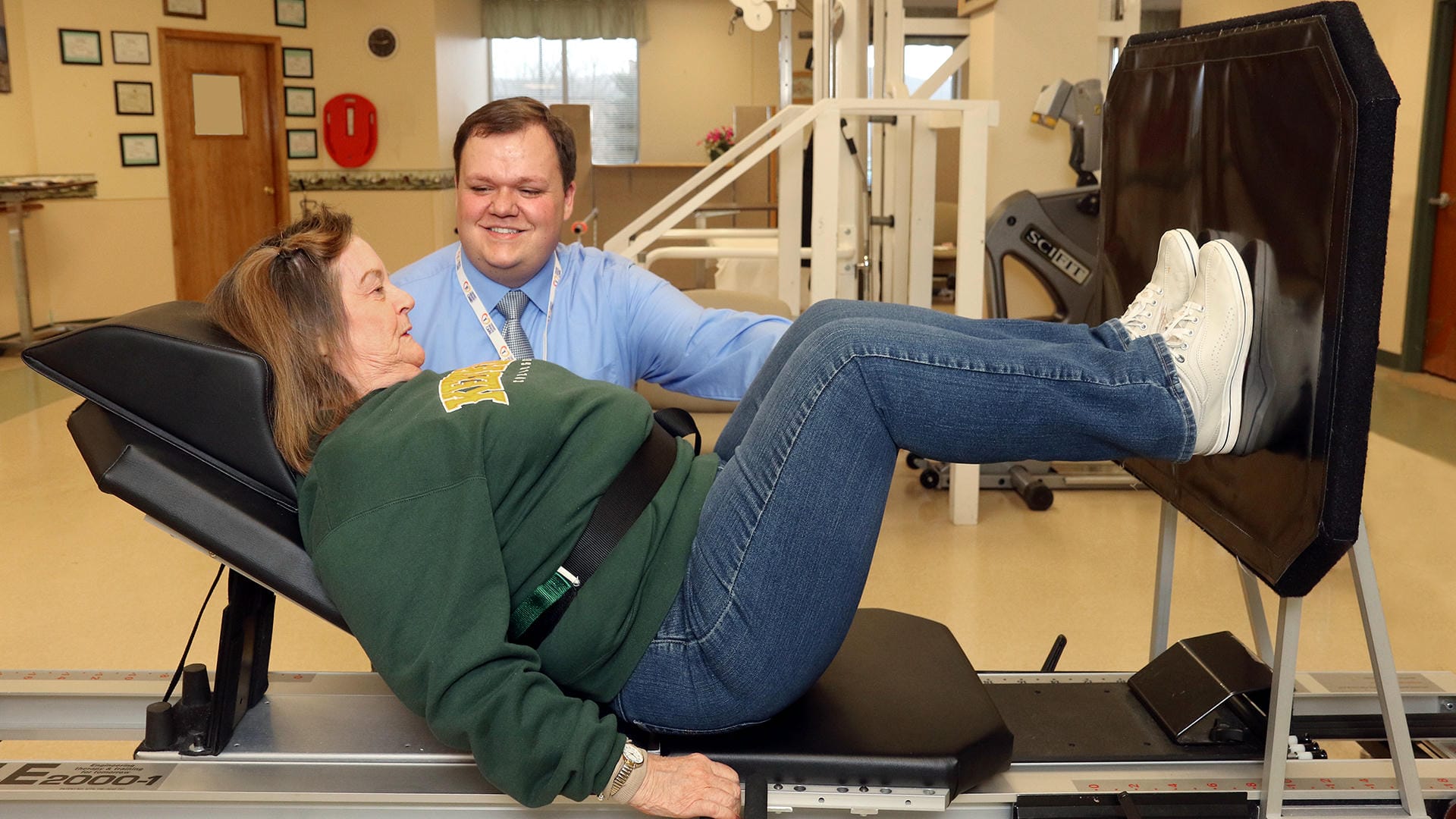
Telemetry first. Then walking, timed and logged. Then resistance work aimed at the specific muscle groups a heart attack or open-heart procedure leaves atrophied — the ones that sat idle for two weeks while the rest of the body kept working around them. The Six-Minute Walk Test runs on a loop through this phase, distance logged against baseline, because self-reported energy levels are notoriously unreliable. Ask a patient how they’re doing and you’ll get anything from stoic understatement to genuine alarm, neither one especially predictive.
Diet gets its own track. Forty years of a certain relationship with salt doesn’t reverse itself because someone handed over a laminated sheet. So staff sit — actually sit, not hover in a doorway — and go plate by plate through what changes and what doesn’t.
Orthopedic Rehab After Hip and Knee Surgery
Same-day mobilization is standard now for most hip and knee replacements, a genuine shift from a decade back when “bed rest” still meant something. Hip precautions come within hours: no crossing the legs, no bending past ninety at the hip, no twisting the torso while the foot stays planted. Simple on paper. Then someone tries to pull on a sock and discovers exactly how many of those rules a sock violates.
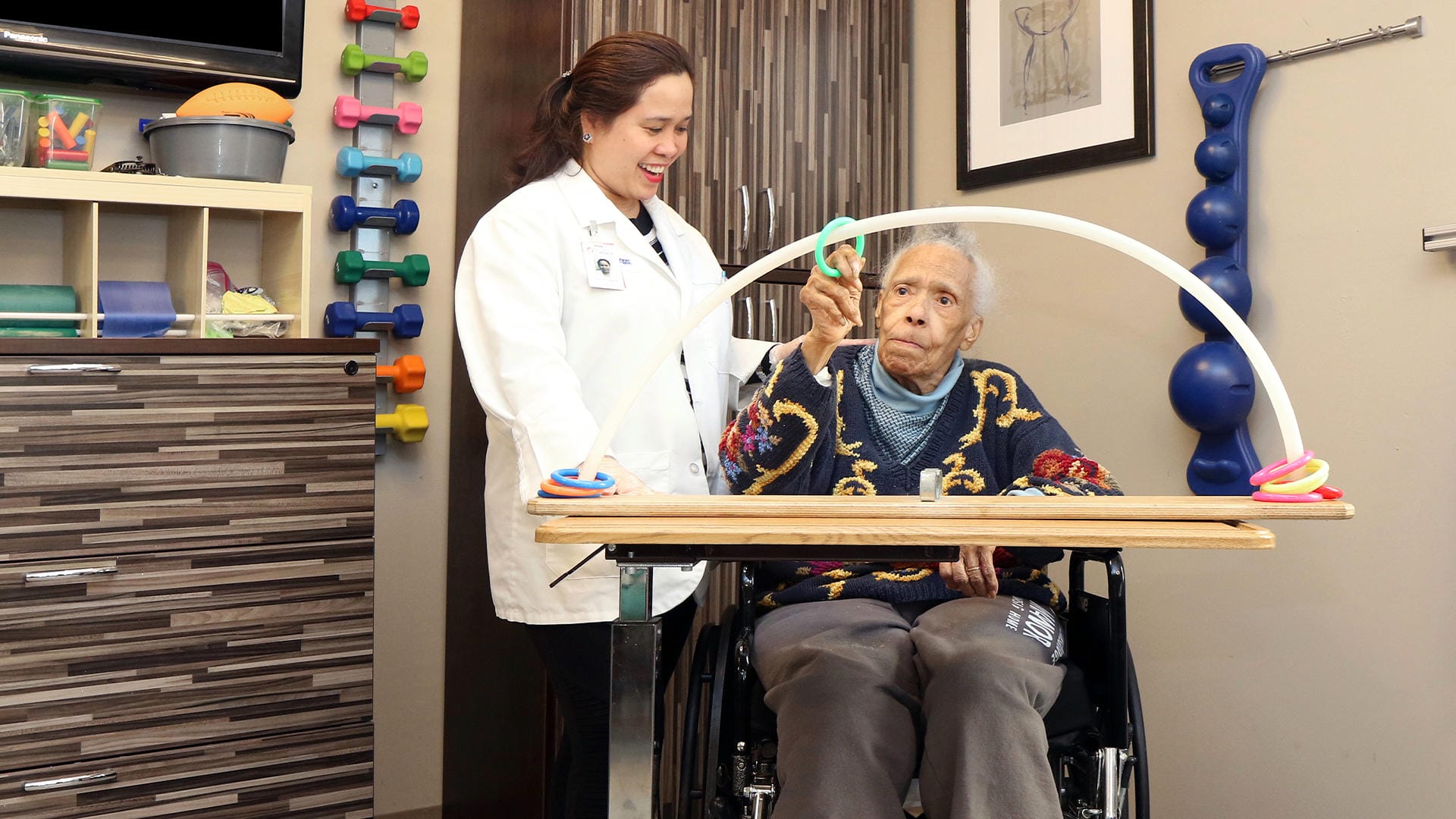
PT and OT split the job, more or less. PT chases range of motion and strength. OT handles the parts that don’t show up on a chart — getting off a toilet safely, managing a shower that predates the walker by forty years. The Timed Up and Go test, three steps really (stand, walk, sit), gets rechecked weekly and gives a rough read on fall risk that’s held up well in the literature.
Fracture repair cases climb every winter without fail. New admissions go through a fall-risk screen based on the CDC’s STEADI framework, catching risk before the next fall instead of after it.
Stroke Recovery: Speech, Movement, and Everything In Between
A stroke rarely stays in its lane. Speech therapy, PT, and OT often run the same afternoon for the same patient, because the deficits don’t sort themselves neatly. Someone relearning to hold a fork might be mid-sentence, searching for a word, in the same session.
Timing counts more here than almost anywhere else in rehab. Once a patient is medically cleared, therapy starts fast, sometimes within a day of the event, because the research on early intervention isn’t close.
Short-Term Rehab, Long-Term Care, and the Line Between Them
Three weeks and home is one path. It’s not the only one. Short-term rehab assumes a defined arc — surgery, illness, injury, a house to go back to — and it’s built entirely around getting someone to senior rehab independence inside that window. Long-term care is a different animal: needs that have shifted for good, where support isn’t a phase to push through but the new baseline.
Nobody makes that call alone. Physicians, therapists, family, the patient — everyone weighs in, and the answer isn’t always fixed. Strength comes back further than expected, sometimes. Sometimes it doesn’t.
Onondaga Center’s Approach to Rebuilding Independence
Independence doesn’t return in one piece. It shows up as someone managing their own pill cup again. Someone walking to the dining room solo. Someone doing their own hair, unassisted, for the first time in weeks. Small stuff, technically. Staff track it like vitals anyway, because it’s the actual scoreboard.
Care. Support. Positive Outcomes. Centers Health Care.
Onondaga Center runs rehabilitation, skilled nursing, and long-term care under one roof, and most people move through more than one of them before they’re finished. Cardiac surgery, a knee or hip replacement, a stroke, more support than a house alone can provide — the entry point differs person to person, but the staff who show up at the bedside don’t.
The goal isn’t identical for everyone. It may be returning home, building strength, staying independent or simply feeling better and more comfortable from one day to the next. There will be progress, setbacks and difficult days along the way. Our job is to be there through all of it, and to help each patient or resident get as far as he or she can.
Sometimes that progress comes in large steps. More often, it comes in small ones. Either way, every step matters.
Steps to Home
Discharge planning doesn’t start on discharge day, it starts weeks earlier. Home safety walkthroughs, family training on transfers and medication routines, coordination with outside physicians for follow-up — it all gets lined up ahead of time so nothing unravels the week after someone leaves. Families in the Syracuse area weighing what comes next can talk through the whole arc, admission to discharge, with Onondaga Center’s team directly.
Our Steps to Home series follows patients through rehabilitation and the journey from hospital to home: