Complex Care After Hospitalization: Questions Families Should Ask Early

A discharge can be approved while a family is still trying to understand what happened on Tuesday. One medication was stopped, another was added, oxygen settings changed, and somebody mentioned a wound that now needs daily attention. Then comes a list of possible next settings and a request for an answer.
Slow the conversation down. For a person leaving the hospital with several active conditions, the useful question is rarely, “Is this a good place?” Families need to know whether the receiving team can manage this particular combination of needs, what information will travel with the patient, and who will notice first if the plan starts going sideways. Those answers shape complex care after hospitalization from the first evening.
Before Complex Care After Hospitalization Begins, Who Owns the First 24 Hours?
Arrival day is busy in a very unglamorous way. Orders have to be reviewed, equipment checked, medications obtained, skin examined, diet instructions confirmed and baseline vital signs recorded. A family should ask who performs the admission assessment and when a clinician reviews the hospital discharge materials.
Start with the folder. The discharge summary should be there, along with the medication page the team is actually using. Check the date. An older printout can look perfectly official.
A thick packet can still miss the one page needed tonight. Ask a nurse to explain what will happen before morning. Maybe that means a certain oxygen setting or a suction schedule. Maybe it is tube feeding, a dressing change or help with transfers. If an instruction is fuzzy, who calls for clarification? Families should also hear the escalation rule in ordinary English: the changes in breathing, pressure, alertness, behavior or skin that will bring a clinician to the bedside.
“We have the paperwork” is a start. It does not tell you whether someone compared the pages.
Which Medication List Is the Working List?
The evening pills arrive. One looks unfamiliar; another, taken for years, is nowhere in the cup. Was it held at the hospital? Discontinued? Lost between two screens? There ought to be an answer, even if finding it takes a phone call.
Three versions of the regimen may exist by then. There is what the patient took at home, what was administered during the hospital stay and what has been ordered after arrival. Put them beside each other. Ask who checked the differences. Last-dose times, allergies and the purpose of each drug belong in the same conversation.
Anticoagulants, insulin and antiseizure drugs leave little room for casual assumptions. HIV treatment has its own complication: antiretroviral doses should remain on schedule, while new prescriptions need an interaction check against current federal tables. A bag containing the actual bottles can be more useful than everybody’s recollection. Add vitamins, antacids and supplements. They count too.
Complex Care After Hospitalization Needs Condition-Specific Answers
A broad claim of “24-hour care” says little about what happens at 2:15 a.m. when a ventilator alarms. New York’s ventilator-care regulation, 10 NYCRR 415.38, gets more concrete: physician direction by a qualified pulmonology specialist, assigned registered nursing coverage on every shift, respiratory therapy as needed, equipment maintenance and an assessment of whether ventilator dependence may be reduced. Ask how those requirements work on the unit. Who responds to an alarm? Where are backup supplies kept? When is weaning potential reassessed?
Other needs produce a different set of questions. After a cardiac hospitalization, ask whether staff will follow weight, swelling, shortness of breath, pulse, blood pressure and tolerance for activity, then find out what change prompts a call. Wound care should begin with a documented baseline: location, stage when applicable, dimensions in centimeters, drainage, surrounding skin and pain. The plan may also address pressure redistribution, repositioning, nutrition and the support surface.
HIV care can intersect with cardiac, neurologic and wound concerns in the same chart. Who tracks laboratory follow-up and protects the medication schedule from avoidable interruptions? On a neurobehavioral unit, ask how the team records triggers, sleep patterns and successful redirection. An antecedent-behavior-consequence log can reveal more than a label such as “agitated.”
How Will the Family Hear About a Change?
At 11:00 in the morning, “call the nurse” sounds simple. At night, with several people covering one unit, the route can get fuzzy. Get names or roles rather than a vague assurance: primary nursing contact, clinical supervisor, social worker and the person responsible for care-plan questions.
Then ask what earns a same-day call. A fall is obvious. New confusion, repeated refusal of essential medication, a change in wound drainage or steadily increasing oxygen needs may develop by inches. Families should also know how care-plan meetings are scheduled and how a health care proxy can participate when distance or work gets in the way. If relatives disagree among themselves, decide early who will receive clinical updates and pass them along.
What Would Progress Look Like Two Weeks From Now?
Try crossing out “get stronger” during the care-plan meeting. In its place, describe one ordinary afternoon two weeks from now. Perhaps he can reach the chair with one helper. Perhaps she walks to the bathroom and returns without stopping. A wound might be half a centimeter narrower. Those are answers a family can picture.
Walking may have very little to do with the immediate goal. Better sleep, fewer frightened outbursts or easier clearing of secretions could change the patient’s whole day. Write down two or three observations worth following, along with a date to compare them.
No single discipline owns the evidence. A therapist records the transfer; nursing sees the skin at dressing time; respiratory staff hear a change in the lungs. Sometimes the numbers improve while the patient has an awful Tuesday. Keep Tuesday in the record too.
Care. Support. Positive Outcomes. Centers Health Care.
A patient may reach Richmond Center with several instructions competing for attention: watch the heart, protect the wound, keep respiratory equipment running, preserve the antiretroviral schedule. Richmond’s services include cardiac care, wound care, ventilator care, HIV/AIDS care and neurobehavioral support. The individual care plan determines which services enter the day and how the staff coordinates them.
Home may be the goal. For somebody else, the next objective is a safer transfer, a calmer night or breathing with less distress. The route bends. A plan that looked sensible on Monday may need another look by Thursday.
Occasionally the improvement is obvious to everyone in the room. Often it appears in the chart first: a smaller wound measurement, one less person needed for a transfer, a longer stretch of comfortable activity. Then the next decision begins.
Steps to Home
Picture the first night back. The bathroom is down the hall, three steps rise at the front door and a piece of equipment starts beeping after midnight. Each detail belongs in the discharge discussion before the ride home is waiting downstairs.
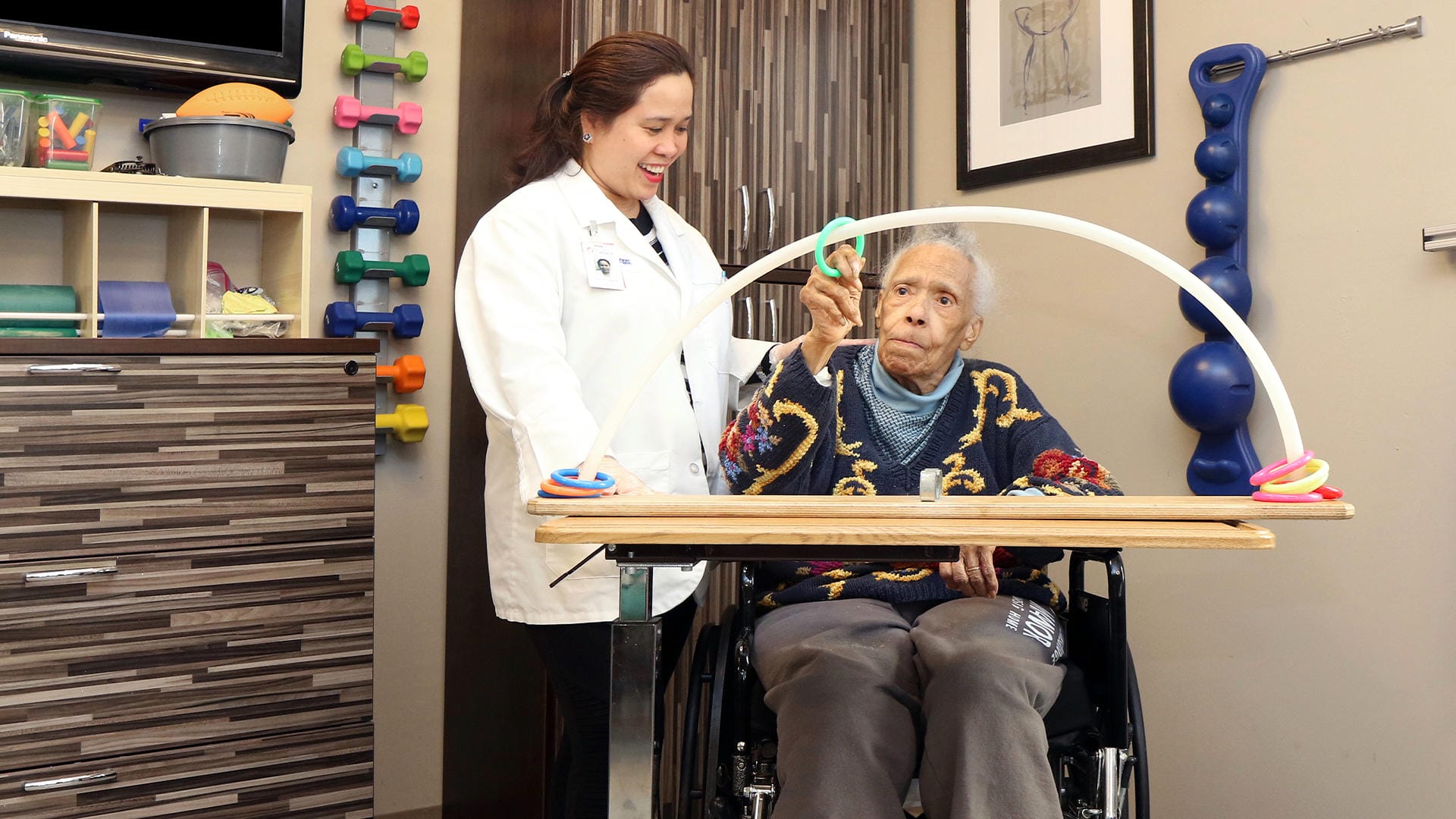
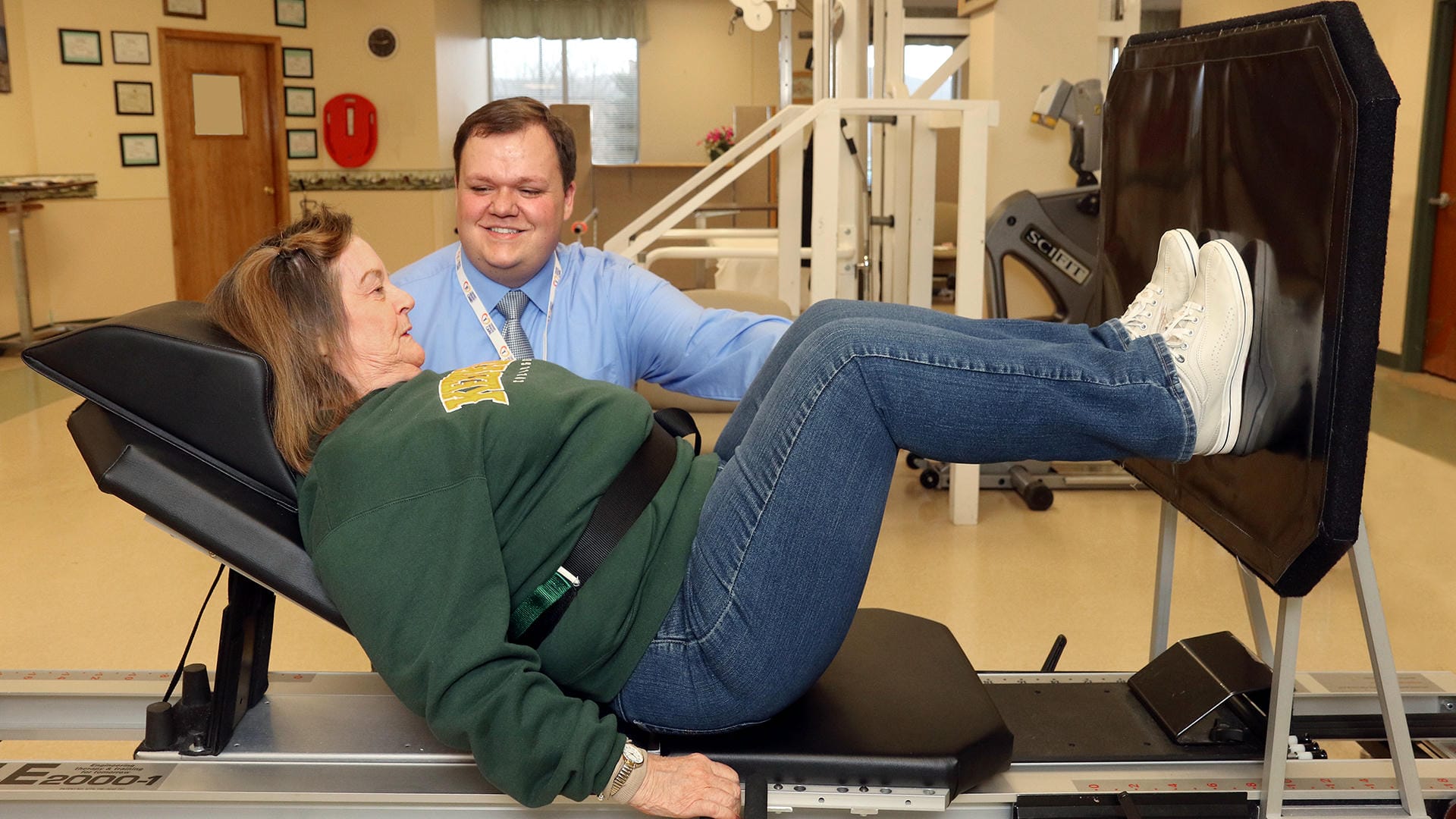
In the days leading up to discharge, Richmond Center can fold household tasks into nursing and rehabilitation work when appropriate. The relative who will provide help should try the transfer, equipment setup or dressing routine while staff can watch and correct it. Leave with the current medication list, follow-up information and warning signs in writing. One last rehearsal may expose the question nobody thought to ask.
Our Steps to Home series follows patients through rehabilitation and the journey from hospital to home: