Falls Prevention Awareness Week in the Adirondacks: Cardiac and Mobility Safety at Essex Center (Fall Prevention Elizabethtown NY)
Fall sneaks into Elizabethtown at about supper time. The porch light is needed again. On the return walk, a curb disappears into shadow and the morning rain has left a skim of leaves across the slope.
Falls Prevention Awareness Week asks people to notice such ordinary trouble. One number sits behind the campaign. Twenty-five percent. That was New York’s rise in the fall-related death rate among residents 60 and older from 2018 to 2023, according to figures released in 2025. A statewide trend, yes; an appointment with gravity, no.
The familiar route may need editing after stroke, cardiac illness or surgery. Try the flatter block. Ten comfortable minutes will do. That hill has been there a very long time.
Fall prevention Elizabethtown NY starts with shoes and light
Look at the bottoms of the shoes, not the brand on top. Worn tread, a loose heel or a sole that slides on a kitchen floor will hardly improve on wet pavement. A secure shoe with a nonskid sole gives the foot a better chance. Slippers and backless clogs belong indoors.
Dusk causes its own mischief. Curbs flatten out visually, shadows cover broken pavement and the edge of a step becomes harder to read. Clean glasses help. So does turning on the outside light before leaving, since it may be darker on the return. Bifocals and progressive lenses can make the ground seem oddly placed when viewed through the lower portion. Mention that problem during an eye exam.
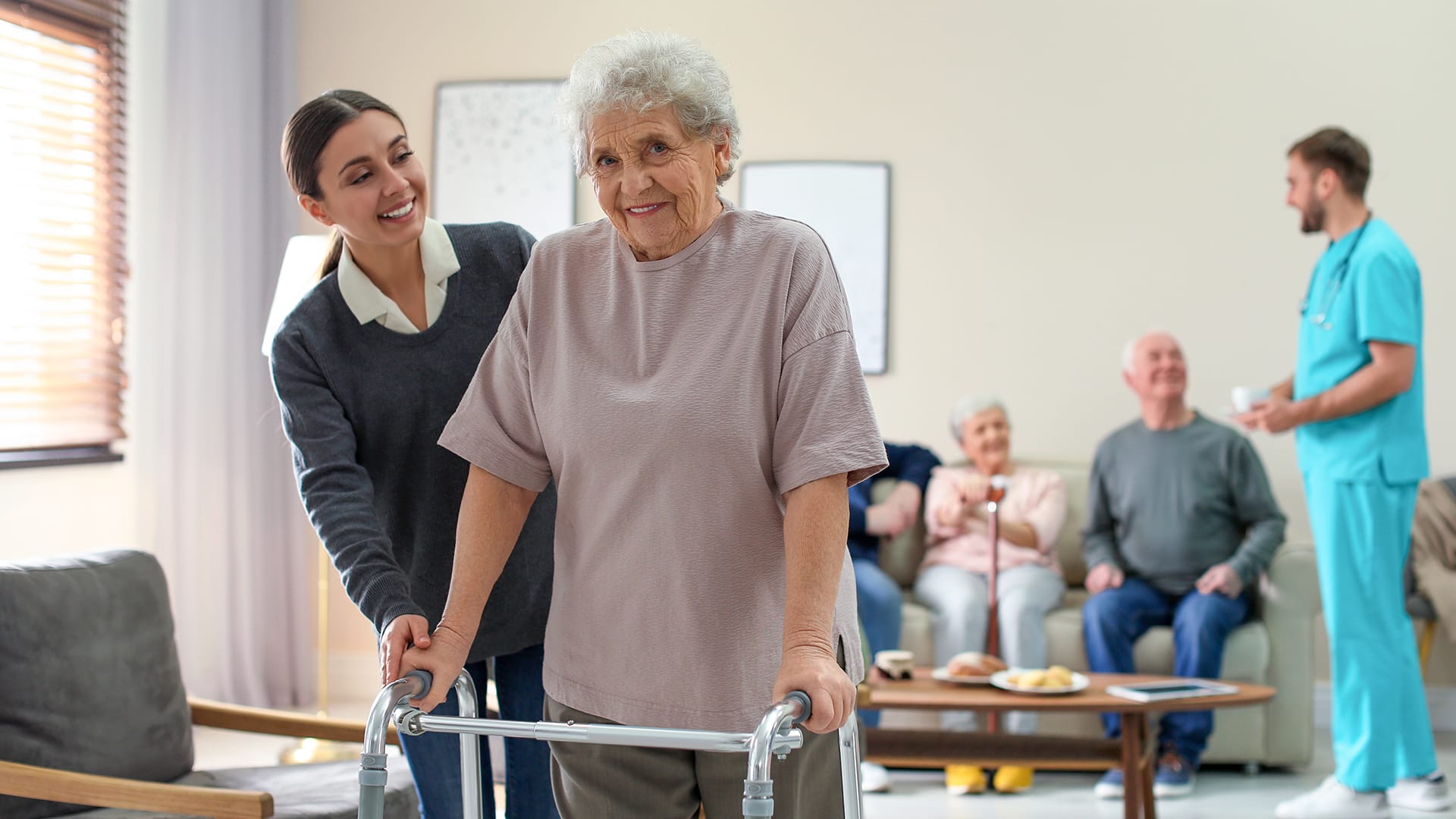
Take the kinder route. A level sidewalk with a rail beats the shortcut across damp grass. And if a cane or walker was prescribed, a quick errand is still an errand.
A near-fall is useful evidence
The hand shot out and caught the counter. Fine, no fall. Yet something happened. Perhaps a toe dragged, the turn was too fast or dizziness arrived after standing. Those little episodes can point toward a problem before an injury forces the issue.
The STEADI screening approach gives clinicians a practical framework. Three familiar checks are the Timed Up and Go, the 30-Second Chair Stand and the four-position balance test. They are supervised assessments, with results used to guide the next clinical decision. Weak legs may be part of the picture. So may vision, blood-pressure changes, medication effects or an assistive device set at the wrong height.
Home still deserves a slow walk-through. Loose rug? Fix it or remove it. Dark path to the bathroom? Add a light. Keep a hand free for the stair rail. A tall laundry basket that hides the steps is a fairly poor walking companion.
Fall prevention Elizabethtown NY also means watching the heart
The first stretch went well. Halfway up the hill, talk stops and steps get untidy. Ease back. Nobody receives a medal for finishing an incline.
Listen closely to what the walker says next. “My chest feels squeezed.” “The pain is in my arm and jaw.” “I can’t catch my breath.” Back, neck or stomach discomfort can enter the story too. So can cold sweat, nausea, lightheadedness or fatigue that seems out of proportion. Possible heart attack. End the walk, call 911 and forget about finding the car keys.
Lost balance has another urgent possibility. Ask the person to smile, lift both arms and speak. Ask whether vision changed suddenly. A lopsided face, drifting arm, garbled sentence or new vision problem calls for 911, even if it begins to pass. Wet leaves do not garble speech.
Medicines can change an ordinary morning
A prescription changes on Tuesday; by Thursday, standing up feels strange. Write that down. Timing like that can help a pharmacist or medical provider make sense of the complaint.
Bring an honest medication list. Include the sleep aid, the allergy tablet and whatever gets taken once in a while. Any of them may contribute to sleepiness, shaky balance or a blood-pressure drop on standing. What not to do: quietly remove a prescribed pill and hope for the best.
Some mornings are simply off. Poor sleep, pain or too little fluid can make yesterday’s dependable legs feel heavy. Cut the outing short. The mailbox will cope.
Practice the parts of walking
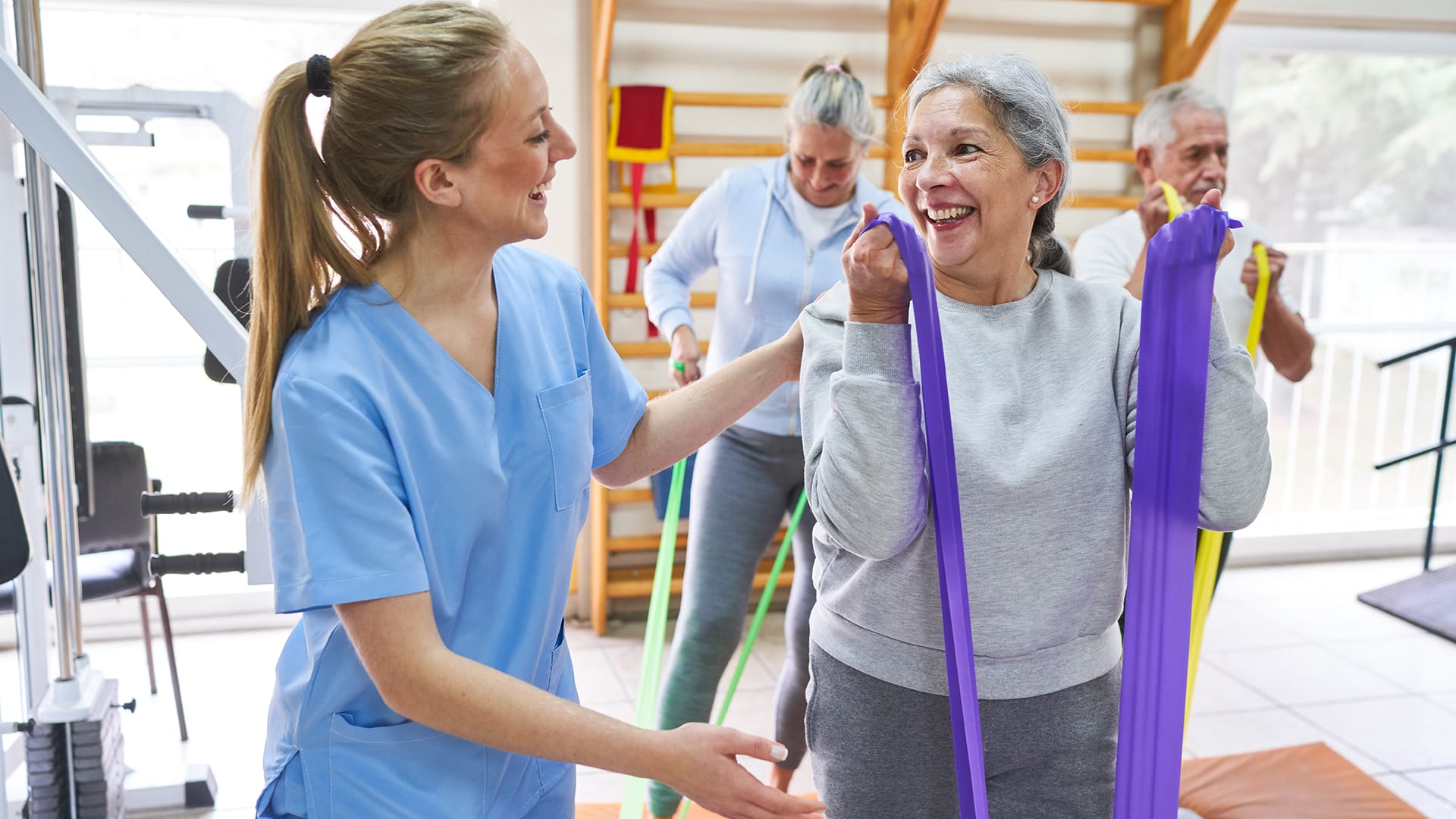
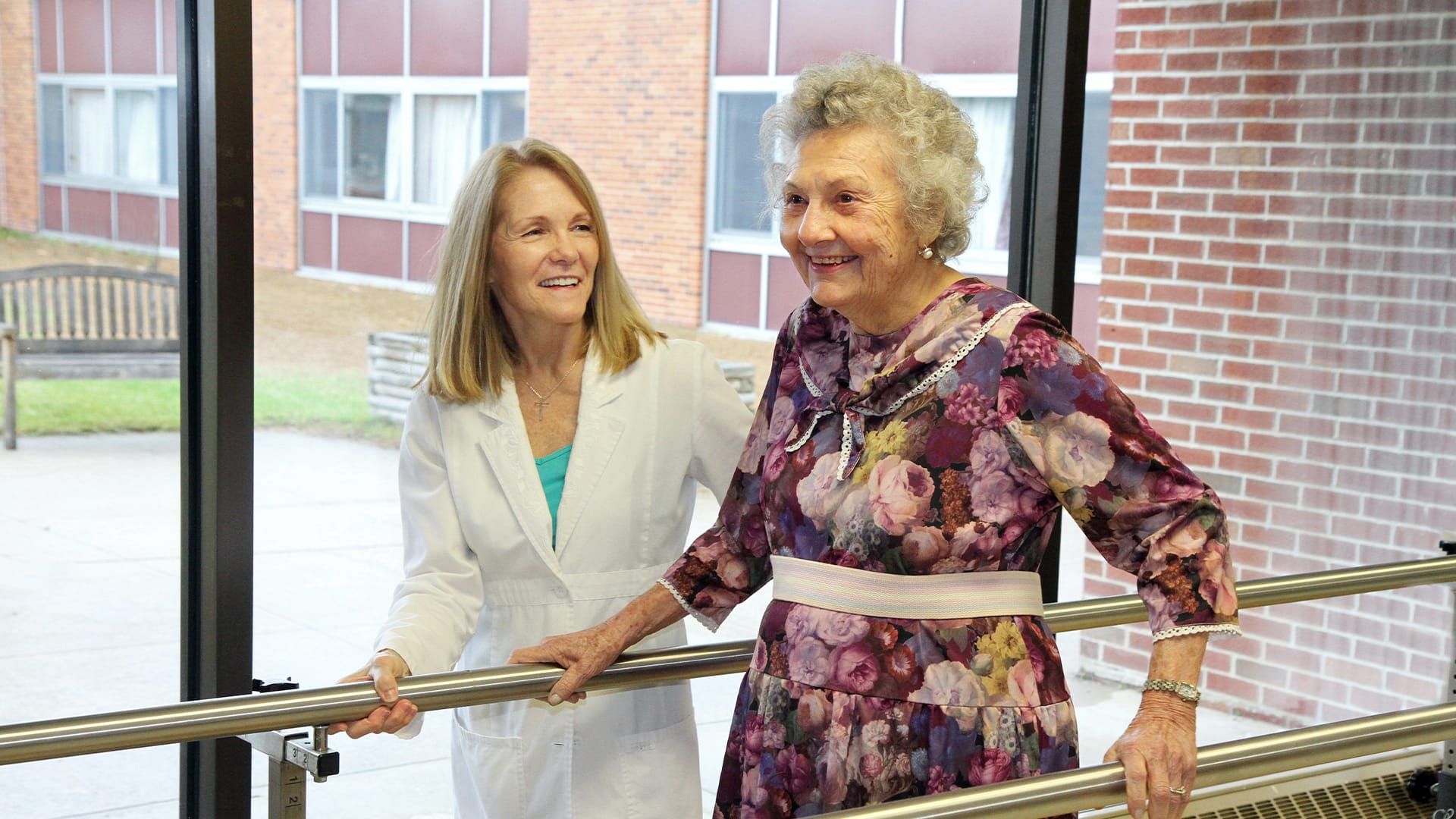
Rehabilitation has a way of taking one ordinary walk and finding six jobs inside it. Rise. Wait for balance. Move the feet cleanly. Turn. Back up. Sit without dropping into the chair. Trouble in any one job gives the therapist something specific to work on.
The obvious stroke problem may be weakness on one side. Less obvious: part of the visual field is missing, a foot feels numb, reactions run slower or a second task causes confusion. Pain makes people improvise too. They shorten one step or hurry through a turn.
Curbs and changing surfaces eventually have to enter the practice. So does distraction; life supplies plenty. When cardiac recovery is involved, pulse, breathing, symptoms and the person’s own sense of effort can help set the workload. Some days permit more. That is useful information, not a verdict.
Keep a plan in your pocket
Carry a phone or alert device where it can be reached after a fall. A phone buried in the bottom of a tote bag does not quite qualify. When walking alone, tell someone the route, especially in a spot where service can fade.
If a fall happens, pause. Check for pain, bleeding, a head strike, new weakness or dizziness before attempting to stand. Call for help if injured or unable to get up safely. The fall should be reported later, along with near-falls. A review may turn up a medication change, blood-pressure variation, footwear problem or new weakness. Sometimes the useful fix is remarkably small: a cane adjustment, a different exercise, a lamp beside the bed.
Fall prevention Elizabethtown NY support at Essex Center
At Essex Center in Elizabethtown, a patient relearning turns after a stroke may also have pain that changes the stride. Another is building enough cardiac endurance for the walk from bedroom to kitchen. Cardiac Care, Stroke Care, Short-Term Rehab and Pain Management can address those overlapping problems. Long-Term Care and Wound Care are available when medical needs complicate movement further. Come September, therapy has a local context: hills, wet leaves, fading daylight and the judgment to stop when a symptom does not feel right.
Care. Support. Positive Outcomes. Centers Health Care.
Centers Health Care provides rehabilitation, skilled nursing and long-term care for people with a wide range of needs. Whether someone is recovering from surgery, managing an illness or simply needs more support than can be provided at home, our staff is there to help.
The goal is not exactly the same for everyone. It may be returning home, becoming stronger, staying independent or simply feeling better and more comfortable from one day to the next. There will be progress, setbacks and difficult days along the way. Our job is to be there through all of it, and to help each patient or resident get as far as he or she can.
Sometimes that progress comes in large steps. More often, it comes in small ones. Either way, every step matters.
Our Steps to Home series follows patients through rehabilitation and the journey from hospital to home: