World Osteoporosis Day 2026: Rebuilding Confidence with Short-Term Rehab After a Fall in Granville, NY
Wet maple leaves on a slate sidewalk. Anybody who has lived through an October in Washington County knows that combination, and knows it doesn’t much care how carefully you walk.
It’s October 20 as I write this, which makes it World Osteoporosis Day. The international campaign this year goes by “Build, Protect and Strengthen Your Bones for Life,” and I’d bet most of the coverage camps out on the first two verbs. Calcium, screening, lifting weights at forty. Fine advice. The third verb gets less airtime, even though it describes where plenty of local families land after a hip or a wrist gives out on some ordinary afternoon.
A few numbers worth sitting with. Worldwide, about one woman in three over age 50 will break a bone because the bone itself has gone thin. For men it’s closer to one in five. Breaking one roughly doubles your odds of breaking another, and that risk runs hottest during the first year or two. New York’s health department has counted around 140 older residents hospitalized for fall injuries on an average day, most of them hurt at home. In the kitchen, usually. Not on the ice.
Week Six Is Scarier Than Week One
A group in the Netherlands followed hip-fracture patients on inpatient rehab wards, and the curve they got runs opposite to what you’d guess. Scores on the Falls Efficacy Scale-International got worse in the second month. Worst around week six, give or take.
Picture it and it stops being weird. Week one, you’re mostly flat on your back. By week six you’re upright at the parallel bars, and your body has started asking questions your nerves don’t want to answer.
Close to two-thirds of older adults in geriatric rehab after a hip fracture admit to this fear. It has teeth. You can watch it happen. Ten reps turn into seven. The patient sits a minute early, then asks for the wheelchair “just for today,” and today keeps getting renewed like a library book. Discharge slides. Another Dutch team took a crack at it with something they called fear ladders. Bottom rung, standing up from a high chair. Top rungs, the nasty stuff: a curb, a three-point turn in a bathroom the size of a phone booth. Rung by rung, with a therapist close enough to grab the gait belt.
A brochure never talked anybody off a curb.
Measurable Goals in Short-Term Rehab Granville NY
“Walk better” is a wish. “Get to the mailbox and back, about 120 feet, with a rolling walker, no rest stops” is something a physical therapist can actually chart.
For short-term rehab patients in Granville, NY, the useful question is which tests are being used and what the scores were. The Timed Up and Go has a patient rise from a chair, walk ten feet, turn around and sit back down; under the CDC’s STEADI framework, twelve seconds or longer flags a higher fall risk. There’s also the 30-second chair stand and a four-stage balance test that goes from feet side by side down to standing on one leg. Get the numbers weekly. Tape them to the fridge if you have to. Progress after a fall is lumpy and a little irritating, and a flat week looks a lot less ominous next to three good ones.
The Walker Argument
Every family has one. Grandpa leans the walker against the wall like it’s somebody else’s coat.
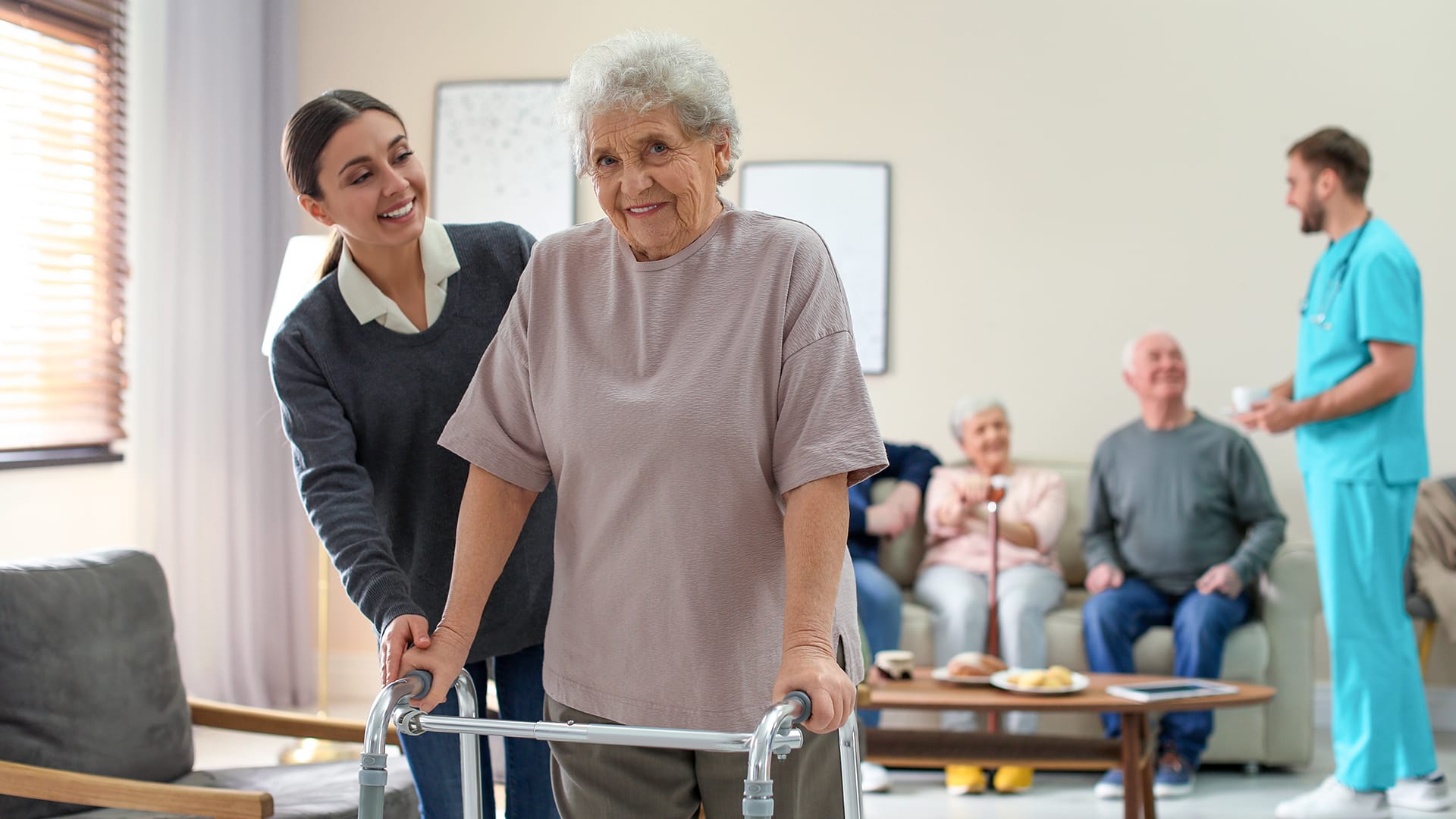
Therapists see this constantly, and the answer is practice, lots of it, while someone trained is standing right there. People graduate in stages. Rolling walker. Then the quad cane, the one with four little feet. Then a plain cane if things go well, held on the good side, opposite the bad leg. Folks get that backwards all the time.
The old PT mnemonic for stairs is “up with the good, down with the bad,” corny enough that people actually remember it. Plenty of older homes around here have a steep flight to the bedroom plus a couple of uneven porch steps, so rehearsing on a therapy staircase before facing your own is pretty much mandatory.
Say the Number Out Loud
A certain generation would rather chew glass than complain. “I don’t want to be a bother” is practically a creed. Trouble is, untreated pain shortens therapy sessions, and short sessions mean slower progress.
The fix is boring. Pick a number, zero to ten, and say it to the nurse before you head down to the gym. Meds can be timed around a session, but only if somebody hears about the problem an hour ahead. Anything new gets its own speech. Groin. Mid-back. Those two especially. Only about a third of spinal fractures ever come to clinical attention, and a fall can leave one behind without much fanfare.
Then there’s the bone question. Here’s a statistic that annoyed me the first time I read it: as many as four in five people whose fragile bones snap get no workup at all for the osteoporosis that did it. So before anybody signs discharge papers, ask about a DXA scan. Ask who’s following up on treatment. Ask twice if you have to. The fracture was a symptom. Somebody should look at the disease.
Getting Ready to Leave Short-Term Rehab Granville NY
Occupational therapists will want to know about the house, and they mean the boring details. How many steps to the front door. Where the light switch is relative to the bed. Whether getting clean means swinging a leg over the lip of an old clawfoot tub.
Grab bars go in. So does a tub bench, and probably a raised toilet seat, which nobody loves and everybody ends up using. That hallway stays lit at night now, no arguments. Throw rugs go. Yes, even the hall runner that’s been there since the Carter administration. Move the coffee mugs and the cereal down to somewhere between waist and shoulder height so nobody reaches for a step stool at 6 a.m.
And November is coming. Frost on the porch steps, dark by five. Nobody has fully solved that one.
Granville Center on Madison Street
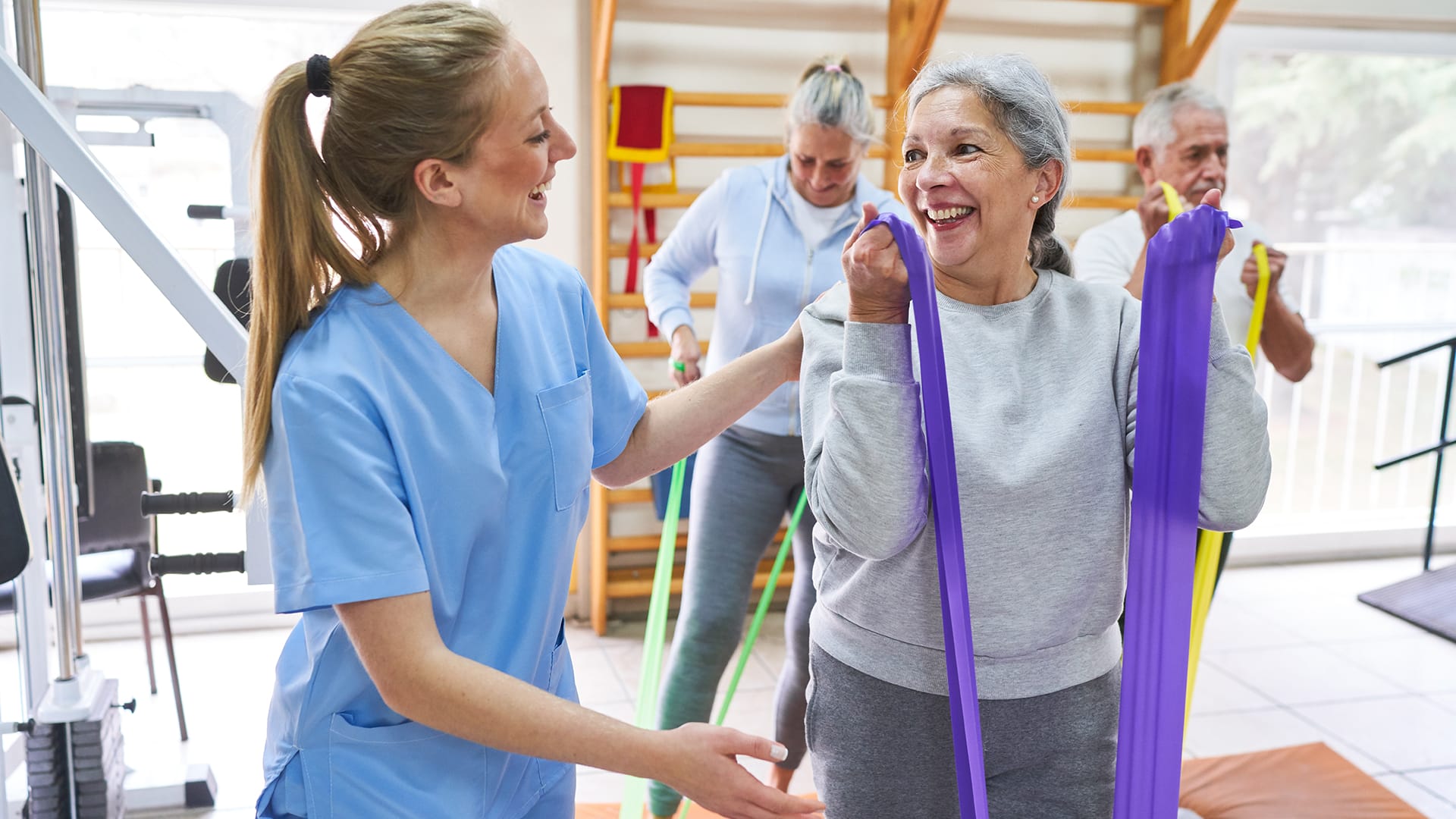
Granville Center at 17 Madison Street runs its RehabStrong program around the exact problems above. The therapy gym has a Safeguard Step-Up Staircase for stair rehearsal, Pro-Balance parallel bars, a Walk-Tech treadmill with a progress monitor, a Sci-Fit bike and Jintronix motion-sensor biofeedback that patients can use starting on day one. Therapy runs up to seven days a week, and same-day admission is available on weekends too. Pain Management works a few doors down from the gym, so a cranky hip at 10 a.m. doesn’t automatically cost somebody the morning session. Cardiac, stroke and wound care are on site too. Falls drag more baggage along with them than most people expect.
Care. Support. Positive Outcomes. Centers Health Care.
Centers Health Care provides rehabilitation, skilled nursing and long-term care for people with a wide range of needs. Whether someone is recovering from surgery, managing an illness or simply needs more support than can be provided at home, our staff is there to help.
The goal is not exactly the same for everyone. It may be returning home, becoming stronger, staying independent or simply feeling better and more comfortable from one day to the next. There will be progress, setbacks and difficult days along the way. Our job is to be there through all of it, and to help each patient or resident get as far as he or she can.
Sometimes that progress comes in large steps. More often, it comes in small ones. Either way, every step matters.
Our Steps to Home series follows patients through rehabilitation and the journey from hospital to home: