Getting Back to a Home Routine After Hospitalization: A July Rehab Guide

Nobody tells you about the stairs. You spend eleven days in a hospital bed, IV pole rattling next to you every time you shift, and the thing that finally rattles you isn’t the diagnosis — it’s realizing you haven’t climbed a flight of stairs in almost two weeks and you’re not sure your legs remember how.
Medically stable and able to function again aren’t the same finish line, not even close, and Ellicott’s team treats that gap as the whole job. July complicates it. Heat indexes past 90 make joints seize up worse than they would in March, swelling lingers, and anyone coming off a cardiac event or lung complication has to watch air quality alerts like weather forecasts for a hurricane. Nobody hands a January discharge plan to a July patient and expects it to hold. The therapy gets rewritten around the season, not the calendar date on the paperwork.
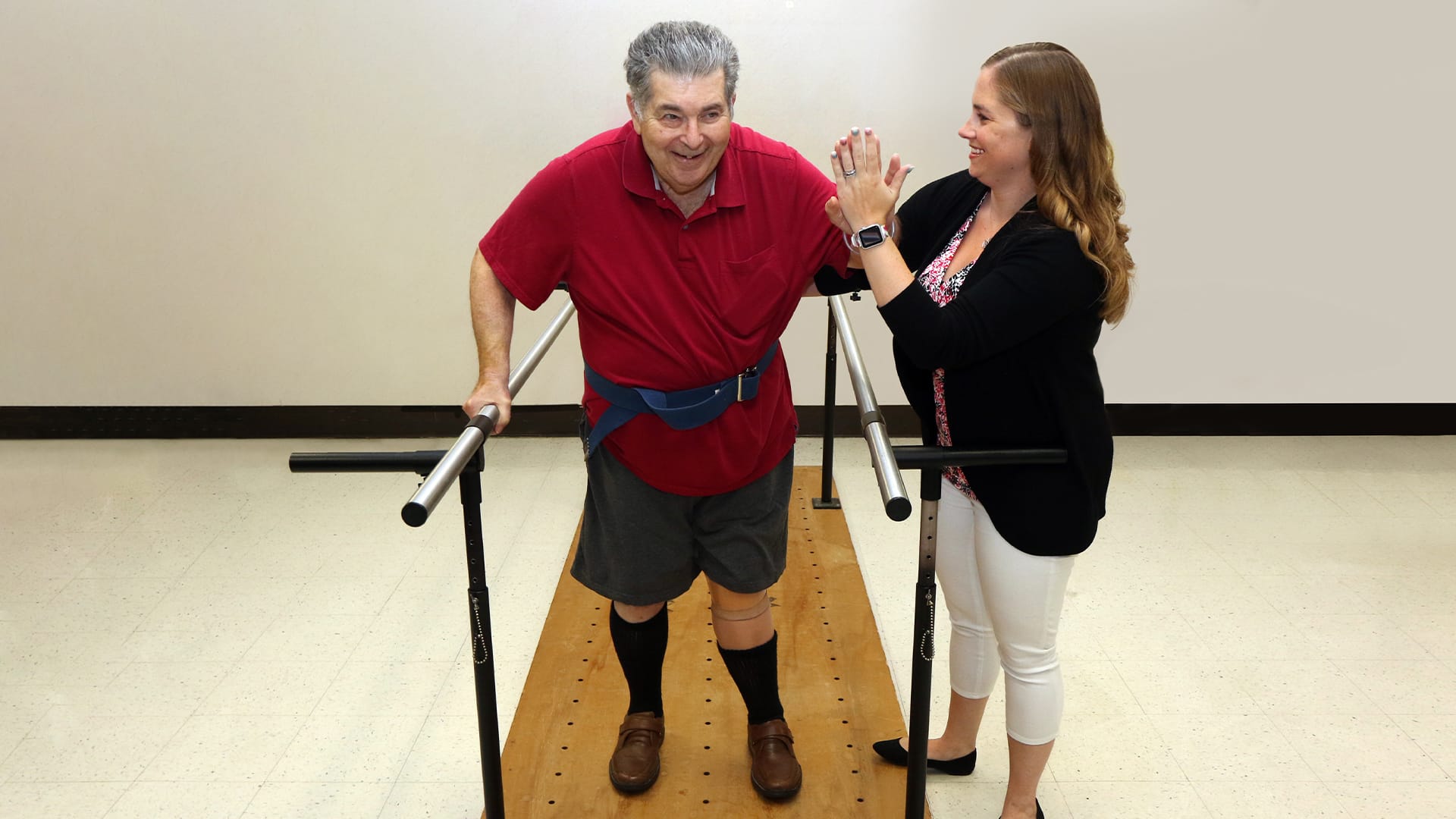
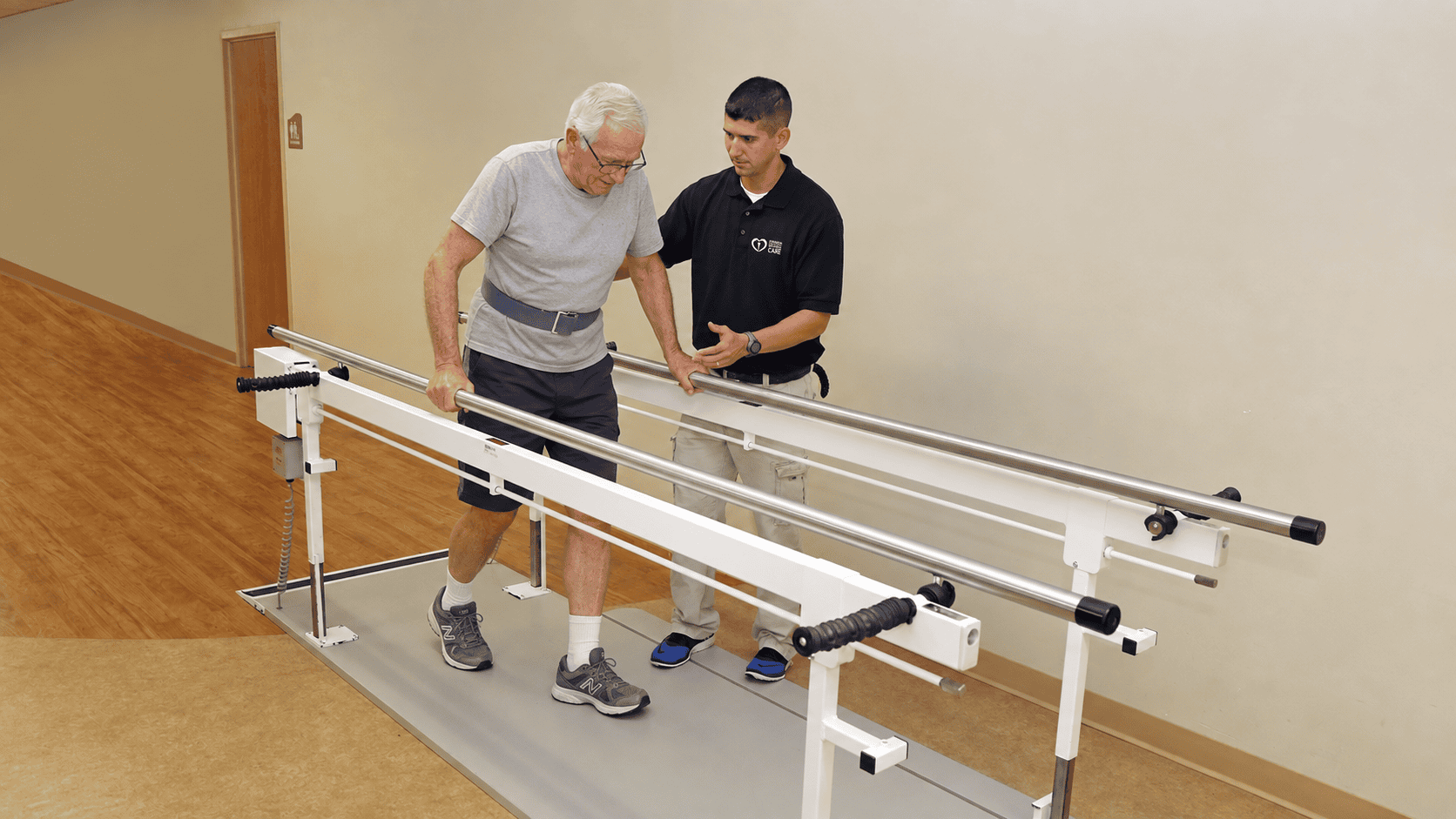
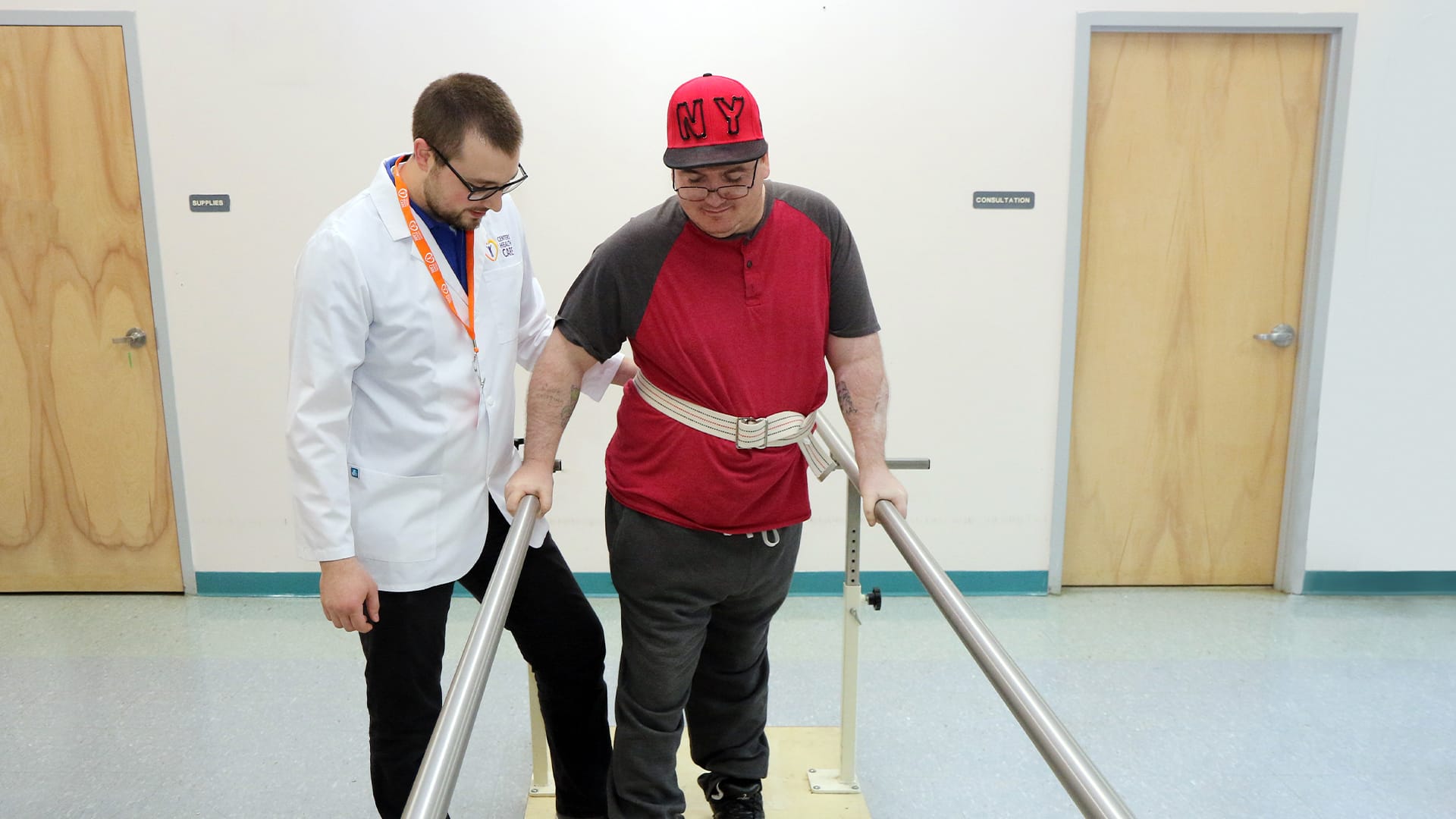
Three days. That’s roughly the window after leaving acute care where the trajectory for weeks out gets set, and most people have no idea it’s happening. Muscle wastes fast once mobility drops, faster in a seventy-year-old than a forty-year-old healing from the identical procedure. Sit in a chair too long after a hip replacement and you’re not resting, you’re losing ground someone will have to fight to get back later. Skip rehab after hospitalization or treat it as optional paperwork and what you’re actually skipping is the mechanism that gets a person back into their own kitchen, down their own driveway, off a walker and onto their own two feet.
What Rehab After Hospitalization Actually Looks Like Week to Week
Physical therapy, occupational therapy, speech therapy when swallowing or cognition is involved — these aren’t separate tracks running in parallel. They’re supposed to braid together. A stroke patient relearning to grip a fork isn’t just doing OT; the fine motor work often maps directly onto the gross motor gains happening in PT sessions the same afternoon. Good programs coordinate this daily, not weekly.
Therapy hours run one to two a day, split across disciplines, and the split moves depending on how someone’s body shows up that morning — there’s no fixed script. Cardiac patients get telemetry strapped on during early mobility work, heart rate and oxygen tracked live while therapists decide, session by session, how hard to push. Push too far, setback. Hold back too much, the deconditioning wins anyway. Hip and knee replacements follow weight-bearing orders straight from the surgeon, partial to full, and blowing past that timeline early or late throws the whole recovery off schedule. Wound care sits right alongside this for diabetic patients especially, where a slow-healing incision needs offloaded pressure, the right dressing, and someone watching the healing curve closely enough to catch infection before it turns into a trip back to the hospital.
Stroke Recovery, Pain Management, and the Parts Nobody Warns You About
Stroke recovery runs on its own clock, nothing like a hip replacement’s steady countdown. Three to six months out, the brain is still rewiring itself faster than it ever will again, which means the therapy happening this week outweighs the identical session six months down the line. Speech-language pathologists don’t treat aphasia and dysphagia as separate problems, because the same stroke that garbled someone’s words often broke their swallow reflex too, and both trace back to the same damaged tissue. Sequencing, attention, executive function — cognitive work gets stitched in whenever the stroke touched those systems, since motor recovery alone leaves half the job undone.
Pain management threads through every track. Chronic pain that predates the hospitalization doesn’t resolve because someone had surgery; it often gets louder. Multimodal approaches — non-opioid regimens where appropriate, targeted physical modalities, sometimes nerve blocks coordinated with a pain specialist — matter more in July, when heat can amplify inflammatory pain in joints and surgical sites alike.
Long-term care enters the conversation for patients whose recovery trajectory plateaus below full independence. Not a failure state. A different set of goals, still built around function and dignity rather than a return-home date that isn’t realistic yet.
Ellicott Center: Where This Actually Happens
Ellicott Center runs its rehab after hospitalization programs around exactly this kind of coordination — Short-Term Rehab paired with Cardiac Care, Stroke Care, Orthopedic Care, Pain Management, and Wound Care under one roof, so a patient with overlapping needs isn’t shuttled between disconnected providers. Long-Term Care is available for those whose path runs longer than a few weeks. Therapy teams adjust for the season, watching hydration and heat tolerance closely during July sessions, and building discharge plans around what a person’s actual home — their stairs, their bathroom, their block — will demand once they’re back in it.
Learn more about short-term rehab and the full range of services at Ellicott Center.
Care. Support. Positive Outcomes. Centers Health Care.
Centers Health Care provides rehabilitation, skilled nursing and long-term care for people with a wide range of needs. Whether someone is recovering from surgery, managing an illness or simply needs more support than can be provided at home, our staff is there to help.
The goal is not exactly the same for everyone. It may be returning home, becoming stronger, staying independent or simply feeling better and more comfortable from one day to the next. There will be progress, setbacks and difficult days along the way. Our job is to be there through all of it, and to help each patient or resident get as far as he or she can.
Sometimes that progress comes in large steps. More often, it comes in small ones. Either way, every step matters.
Our Steps to Home series follows patients through rehabilitation and the journey from hospital to home: