National Rehabilitation Awareness Week: Coordinating Ventilator and Wound Care Bronx Services at Triboro Center

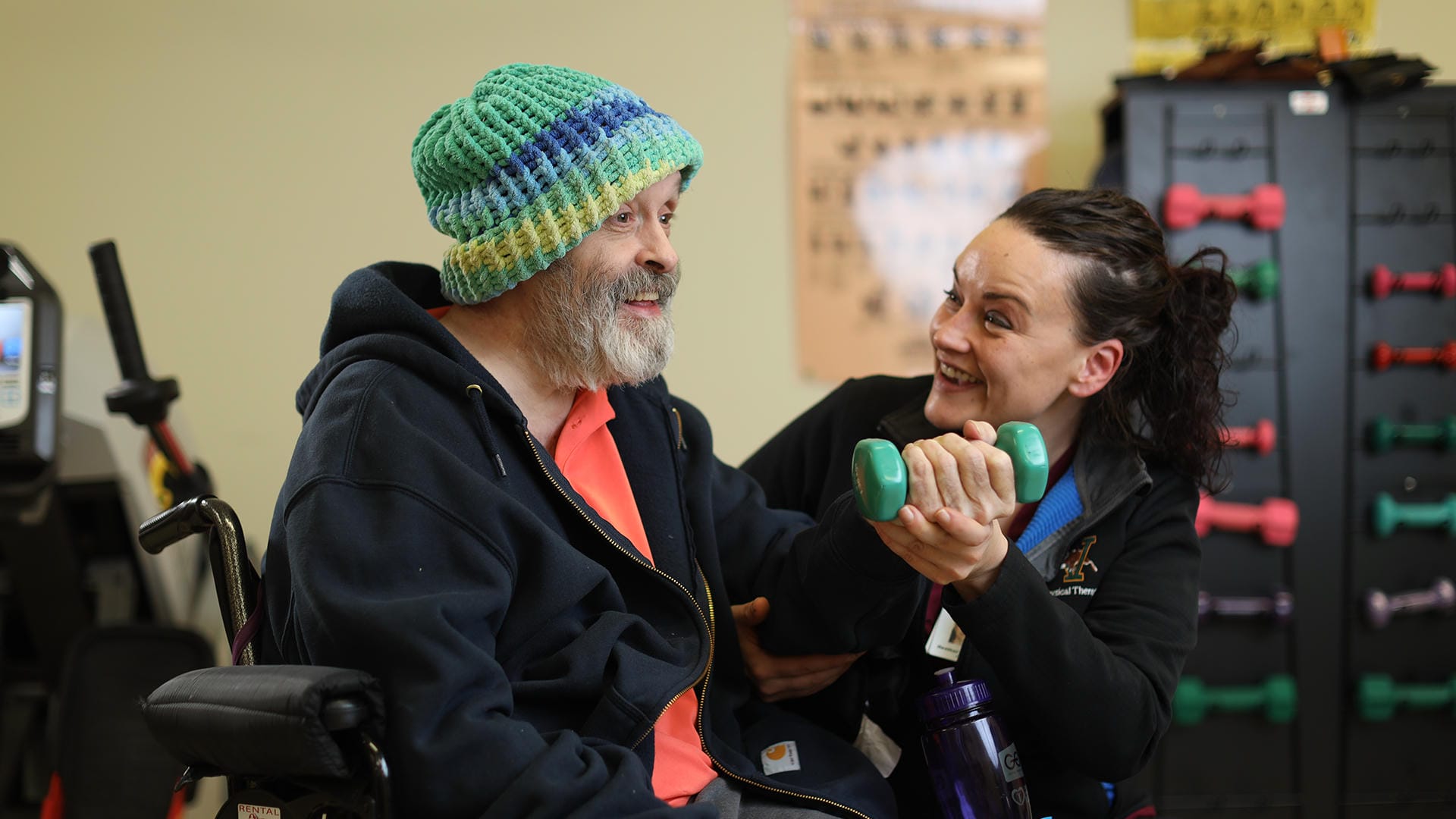
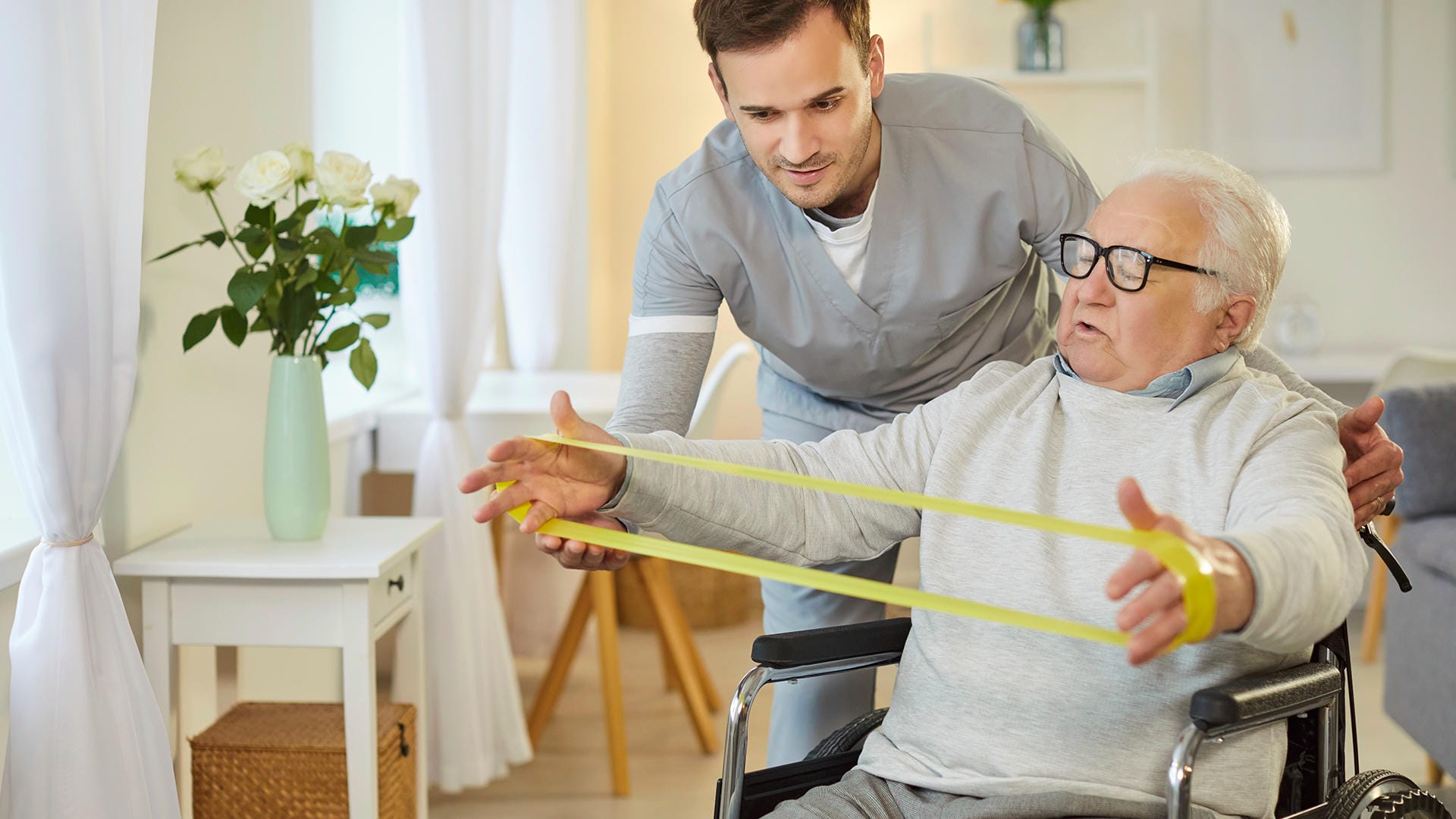
A therapy session can look modest from the hallway: a resident sits at the edge of the bed, steadies both feet and stands with help. Inside the room, a lot more is happening. The ventilator circuit has to stay secure. Oxygen saturation, breathing effort and heart rate need watching. A healing wound cannot take new pressure or friction. Pain must be controlled well enough for movement, without leaving the resident too drowsy to participate.
That is medically complex rehabilitation in miniature. During National Rehabilitation Awareness Week, observed September 14–20 in 2026, the usual language of goals and gains deserves a closer look. For a person receiving respiratory support while a wound heals, progress is built through hundreds of coordinated decisions.
Why Ventilator and Wound Care Teams Share One Care Plan
Breathing support changes the rehab day before the first exercise begins. Clinicians may review ventilator settings, oxygen needs, secretion burden and tolerance for time away from bed. When ventilator liberation is a reasonable goal, a protocol can help identify readiness and track the response to spontaneous breathing trials. A rough morning may call for a shorter session. A stable afternoon may open the door to a few supported steps.
Skin has its own clock. Pressure over the sacrum, heels or another bony area can interfere with blood flow. Moisture, friction and shear add damage. The Braden Scale gives clinicians a common framework across six areas: sensory perception, moisture, activity, mobility, nutrition, and friction and shear. The bedside picture still has the final word.
This is where ventilator and wound care coordination becomes visible. Respiratory positioning may call for an elevated head of bed. Wound prevention may require offloading and frequent weight shifts. Therapy wants movement. Nursing has medication timing, dressings and daily care to manage. The answer comes from planning the sequence, checking the resident’s response and adjusting in the moment.
A Wound Can Change the Way Movement Happens
Two inches can spoil a good plan. A heel lands against the mattress after it had been carefully floated; a resident slides down in bed; tubing pulls when a transfer begins. Skin damage feeds on pressure, moisture and shear, so the team pays attention to the mechanics of each move. A lift, draw sheet or pressure-redistributing cushion may be part of therapy equipment that day.
The old “turn every two hours” line is handy, perhaps too handy. Repositioning schedules should reflect the wound’s location, the support surface, tissue tolerance, activity level, medical stability and comfort. Staff also record the wound’s dimensions, drainage, odor, tissue and surrounding skin. Pressure injuries are staged by depth and tissue damage. Comparing those details over time tells more than a quick glance.
Pain can upend the schedule. Therapy soon after a difficult dressing change may go nowhere. Give medication too late and movement hurts; give a sedating medicine at the wrong moment and alertness or breathing effort may suffer. Sometimes the most useful clinical decision is a change to the clock.
Ventilator and Wound Care Rehabilitation in the Bronx Runs on Small Signals
Therapy may end before a leg muscle tires. Breathing ended it. Perhaps the oxygen number fell; perhaps the resident’s shoulders began lifting with each breath. A tense expression and slow recovery add their own evidence. The team calls the stop together.
Getting started took forethought anyway. Someone left enough play in the tubing, someone protected the airway connection, and someone stood ready at the resident’s weaker side. Today brought four minutes of sitting. Tuesday might bring the chair. Fair enough.
The humble toothbrush also turns up in pneumonia-prevention guidance. For a person who needs full help, staff first choose a position that lowers aspiration risk. They inspect the mouth, use suction when needed, and spend two minutes brushing the teeth and tongue. Fancy? Hardly. Respiratory care contains plenty of unglamorous jobs.
Nutrition, Hydration and the Work of Healing
An untouched lunch tray is clinical information. Wound healing and the work of breathing both draw on the body’s reserves, while fatigue, inflammation, infection, swallowing trouble or poor appetite can limit intake. What arrived from the kitchen tells only half the story.
The dietitian may look at recent weight patterns, hydration, actual intake and the wound, then discuss the findings with nursing and the medical team. Protein supports tissue repair. A blanket instruction to add more of it misses diagnoses, tolerance and the resident’s goals. When swallowing is in question, speech-language pathology can assess safety and recommend an appropriate approach.
Families often meet these details one at a time. Why is that heel suspended? What does this alarm mean? When should I step back and let staff respond? Practice with safe assistance may come later, depending on the discharge plan. Machines have a way of making capable people feel new at the job.
Measuring Progress Without Pretending It Is Linear
Tuesday’s chart may look better than Monday’s and worse than Wednesday’s. Poor sleep can shorten a breathing trial. An infection can stall the wound. The resident who walked yesterday may only manage the chair today. Recovery refuses to behave like a graph in a brochure.
The trend still needs numbers: breathing-trial minutes, oxygen response during activity, wound measurements, pain ratings, food and fluid intake, transfer assistance, walking distance. The chosen measures should fit the person. A safe bed-to-chair transfer can have more immediate value than an isolated strength score.
Care-plan meetings put the observations in one place. Nursing saw the overnight change. Therapy noticed weaker balance. Respiratory staff heard a different cough. The dietitian found three days of poor intake. One detail can rewrite the afternoon.
Ventilator and Wound Care Services at Triboro Center in the Bronx
At Triboro Center on Teller Avenue, the service list reflects the kinds of overlap seen in a difficult recovery: Ventilator Care, Wound Care, Stroke Care, Short-Term Rehab, Pain Management, Hospice Care and Long-Term Care. A resident’s positioning can affect breathing and skin. Pain may decide whether therapy is possible that morning. Nutrition shows up later in the wound record. The disciplines keep crossing paths, as they should.
Care. Support. Positive Outcomes. Centers Health Care.
A resident may arrive after a stroke or surgery. Another is living with serious illness, depending on a ventilator, healing a wound or needing more daily help than home can provide. Triboro Center brings rehabilitation, skilled nursing, respiratory support, wound care, pain management and long-term care to those very different situations.
Going home may be the aim. For someone else, it is greater strength, a protected wound, continued independence or an easier day. Our staff stays with residents through gains, setbacks and the days when very little seems to move.
Then a transfer needs less help. Breathing remains steady for another minute. A wound measurement finally shifts. Small steps have their own weight.
Our Steps to Home series follows patients through rehabilitation and the journey from hospital to home: