
The 2026 Adirondack Balloon Festival: Cardiac-Recovery Mobility Tips From Warren Center in Queensbury | Cardiac Rehab Queensbury NY
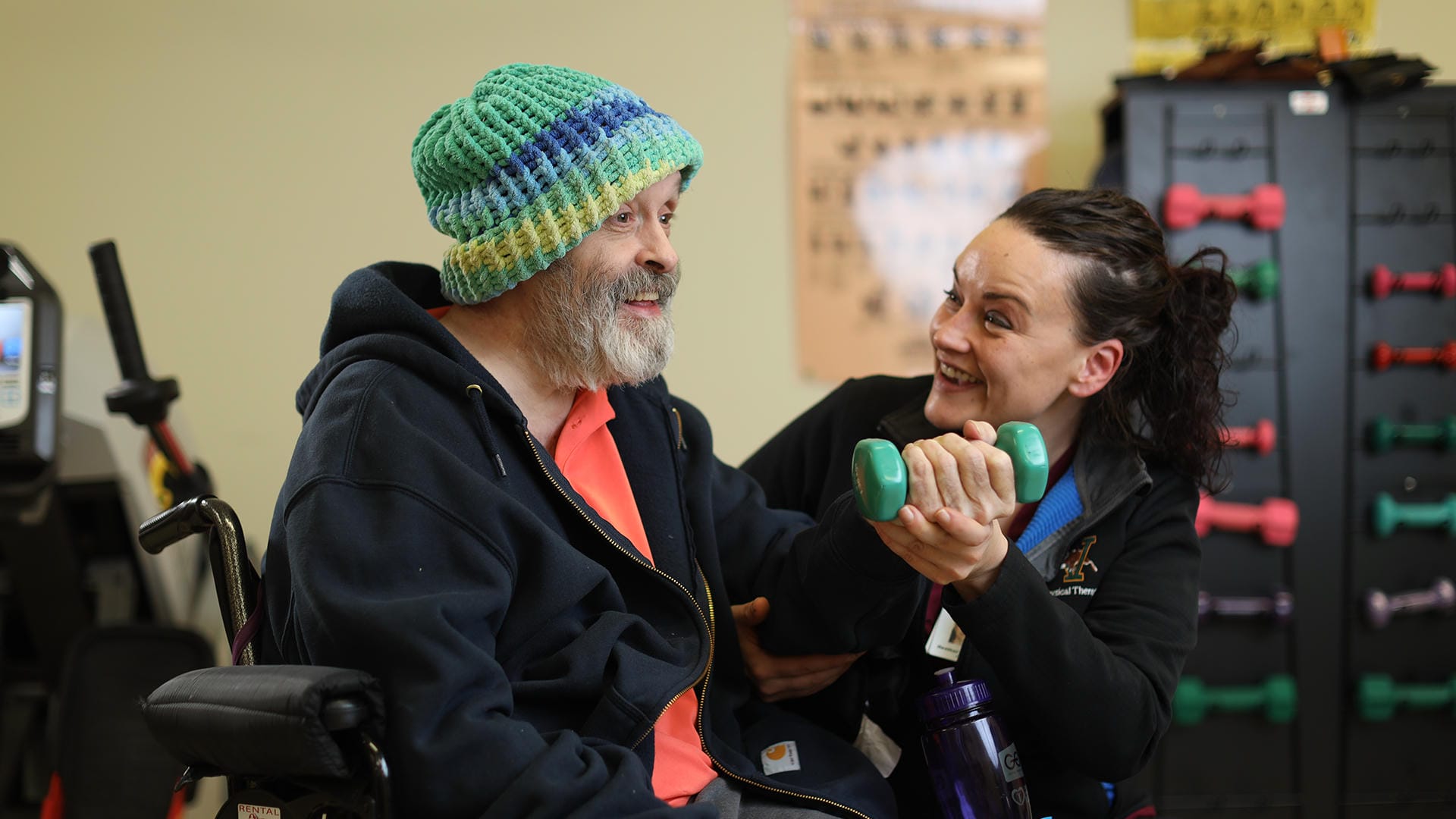
At a balloon festival, everyone looks up. During cardiac recovery, look down first. Grass, distance, darkness, and the eventual walk back deserve a glance before the sky does.
Here is the local calendar in plain English. Thursday, September 17, belongs to Crandall Park. Friday through Sunday move to the airport in Queensbury; the weekend sessions open at 5 a.m. A visitor could already be tired from parking and waiting when the first burner fires. Funny how the part billed as “watching” can involve so much walking.
Before Leaving: Cardiac Rehab Queensbury NY Planning
Plan backward from the return to the car. Covering a distance once is one question; covering it again after an hour outdoors is the useful one. A dry sidewalk trial does not quite imitate a field, either.
The clinician’s directions remain the guardrails. Perhaps the exercise prescription uses the Borg perceived-exertion scale. Perhaps it gives a pulse range. Try speaking a full sentence while moving, too. Breaking it up for breath suggests the pace is too ambitious. One wrinkle: beta blockers can mute the pulse response, leaving a fitness watch with only part of the answer.
Bring whatever is normally used for safe mobility. The companion gets the meeting point and rest schedule in advance, plus a clear explanation of when the day is over.
Parking Distance Is Part of the Cardiac Workload
Festival traffic is busiest from 5–9 a.m. and 3–8 p.m. Designated accessible parking is available, with those vehicles directed through the Hicks Road entrance. Still, the assigned space, crowd, and field conditions determine the final walk.
Check drop-off arrangements against that day’s traffic controls. If the route exceeds the patient’s practiced distance, use the mobility device already recommended. And let a companion carry chairs, blankets, drinks, and the cooler. A folding chair adds weight, changes balance, and takes up a hand that may be needed for a cane.
Cold Air, Warm Layers and a Five-Minute Start
Before sunrise, Queensbury presents a coat problem. The forecasted high belongs to another part of the day. Down on the airport grass, shoes get damp and a mild breeze finds every thin spot in a jacket.
Suppose yesterday’s indoor walk went beautifully. Cold may still change today’s effort: vessels contract, cardiac work rises, and certain people with coronary disease feel angina sooner. I would plan clothing in removable pieces. Start light, add a warm middle, and keep wind or drizzle outside with a shell. Dry socks ride in the car; worn-in shoes with good tread go on the feet.
That first stroll away from the car should feel almost comically easy for five to ten minutes. Warmth comes gradually.
Grass Changes the Walk
Ruts, soft ground, balloon equipment, blankets, and people looking upward create an odd walking environment. Take shorter steps, scan ahead, leave room around balloon lines, and pause before turning.
Before festival weekend, try a safe patch of grass with the mobility aid and companion who will attend. Note when effort rises above the prescribed range, then build the viewing plan around that observation. Rest before exhaustion. A five-minute sit every 15 or 20 minutes may feel overly cautious at breakfast; later, maybe not. Breathing and effort should settle before walking resumes.
Medication Timing Without Improvising
Put the car keys next to the pillbox. At 4:30 a.m., memory is an unreliable system.
Any awkward timing gets sorted out before festival morning with the prescriber or pharmacist. A launch schedule is no license to move a blood-pressure pill, omit a water pill, or double up later. Instructions for eating, drinking, and sodium can be equally individual. Follow the ones actually given to the patient.
If rescue medicine was prescribed, keep it in the labeled container and close enough to reach without help. Tell the companion where it is. The glove compartment, half a field away, is useless.
Know the Stop Signs
Write the emergency rule before leaving: call 911 for chest discomfort that is new, will not pass, or is worse than the patient’s familiar pattern. Driving is off the table. So is the long trudge toward the parking rows.
People use peculiar language for heart symptoms. A band around the chest. A burning patch. Pressure, fullness, or a heavy object sitting there. The sensation might appear somewhere else in the upper body or even the stomach. Watch the rest of the person, too. Sudden sweat or nausea, a faint or muddled look, strange exhaustion, a racing uneven pulse, breathlessness far beyond the walking pace.
Conversation offers a useful clue. When easy speech turns into three words followed by a breath, find a safe seat and use the care team’s symptom plan. The sky can wait.
Weather Flexibility Is Part of Cardiac Rehab Queensbury NY
Ballooning depends on a narrow weather window. Festival guidance lists ideal winds of 3–5 mph and no rain; once winds reach roughly 8–10 mph, flight becomes unlikely. A pilots’ briefing shortly before launch may produce a hold and an unexpectedly long wait.
Check official updates before leaving and again from the parking area. Set a departure time that does not depend on seeing a launch. Soaked grass, a rising wind chill, or a tired patient is enough reason to head home. The festival recommends trying more than one launch because weather interferes often.
Cardiac Care and Short-Term Rehab at Warren Center
Community goals get wonderfully specific. One person wants to manage a grass field with a walker. Another hopes to sit through a family outing and still have enough energy for the trip back. Those ambitions give rehabilitation something concrete to work with.
Warren Center is on Gurney Lane in Queensbury, in the community where most festival events take place. Cardiac Care and Short-Term Rehab are offered there, along with Long-Term Care, Pain Management, Stroke Care, and Wound Care.
Care. Support. Positive Outcomes. Centers Health Care.
In one room at Warren Center, the work may be post-surgical rehabilitation. Down the hall it could concern a stroke, a wound, pain, or a cardiac condition. Centers Health Care supports those short-term goals as well as skilled nursing and long-term care.
“Better” refuses to mean the same thing for everybody. It might be enough strength to return home. It could mean holding onto independence, finding greater comfort, or getting through Tuesday with a little more ease than Monday. Staff meet patients and residents inside those particular goals.
The impressive breakthrough makes the photograph. Daily care is usually quieter: another transfer, another few steps, another try after a rough morning.
Care. Support. Positive Outcomes. Centers Health Care.
Steps to Home begins with the life a patient wants to resume, then works backward into practical rehabilitation goals. For one person at Warren Center, that may mean rising from a chair without losing balance; for another, crossing grass with a walker, pacing a community outing, or recognizing when the body is asking for rest. The trip home is built in repetitions like these, one useful task at a time.
Our Steps to Home series follows patients through rehabilitation and the journey from hospital to home: