When Rehab Goals Change: Understanding Supportive Care Options for Families

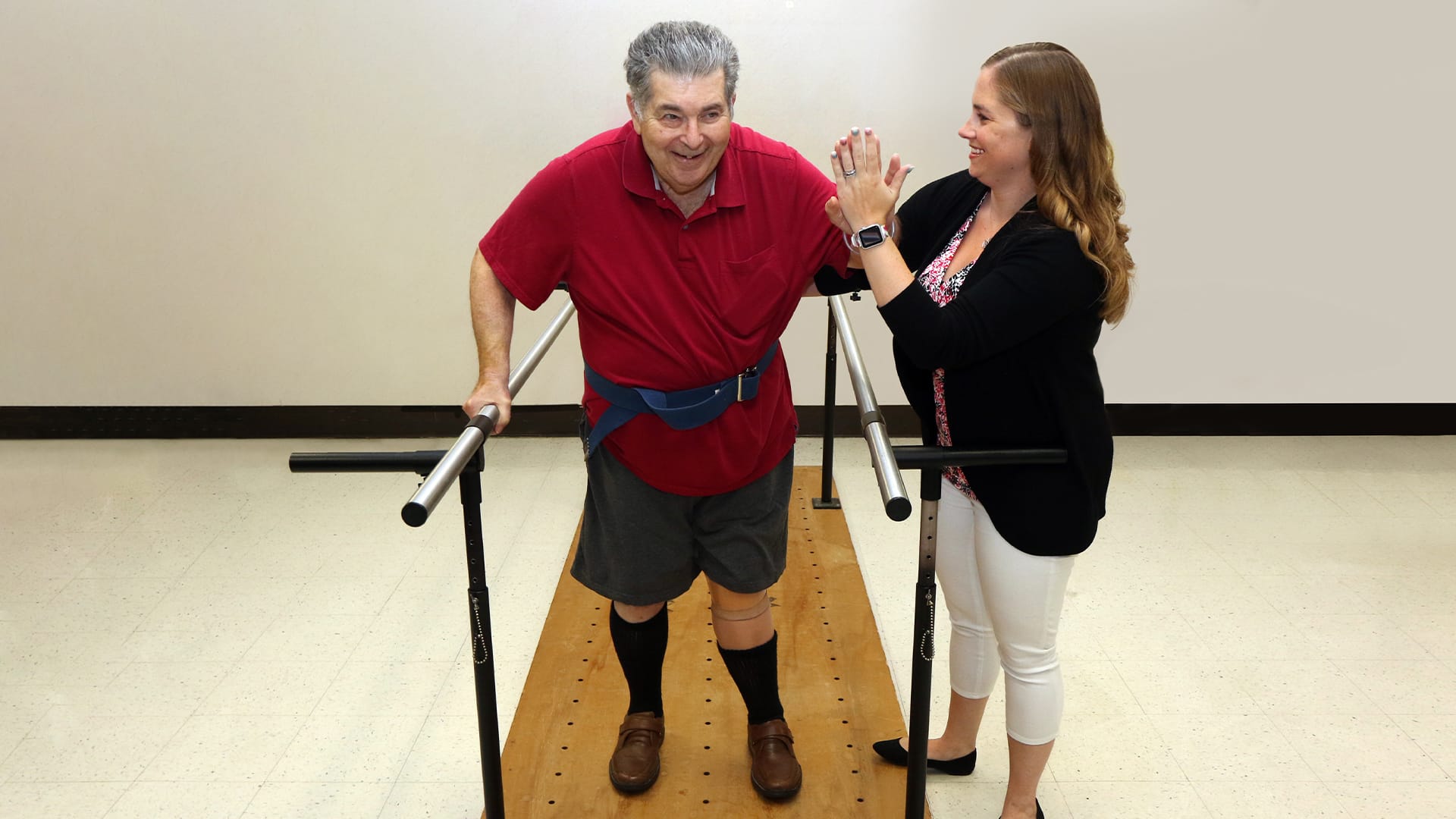
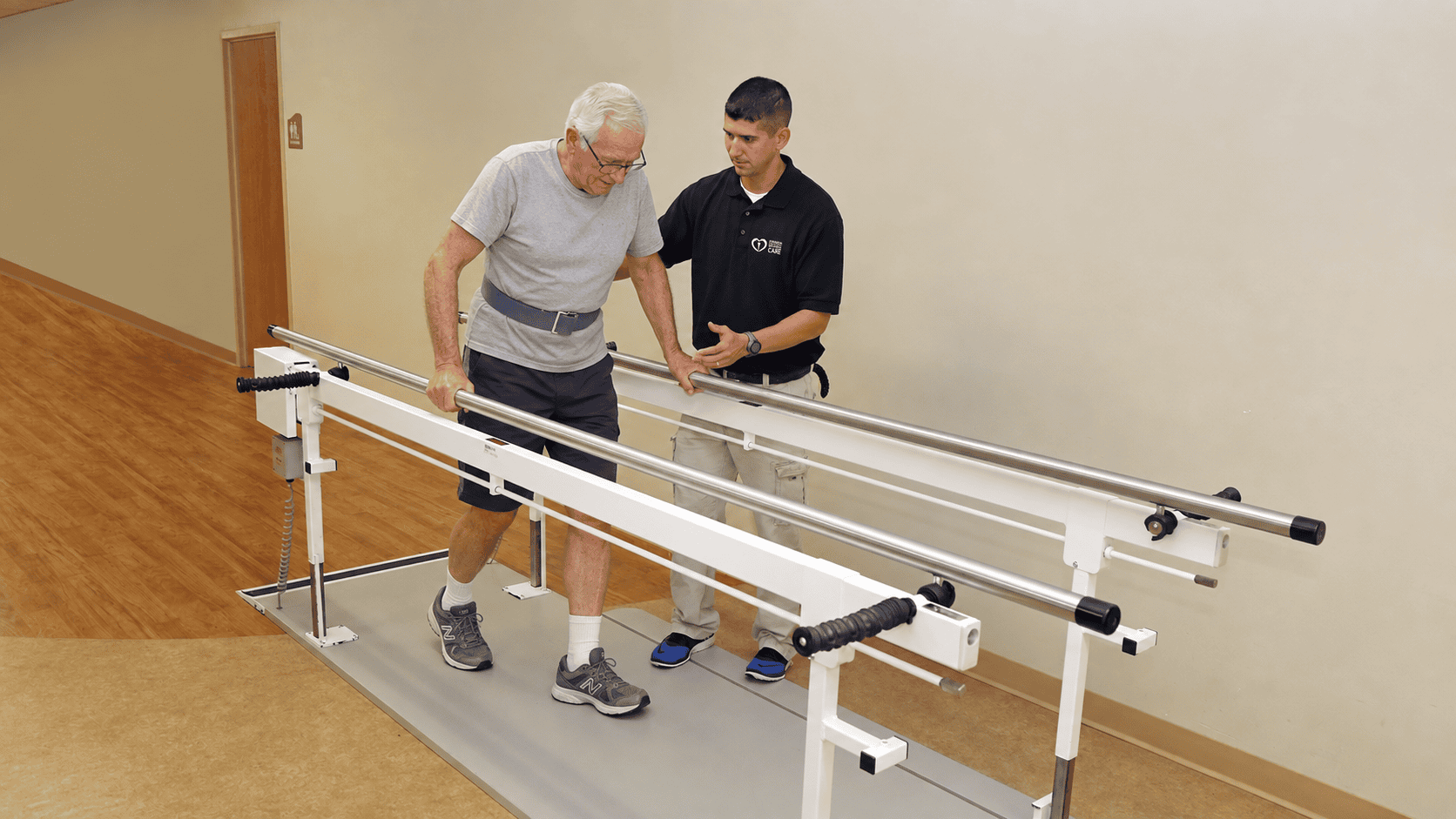
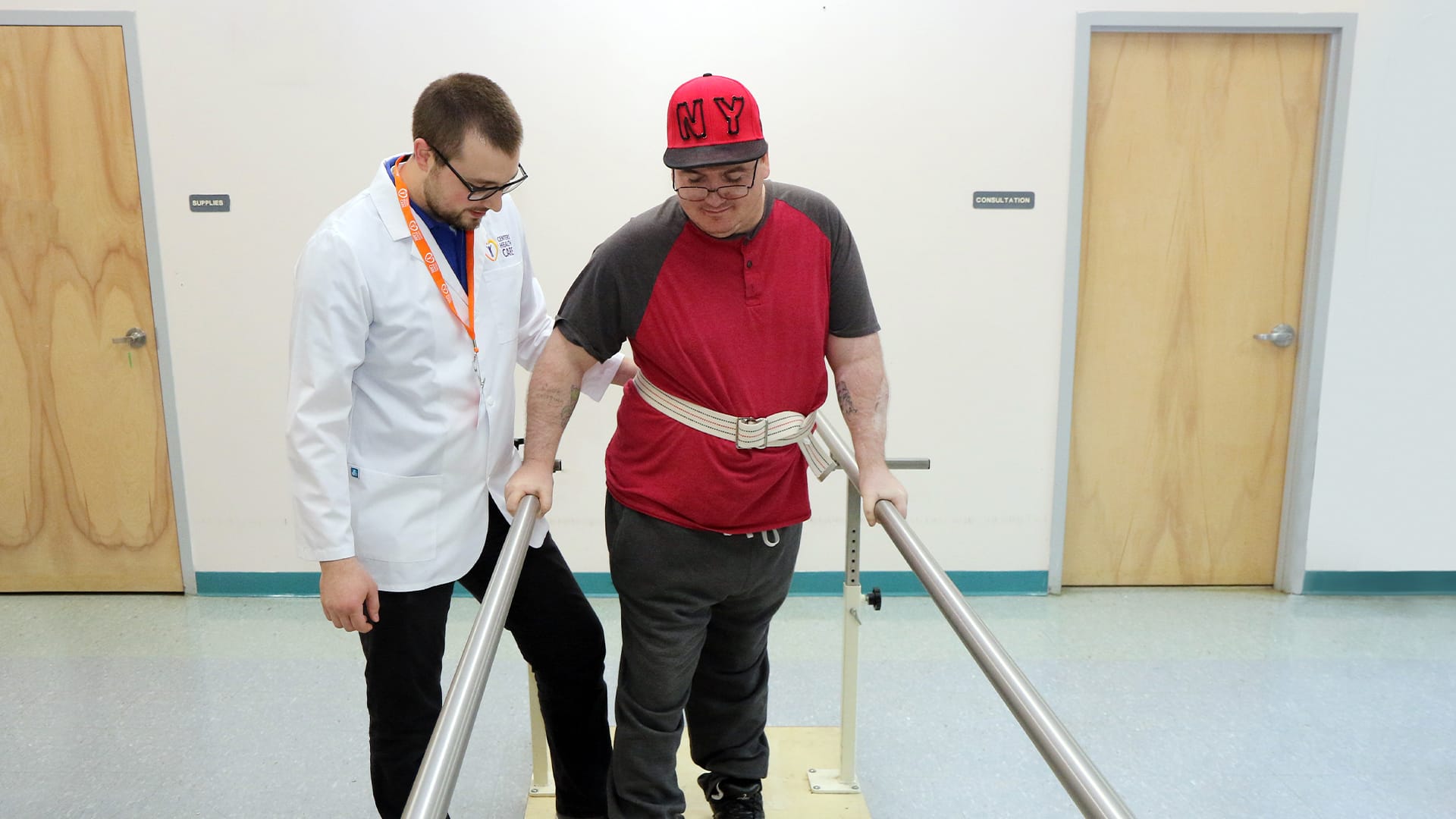
A daughter notices it during a transfer. Her father had been reaching the bathroom with a walker and one therapist; now standing takes two people, several cues and a long pause. Three weeks earlier, everyone expected stairs. By August, the care-plan meeting is using words such as “plateau,” “tolerance” and “new baseline.”
That change can feel like a verdict. It is better understood as a reason to ask sharper questions. Rehab goals, especially short-term rehab goals, sometimes move because strength, cognition or heart and lung reserve have changed. A new infection, medication effect, dehydration, anemia, delirium, poorly controlled pain or another treatable problem may also be interfering. The clinical team has to sort through that first. If the old target no longer fits, supportive care options can protect comfort, function and choice without pretending the last few weeks did not happen.
Don’t Let “Plateau” End the Meeting
“Plateau” often enters the room before anybody has explained the week. It sounds conclusive; sometimes it merely describes a run of bad sessions.
Go back to the resident’s ordinary day. When did getting out of bed become harder? What else was happening at the time? The medical review may uncover something treatable, or it may confirm a genuine loss of reserve. Either answer is more useful than a label.
Then get almost annoyingly specific. A full staircase may be out. Could the resident manage the two steps at the entrance with help? If walking is no longer safe, can a pivot transfer become less painful? Perhaps the work shifts to sitting balance, hand movement, positioning or showing a relative how to help without injuring either person. Put the stopping point in the plan too: breathlessness after three minutes tells the next shift far more than “poor tolerance.”
What Supportive Care Options Can Still Accomplish
At one care-plan meeting, the word “comfort” may mean better pain control. To another relative, it sounds like everyone is stopping. That misunderstanding can occupy half the room.
Palliative care can enter while treatment continues. A resident receiving cardiac care or taking part in selected therapy may also receive close attention to breathlessness, nausea, anxiety, constipation, sleep and the strain carried by the family. Hospice has a narrower frame. It serves a person with terminal illness whose care is centered on comfort and quality of life. Ask the team which service it means; “supportive” by itself covers quite a bit of ground.
Therapy does not automatically disappear when recovery is no longer the organizing idea. A therapist might adjust a chair, ease a stiff joint, find a less exhausting route to the bathroom or coach a son through a transfer. The purpose has changed. Nursing, social work and spiritual care may take on more weight. And there are tradeoffs: one resident wants stronger relief even if it brings drowsiness; another will accept some discomfort to stay sharp for an evening phone call.
Questions That Clarify Supportive Care Options
Bring paper. Family meetings produce a strange amount of information just when everyone’s ability to absorb it is at its worst.
Start with the best-case, worst-case and most likely course over the next few weeks. Ask whether the decline appears reversible, partly reversible or likely to continue. What would a time-limited therapy trial look like? It needs a duration, a measurable target and an agreed point for review. “We’ll see” is not a plan unless somebody says what the team will watch.
Details expose hidden disagreements. Does the resident value alertness over stronger pain relief, or the reverse? Is eating for pleasure more important than meeting a nutrition target? Would another transfer for urgent evaluation fit the person’s wishes? Who should receive updates, and who has authority if the resident loses decision-making capacity? Listen for the resident’s own language. “I want enough breath to daven in the morning” gives a care team more to work with than a generic instruction to keep trying.
One family spokesperson can reduce crossed wires. It does not give that person extra votes; it gives nurses and clinicians one reliable route for updates.
New York Forms Come After the Conversation
“We already did the proxy,” someone says, and everybody looks relieved. Fair enough, except that New York’s forms do different jobs.
The Health Care Proxy answers who: it identifies an agent to make health decisions if the resident cannot. MOLST answers a set of treatment questions through medical orders, including resuscitation and other life-sustaining measures, for a person with serious health conditions. A clinician completes it after discussing the resident’s health, values and choices with the proper decision-maker. The form follows the person across care settings.
None of this should begin with a pen. Families need enough clinical information to understand the likely course and the consequences of each choice. Later, a major change in condition, a move to another setting or a change of mind should bring the orders back onto the table. Keep the current version findable. Ask who holds a copy. If one line sounds ambiguous, have the clinician translate it before an emergency supplies its own interpretation.
Read the Whole Day
Ask the aide who handled breakfast. Ask what happened during the turn at 11:00, and whether the resident was still awake when family arrived. A five-minute medical visit may miss the pattern entirely.
Suppose breathing becomes harder only after lying down. Or shoes that fit on Tuesday pinch on Friday. Put that change beside the person’s usual behavior and report it, plainly. The same goes for guarding a hip, moaning during care, refusing a favorite food or suddenly sleeping through conversation. Nobody needs the family to diagnose it.
Pain scores are a starting point. The useful follow-up is rather ordinary: after treatment, could the resident wash, turn, sit or rest? Facial tension and body movement help when speech cannot. August brings another complication in White Plains. A cardiac resident’s directions about fluids and diuretics are personal; well-meant extra drinks may clash with them. Check first.
Even comfort has a schedule. Which position settles the breathing? When is pain reassessed? What happens after a restless night? At what change does the phone ring?
Care. Support. Positive Outcomes. Centers Health Care.
Martine Center in White Plains supports people whose needs may move between short-term rehabilitation, cardiac care, pain management, long-term care and hospice care. One resident may be working toward a safer walk home. Another may need close symptom attention and help structuring a quieter, more comfortable day.
The goal cannot be copied from the person in the next room. Staff, residents and families reassess what is achievable, useful and wanted. There may be improvement, setbacks and stretches when holding steady is the most honest target. Care continues through each of those turns, with the plan adjusted to the person rather than the old timetable.
Steps to Home
Start at the front door. Two steps or twelve? A rail? Then move room by room: bathroom clearance, bed height, the chair used at supper and the person who will actually be there Tuesday morning. Steps to Home brings those details into discharge planning. Families can rehearse transfers, medication routines and equipment use with staff, then write down warning signs and the right number to call. A change before departure calls for a fresh plan, even if the bags are packed.
Our Steps to Home series follows patients through rehabilitation and the journey from hospital to home: