Orthopedic Recovery After Joint Surgery: Summer Mobility Goals
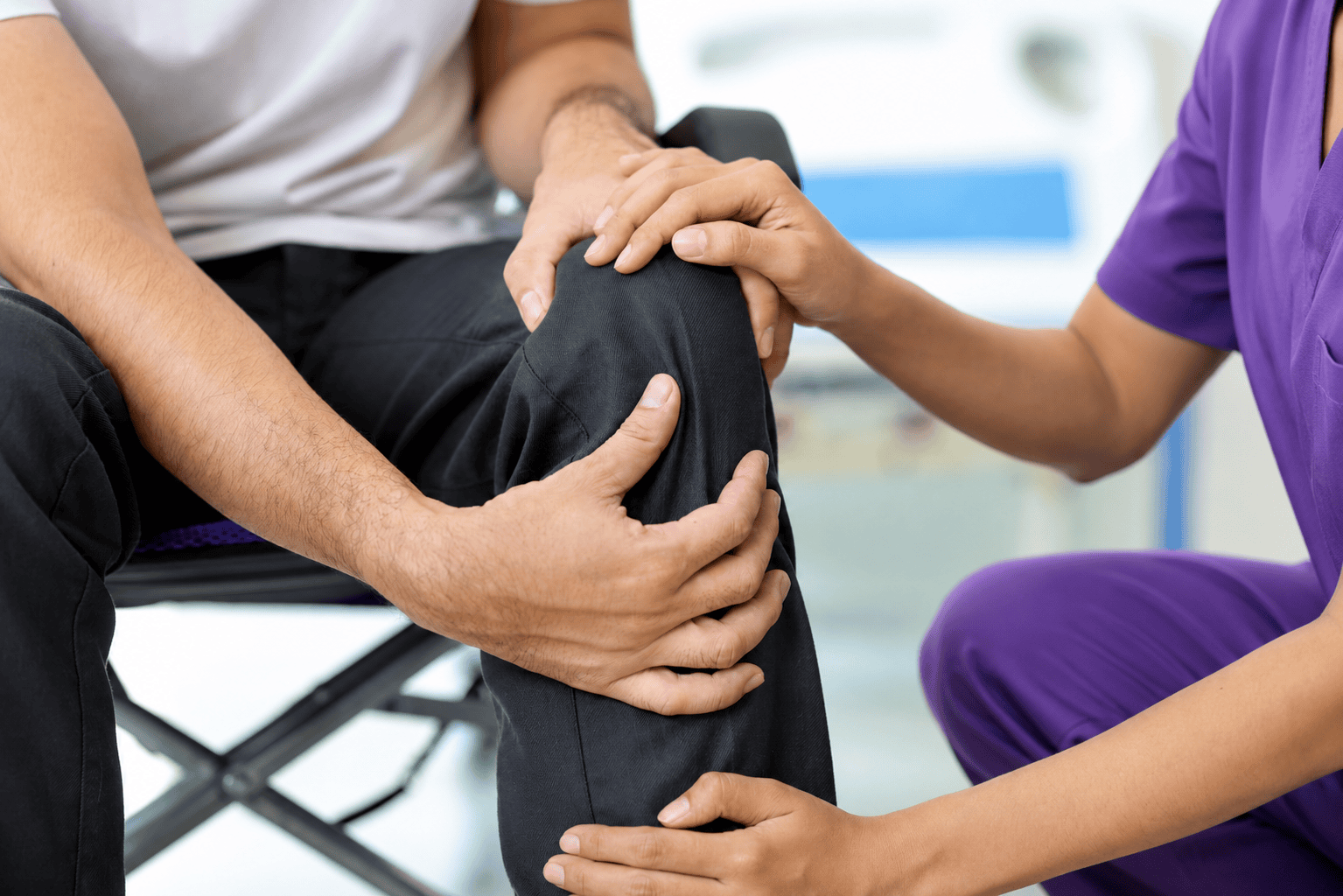
A knee at six weeks out still hesitates on the third stair, and a surgeon will tell you that’s within normal range, not a warning sign.
Joint replacement surgery — hip, knee, shoulder — has gotten faster and less invasive over the past several years. Anterior approaches, smaller incisions, same-day mobilization protocols. What hasn’t changed is the actual work of getting a joint to trust itself again. No implant does that part. A structured rehab plan does, paired with a patient willing to show up when the motivation runs thin.
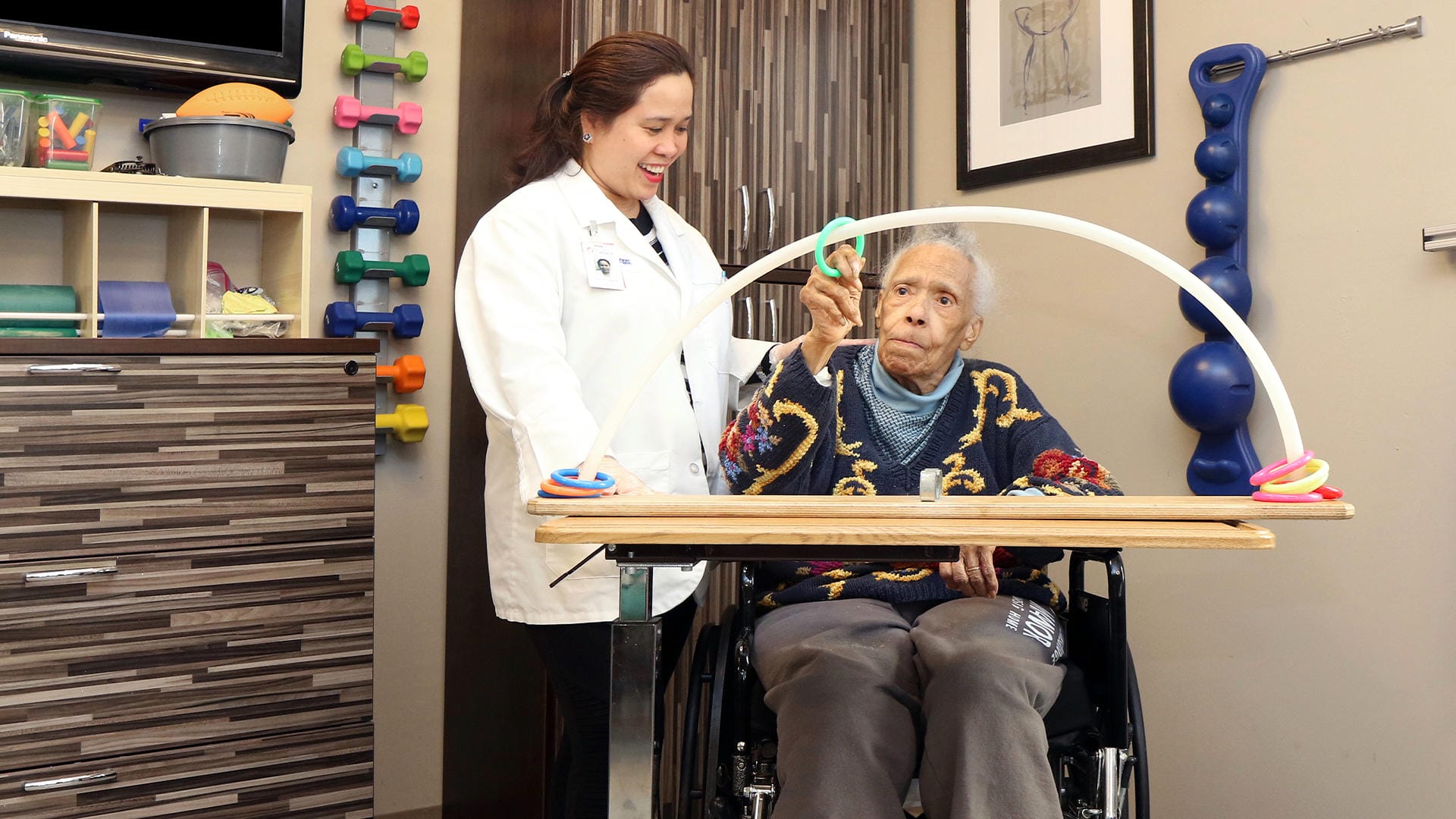
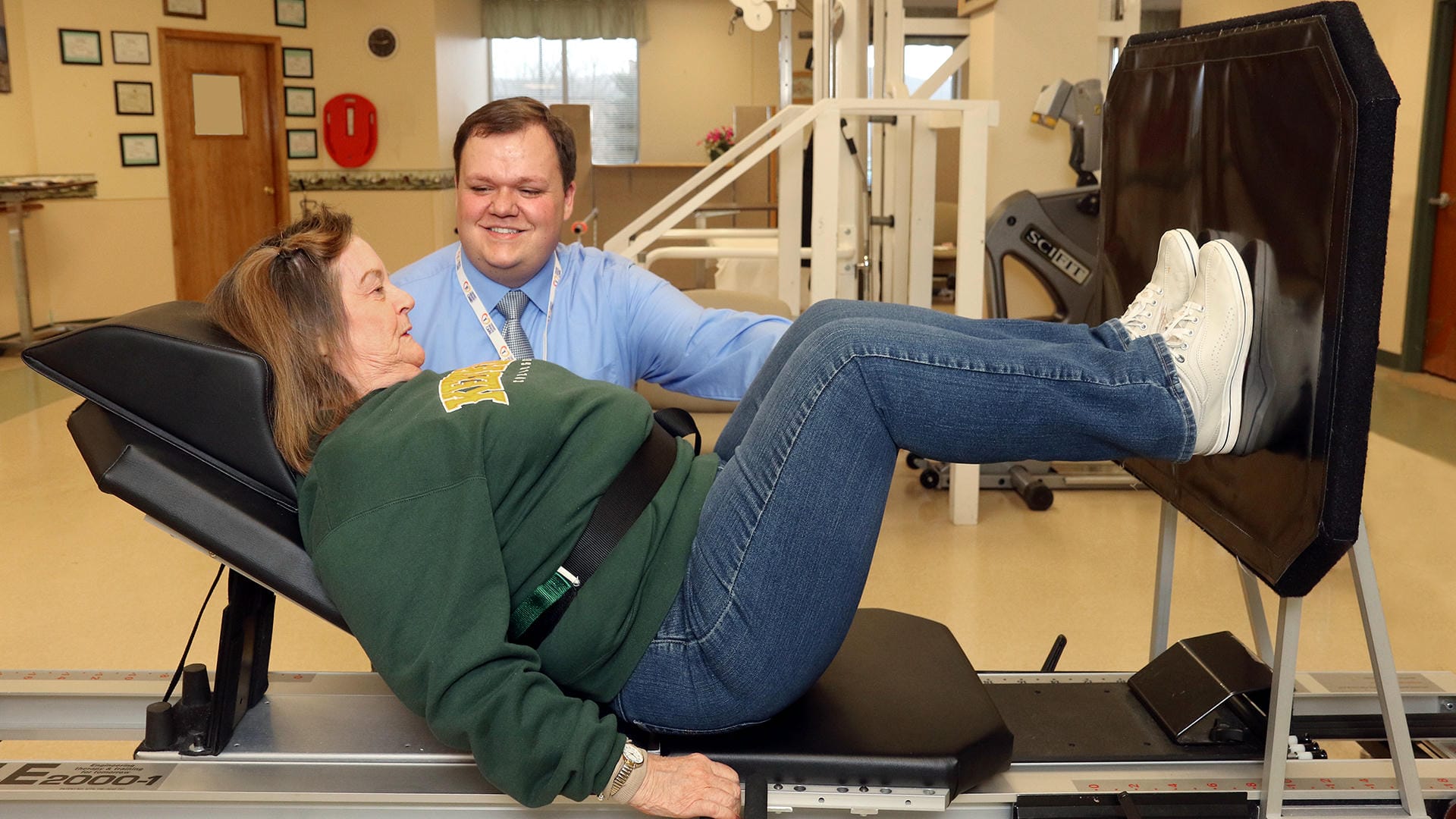
Early mobilization is where modern orthopedic recovery after joint surgery diverges most from the old model. Physical therapists now get patients standing and taking a few steps within hours of surgery in many cases, not days. The logic holds up under scrutiny: muscles that fire early retain more strength, blood clots form less readily, and patients report better pain control when they’re not lying still and bracing for movement. Range-of-motion work — passive, then active-assisted — typically starts the same day, in short hourly bursts rather than one long grueling session.
The first six weeks demand the most from a patient, full stop. Swelling has to be managed with elevation and ice on a schedule, not whenever it’s convenient. Wound checks happen at set intervals because infection risk doesn’t announce itself early. Mobility aids get phased out gradually — a walker for days or a week, a cane after that, unassisted walking whenever the therapist clears it, and that clearance depends heavily on age, baseline fitness, and how much prehab work got done before surgery ever happened. Older patients who trained beforehand routinely outpace younger ones who didn’t bother.
Orthopedic Recovery After Joint Surgery: The Middle Stretch Nobody Warns You About
Around the two-to-three-month mark, patients typically feel close enough to normal that they push harder than they should, and that’s precisely where overexertion injuries cluster. A joint can bend through a full range and still be months away from finishing its internal remodeling. Therapy shifts here — less about basic motion, more about balance work, stair mechanics, functional strength that supports actual daily tasks. Nothing about it looks impressive from the outside. It’s the phase that determines whether the next year goes smoothly.
Therapists at Glens Falls Center track a specific number obsessively: degrees of flexion at the twelve-week mark. Fall short there and the odds of catching up later drop fast, which is part of why sessions get scheduled two to three times a week instead of whenever a patient feels up to it. Skip a week during this stretch and the joint stiffens measurably — not permanently, usually, but enough that the next session starts with ground to recover instead of ground to gain.
Summer complicates things in useful ways. Longer daylight, warmer muscles, outdoor walking paths that don’t require navigating ice — all of it nudges people toward hitting mobility goals a little ahead of schedule. Therapists in the Glens Falls region lean into this seasonal window deliberately, building outdoor gait training and light functional tasks into plans once a patient clears the indoor benchmarks.
Managing Pain Without Losing Ground
Pain-aware therapy isn’t about eliminating discomfort. It’s about sequencing activity so pain doesn’t shut down the next session. Multimodal approaches — nerve blocks, targeted medication timing, ice protocols, positioning strategies — have replaced the blunt instrument approach of a decade ago. A patient who’s overmedicated skips reps out of grogginess. A patient who’s undermedicated skips reps out of fear. Neither serves the joint.
Enhanced recovery frameworks, now standard in most orthopedic units, build around this exact tension: minimize surgical trauma up front, then keep pain low enough that movement stays possible without becoming punishing. It’s a coordination job between surgeon, therapist, and nursing staff, and when it works, patients notice mainly by what doesn’t happen — no plateau, no dread before sessions.
Stroke recovery patients and cardiac patients on the same unit sometimes benefit from the same philosophy, oddly enough. Movement tolerated early, monitored closely, escalated on a schedule that respects the body’s actual pace rather than an arbitrary calendar.
Full functional recovery for a knee or hip commonly stretches to six months, sometimes twelve for complete tissue remodeling. Shoulder cases can run longer given the joint’s mobility demands. None of this should read as discouraging — most patients walk without assistance well before that outer range, resume driving within weeks, and return to work in two to three months depending on job demands. The long tail is about the last ten percent, the fine motor confidence that comes slowly.
Glens Falls Center
Glens Falls Center runs orthopedic recovery after joint surgery through coordinated pain management and short-term rehab teams working off the same plan. Progress gets tracked weekly — range of motion, gait quality, functional milestones — with pacing adjusted per patient rather than pulled from a generic template. The center also handles cardiac care, stroke care, wound care, and long-term care for residents whose needs go beyond a single recovery track. More on orthopedic recovery and rehabilitation services at Glens Falls Center.
Care. Support. Positive Outcomes. Centers Health Care.
Glens Falls Center provides orthopedic care, pain management, short-term rehab and long-term care for people with a wide range of needs. Whether someone is recovering from joint surgery, managing an illness or simply needs more support than can be provided at home, our staff is there to help.
The goal is not exactly the same for everyone. It may be returning home, regaining mobility after joint surgery, staying independent or simply feeling better and more comfortable from one day to the next. There will be progress, setbacks and difficult days along the way. Our job is to be there through all of it, and to help each patient or resident get as far as he or she can.
Sometimes that progress comes in large steps. More often, it comes in small ones. Either way, every step matters.
Our Steps to Home series follows patients through rehabilitation and the journey from hospital to home: