Orthopedic Rehab After a Summer Fall: Building Strength Safely
Nobody calls it a fall risk when the sidewalk’s just hot. Ice gets photographed, salted, warned about on the news. A 94-degree afternoon in Boro Park doesn’t get the same treatment, and that gap is exactly where summer falls keep happening. Some of those falls end in fractures, surgery, and weeks of orthopedic rehab. Dehydration takes hours to show itself. Blood pressure sags below baseline before anyone notices thirst, and by the time a person’s stepping off a curb to grab the mail, their reflexes are already running slow. EMS volume in New York climbs through July and August, not as sharply as the winter ice spike but steadily, predictably, almost boringly so. Sandals instead of supportive shoes plays a part. So does running errands at 2 p.m. because that’s when the appointment was scheduled, heat or no heat. A blood pressure medication dosed in April doesn’t always hold up in August either, and most patients never think to ask their doctor about adjusting it for the season. Small stuff. Stacks up fast.
Treat a hip fracture and a wrist fracture the same way and weeks of recovery time get lost. The hip case needs gait retraining almost immediately, weight-bearing clearance pushed as early as surgery allows. Wrist injuries run on a completely separate clock — swelling has to come down first, splinting holds the joint still while bone knits, and grip strength only gets reintroduced once a hand surgeon signs off. Two different injuries from the same fall, two timelines that rarely overlap, and clinicians figure out which path applies within the first two days.
Why Summer Falls Hit Differently
Air conditioning swings room temperature in ways that mess with balance more than people realize. Someone walks from a hot porch into a cold living room, blood vessels constrict, dizziness hits for two or three seconds — enough time to miss a step. Add medication that wasn’t dosed for heat exposure, and the math gets worse.
Tinetti and Berg Balance assessments remain the standard tools New York rehab teams lean on in 2026, and they catch what eyeballing can’t. A patient might walk a straight hallway line looking perfectly fine and still score in a high-risk range once weight-shift timing gets measured properly. That disconnect is the whole argument for structured screening over casual observation.
The First Days After Injury
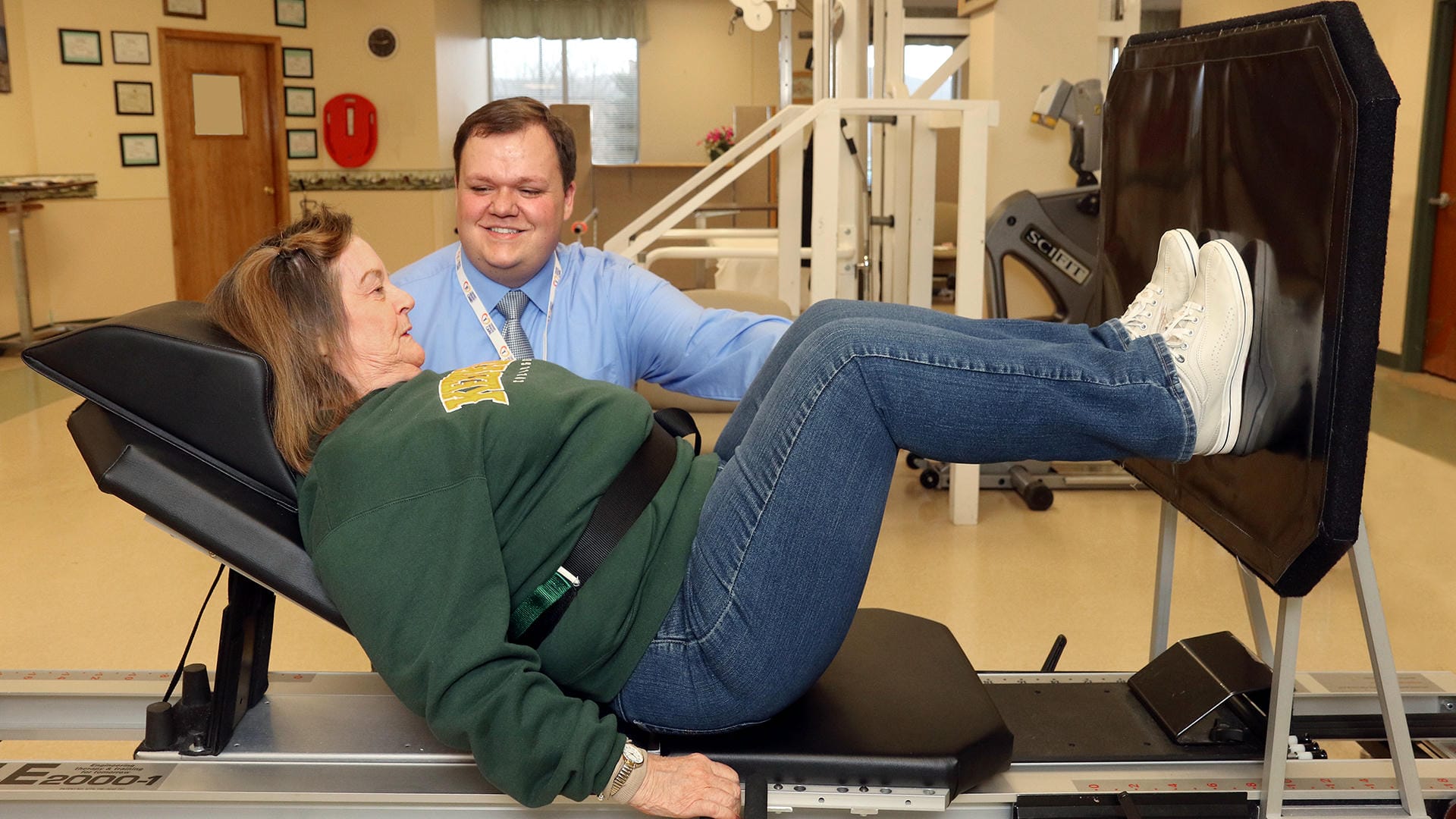
Get the patient moving. Not running, not even standing unsupported necessarily, but upright, weight-bearing where cleared, within a day or two of surgery if at all possible. Patients mobilized early after hip or knee procedures consistently outperform those left in bed out of overcaution — this isn’t new, but it bears repeating because the instinct to protect a fragile patient by keeping them still is exactly backwards.
Pain management has moved well past relying solely on medication. Cryotherapy cycling. TENS units. Manual therapy applied in short, targeted bursts. A patient who’s groggy from opioids can’t participate in their own recovery, and participation is the entire mechanism by which strength comes back.
Orthopedic Rehab After Summer Fall: Rebuilding Without Re-Injury
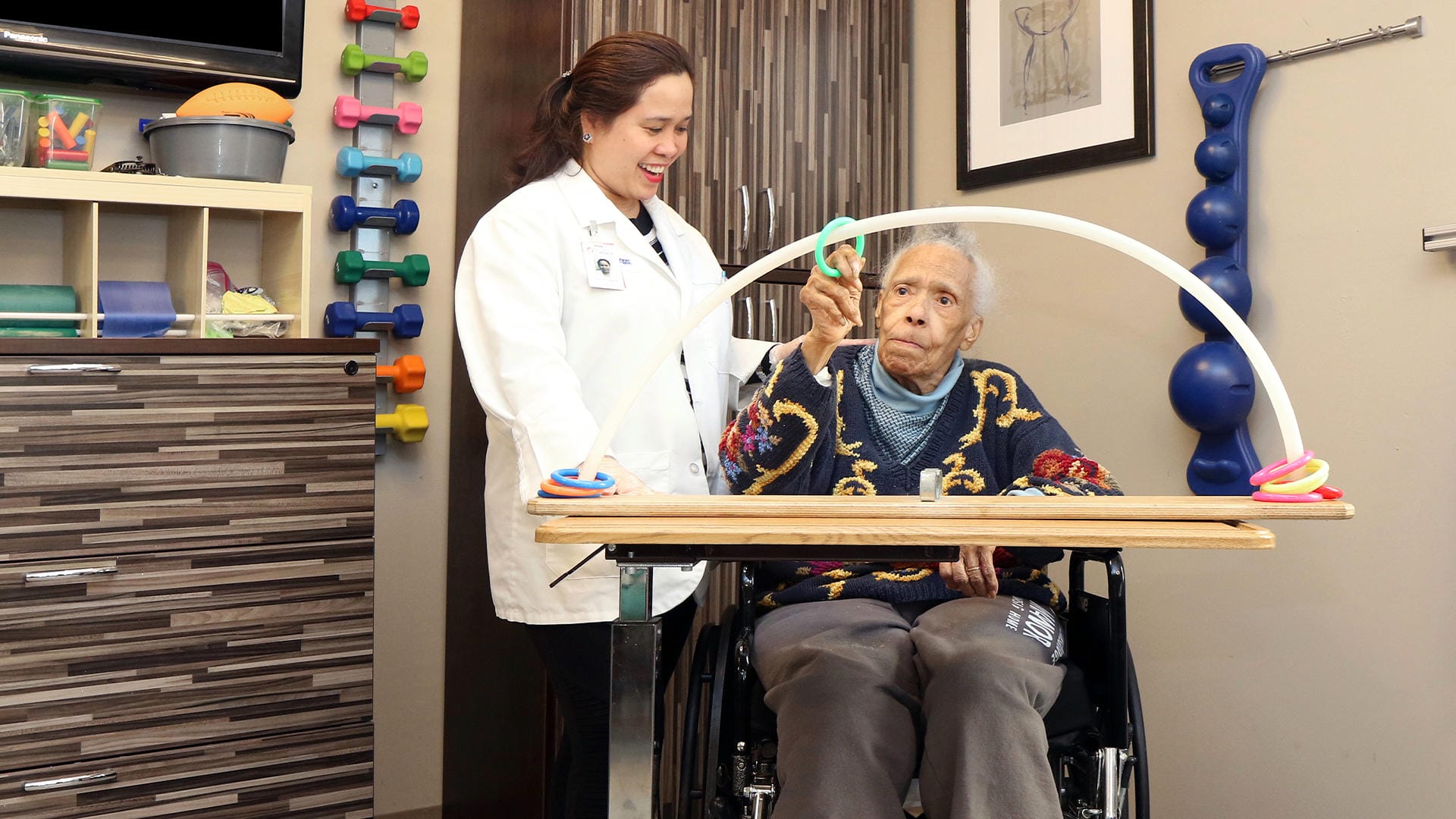
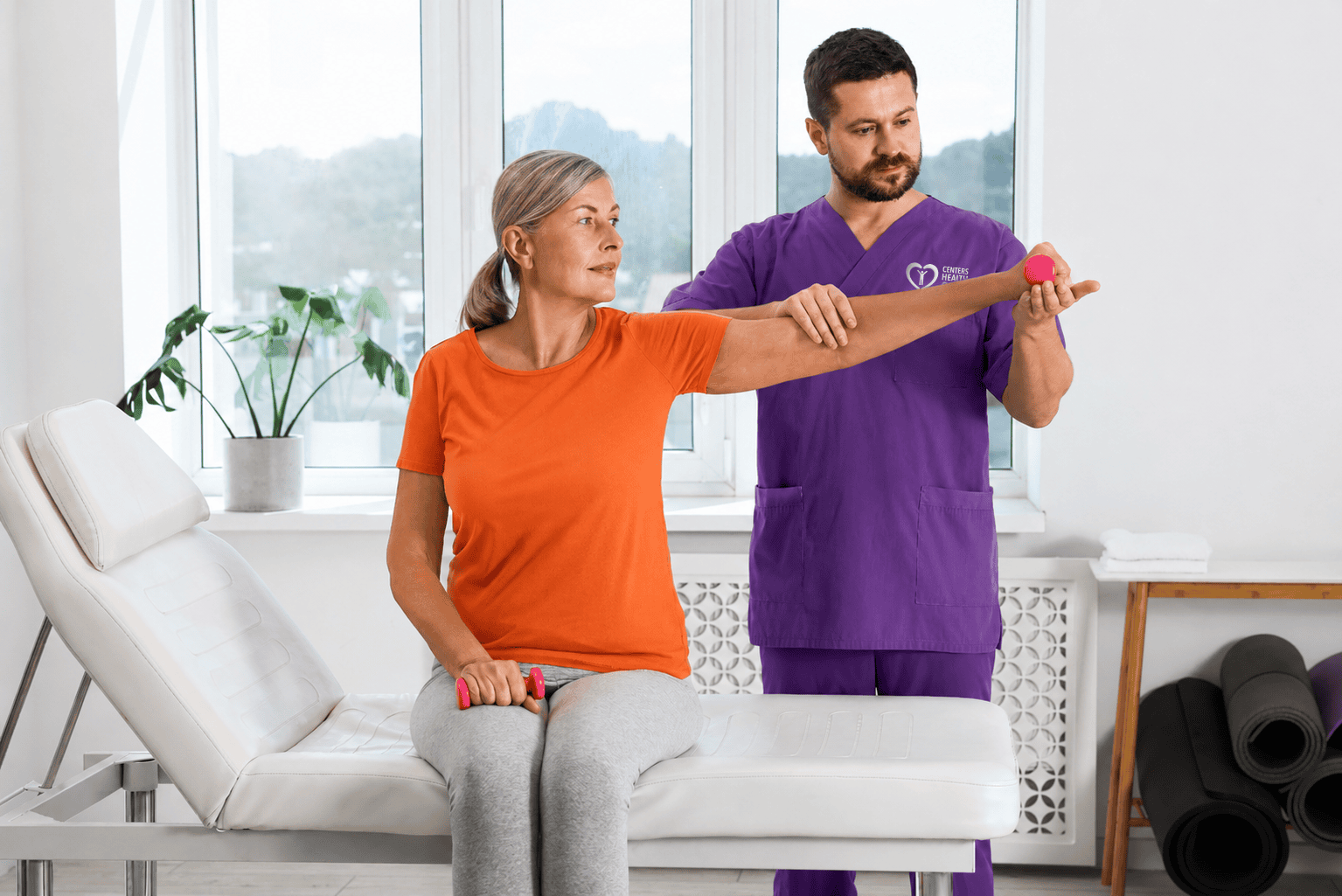
Nobody’s handing out dumbbells in this phase. Single-leg stance drills retrain balance at a level conscious effort can’t quite reach. Resistance bands target hip abductors specifically, since weak abductors show up in fall data again and again as a contributing factor. The exercises look almost too simple to matter until a therapist explains what’s actually happening — proprioceptive retraining, basically teaching the nervous system where the body sits in space again after an injury scrambled that signal. Occupational therapists handle the home side separately, walking through layouts to catch loose rugs, missing grab bars, dim stairwells, the stuff that caused the fall in the first place.
Gait training tech has changed a fair amount. Body-weight support harnesses let a patient practice walking with a fraction of their weight on the legs, building confidence before full load-bearing feels safe. Some programs layer in dual-tasking — counting backward while walking, naming objects, that kind of thing — since a lot of fall risk traces back to divided attention rather than pure muscle weakness. Nobody falls because their quads gave out mid-stride. They fall because they’re thinking about three things at once on stairs.
Getting Home Without a Repeat Visit
Rubber flooring and good lighting make almost anyone look steady. That same patient gets home to a staircase with a wobbly handrail and suddenly the confidence built in a gym setting doesn’t transfer at all. Good discharge planning starts from the apartment, not the clinic. Someone from the team, usually PT or OT and sometimes a social worker, walks through the actual living space on paper if not in person — stair count, bathroom layout, what kind of shoes are sitting by the door, where the light switches are relative to the bed. Independence only gets signed off once that picture matches reality.
Family training matters more than the discharge paperwork suggests. Caregivers who know proper transfer technique and can spot early fatigue before it becomes a second fall cut readmission risk in measurable ways. This isn’t a one-time conversation at checkout. It builds over the whole rehab stay, demonstration after demonstration.
Recovery length swings wildly by injury. Six weeks for a wrist. Three or four months for a hip, sometimes longer depending on baseline fitness going in. What stays the same across both is the underlying target — not just walking again, but walking without hesitation, since hesitation on a staircase creates its own kind of danger.
Beth Abraham Center: Orthopedic Recovery Built Around the Bronx Climate
Beth Abraham Center runs orthopedic care, pain management, and short-term rehab as an integrated track rather than separate departments handing patients off. Someone recovering from a summer fall — hip, knee, wrist, doesn’t matter which — gets a plan built around their actual injury, with pain managed through layered approaches rather than medication alone and mobility rebuilt through supervised, progressive sessions. The center also runs long-term care for patients whose recovery timeline extends past a short stay. More at Beth Abraham Center.
Care. Support. Positive Outcomes. Centers Health Care.
Centers Health Care provides rehabilitation, skilled nursing and long-term care for people with a wide range of needs. Whether someone is recovering from surgery, managing an illness or simply needs more support than can be provided at home, our staff is there to help.
The goal is not exactly the same for everyone. It may be returning home, becoming stronger, staying independent or simply feeling better and more comfortable from one day to the next. There will be progress, setbacks and difficult days along the way. Our job is to be there through all of it, and to help each patient or resident get as far as he or she can.
Sometimes that progress comes in large steps. More often, it comes in small ones. Either way, every step matters.
Our Steps to Home series follows patients through rehabilitation and the journey from hospital to home: