Orthopedic Rehabilitation Glens Falls NY: Mobility Tips for the 2026 Adirondack Balloon Festival
A balloon launch can make an appealing recovery milestone. It also asks more of the body than the photographs suggest. For 2026: September 17-20. Four days. Crandall Park gets Thursday. Queensbury’s airport grounds get the days that follow.
Recovery makes the unremarkable parts of a day rather demanding. The car may be parked well beyond the entrance. Crowds slow the pace, grass stays damp, and standing time piles up quietly after a fracture, joint replacement or orthopedic setback.
A September outing can be trained for right now. With a therapist, work backward from the trip: practice the walk from a distant car, time the upright stretches, rehearse getting out of a portable chair and leave something in reserve for the return after dusk. Balloons fly at the weather’s pleasure. Bodies can be fickle too.
Orthopedic Rehabilitation Glens Falls NY: Rehearse the Outing
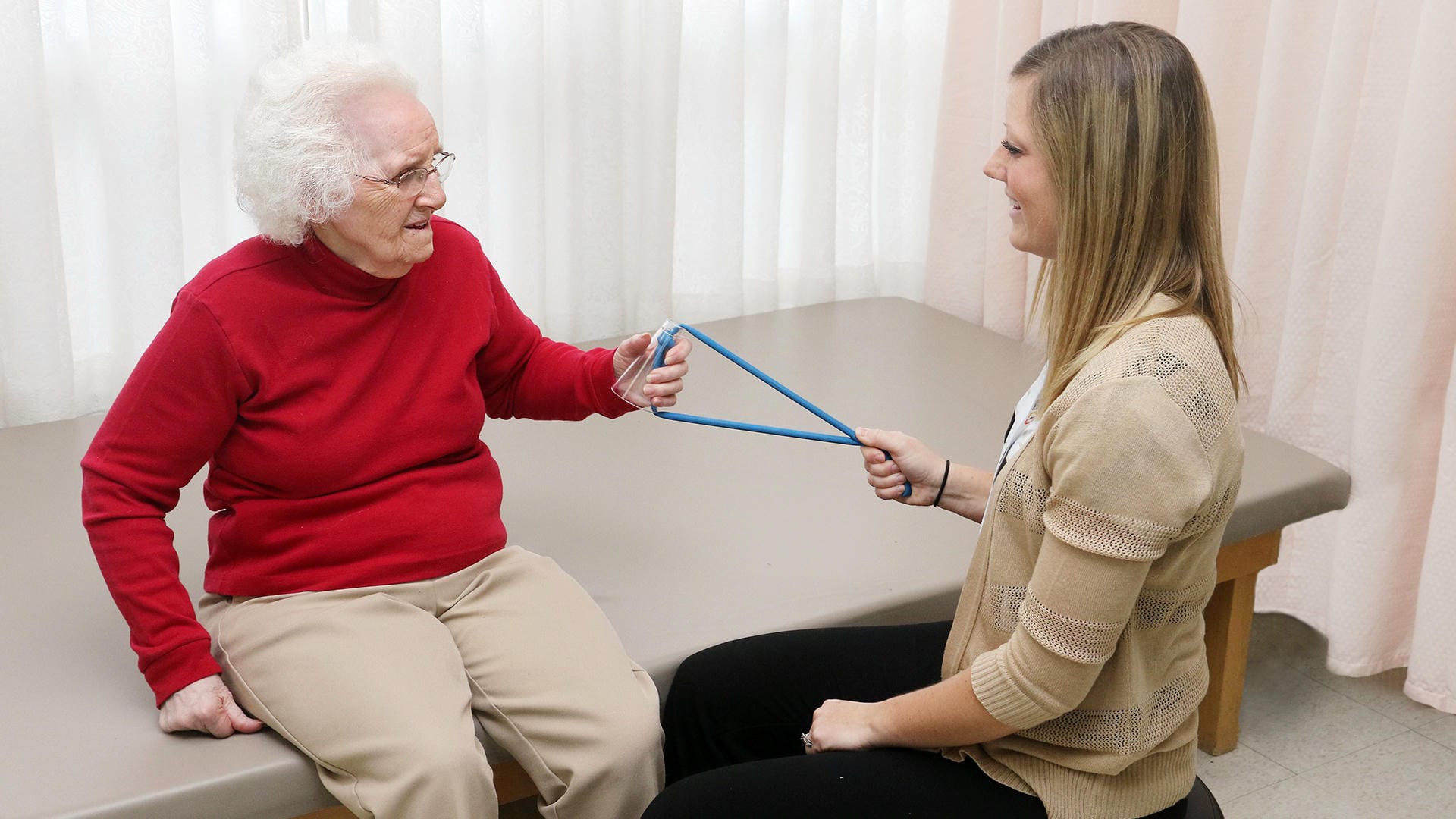
Two weeks before the festival is a useful point for an honest trial. Wear the shoes intended for the event, use the prescribed cane or walker and cover a measured outdoor route. Add one sit-to-stand transfer from a folding or lawn chair if the person’s precautions allow it. The result gives the rehabilitation team better information than “I think I can manage.”
Some therapists put numbers on the trial with a Timed Up and Go, or count how many stands the patient completes in 30 seconds. Balance, leg power and transfers stop being vague words. Those scores do not issue a festival pass. They help frame the discussion alongside weight-bearing orders, pain, swelling, endurance and how the person performs on an actual surface.
The device needs a check too. Worn cane tips, loose walker hardware and brakes that no longer hold can turn a mild slope into trouble. A therapist should confirm the height and technique. For a cane, that may include holding it opposite the weaker or painful side. Nobody should graduate from a walker for the occasion simply because it feels less conspicuous.
Orthopedic Rehabilitation Glens Falls NY on Grass and in Crowds
The festival warns of its busy windows: 5 to 9 in the morning and 3 to 8 later in the day. Early can be calmer. It can also mean sitting around much longer. Calculate the whole day, including the exit. Identify the accessible parking option, the likely walking route, a meeting point and the nearest dependable seat before leaving home.
Grass deserves respect. A standard walker should be placed with all four points stable before the next step. Small wheels may drag in soft soil; cane tips can sink; a rollator can gather speed on a grade. The correct device depends on the person’s restrictions and practiced skill. Settle the device question in the therapy gym, days earlier.
Chair height changes the job. Armrests give the hands somewhere useful to push during a rise. Bring it if the event permits, along with a light source for morning launches or the evening moonglow. The festival itself recommends lawn chairs, layered clothing, boots and a flashlight. Keep both hands available for the mobility aid. Someone else can carry the cooler.
Pain Pacing Without Losing the Day
The temptation is to save every ounce of effort for the launch. Then the first long walk produces a pain spike, the chair comes out late and getting back to the car becomes the hardest part. Pacing works better when rest is scheduled before symptoms force it.
Try short blocks: walk, sit, reassess. Use the same pain scale or exertion scale practiced in therapy. If a short practice walk sends a familiar 2-out-of-10 ache up to 6, write that down. End the attempt when the number continues upward. Do the same after fresh buckling, dizziness or an abrupt change in the way the person walks. The prescription label wins. Do not rearrange a dose or its timing for a balloon launch.
By late afternoon, a familiar shoe may press against a newly puffy foot. Several hours upright can do that. Leave time and space for any elevation that the care plan permits. Compression, ice and daily activity limits stay exactly as the team prescribed them. Fresh swelling in one calf, trouble breathing, chest pain, drainage from a wound or fever is a change of plans. Get medical help promptly.
Let the Weather Make the Decision
Hot-air balloons need cooperative wind, and every scheduled festival activity is weather permitting. That uncertainty can be frustrating after weeks of work toward a specific date. It can also prevent a poor decision.
September mornings near Glens Falls may be cool, wet and dark. Layers help, but bulky coats can interfere with crutches or change how a walker fits through a crowd. Wet grass raises the traction problem. Before departure, compare the forecast with the conditions used during outdoor practice. Check the festival’s current social updates as well, since a delay on the field could mean another hour on one’s feet.
Set a departure rule while everyone is comfortable. Rain, increasing wind, worsening pain or unstable walking can trigger the trip home. Having that conversation in the kitchen is easier than having it beside an inflating balloon.
Festival day crams plenty of ordinary life into a few hours: a curb, a chair, soft ground, distraction, then fatigue. At 152 Sherman Avenue, Glens Falls Center works with people needing orthopedic care, pain management or short-term rehabilitation in the same city that hosts Thursday’s opening. Mobility practice can sit beside medication instructions, skin or wound observation, device technique and the patient’s wish to see the balloons. The questions get very concrete. How far is a safe walk today? Which seat height works? Who carries the supplies? If the ground turns slick, how does everyone leave?
Care. Support. Positive Outcomes. Centers Health Care.
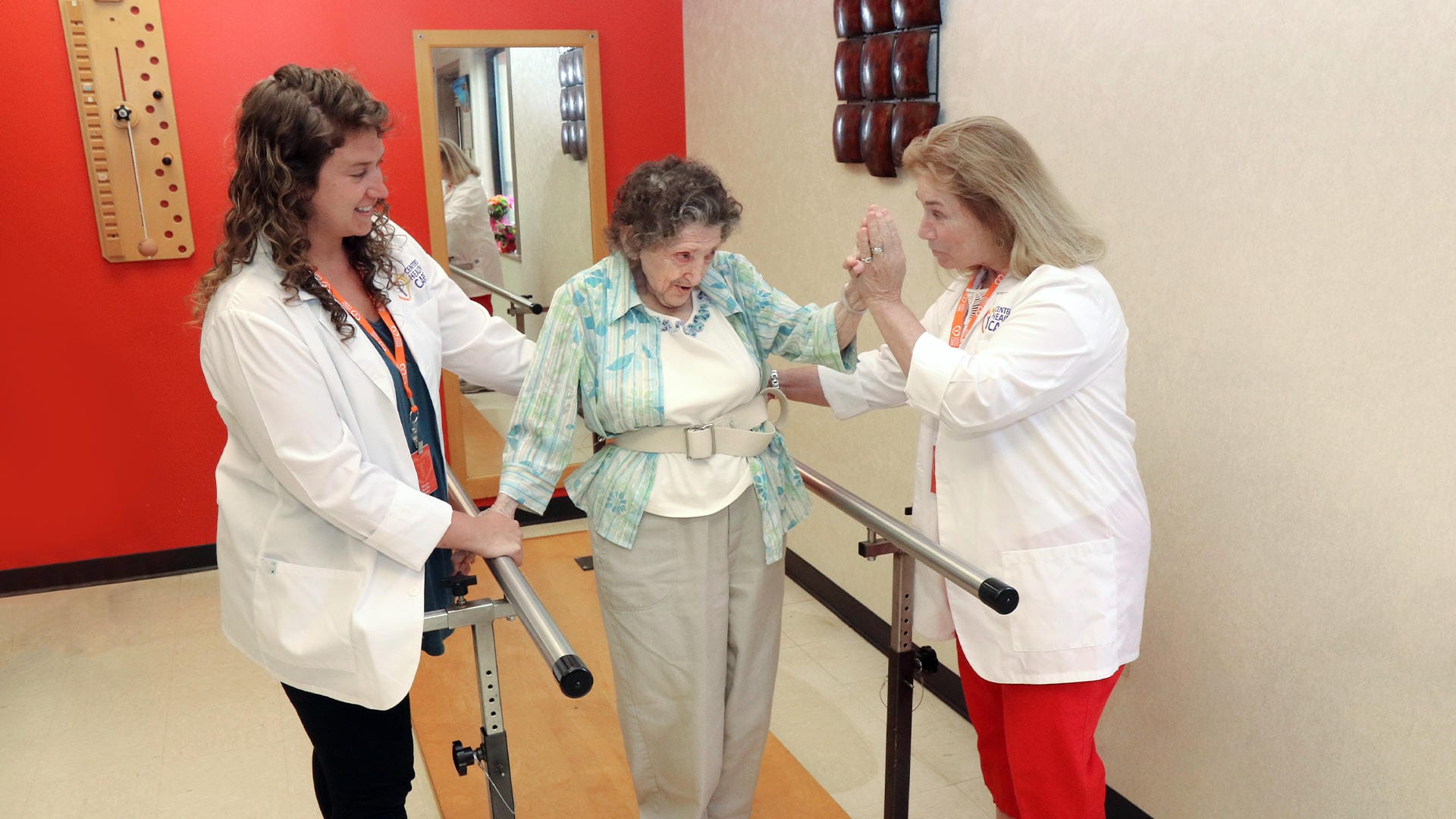
Some patients arrive after an operation. Others are living with an older injury or an illness that suddenly changed how much they can do alone. Rehabilitation? Often. Skilled nursing too. Centers Health Care handles both sides of that stretch. One day may put wound care in the foreground. On another, pain management or short-term rehab takes more of the attention. Longer-term support is there when the need continues.
One resident may be aiming for home; another is trying to stand with less assistance. It may be returning home, walking farther, managing a transfer with less help or getting comfortable enough to attend a family or community event. Progress can stall. Some days are rough. The rehabilitation team stays with the patient through those changes and helps each person reach the safest, strongest level possible.
Large gains are welcome. More often, recovery shows up in smaller steps: one steadier turn, five extra minutes upright, a trip planned with fewer surprises. Each step helps carry the person home.
Research was checked against the official 2026 festival information, its attendance and accessibility FAQ, orthopedic mobility-aid guidance, and current fall-risk data.
Our Steps to Home series follows patients through rehabilitation and the journey from hospital to home: