Pain Management in Rehab: Helping Seniors Move With More Confidence
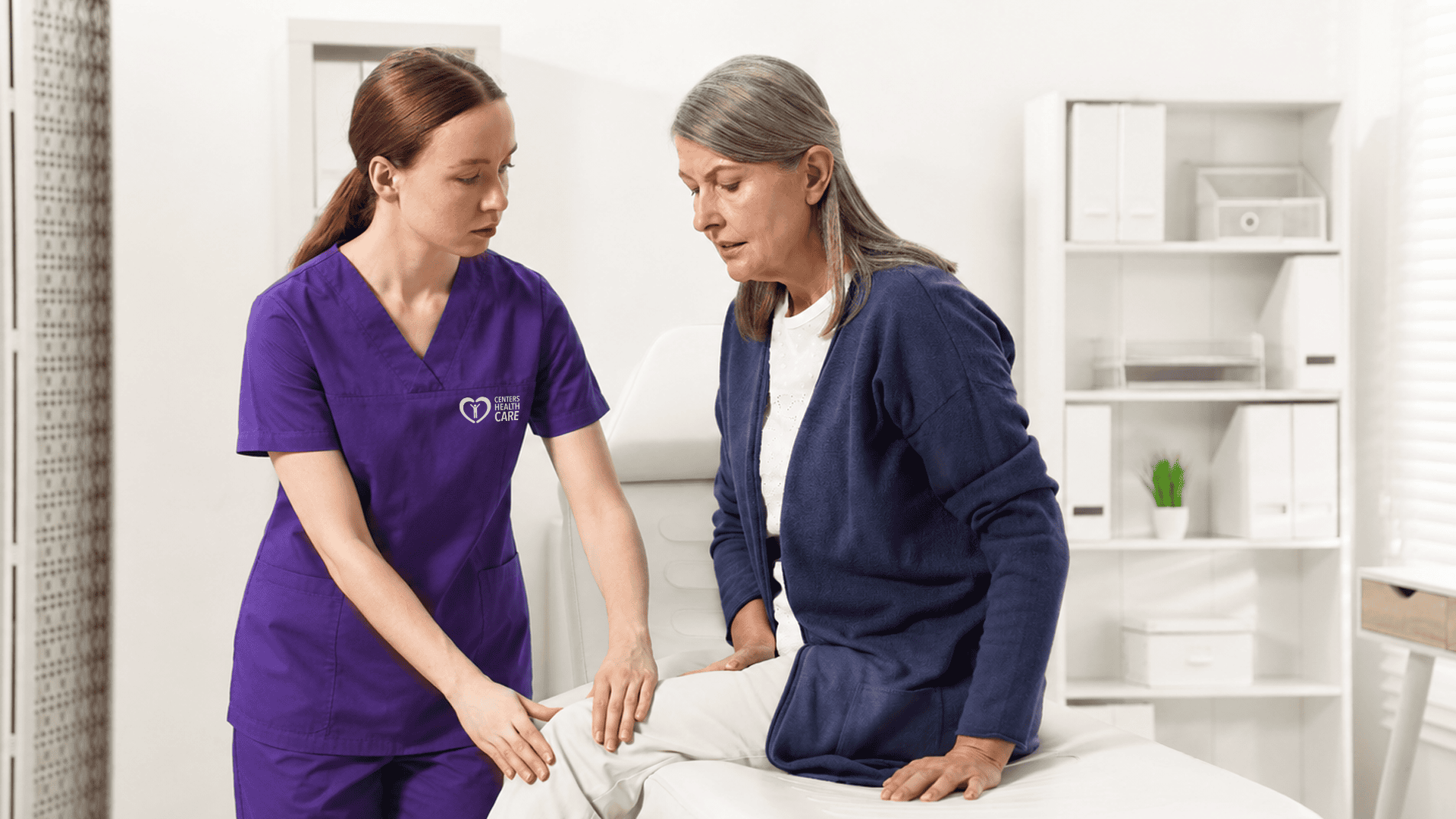
The hardest step in rehab may be the one taken before breakfast. A sore knee has stiffened overnight. A healing hip feels unfamiliar. The walker is close, yet standing still looks like a gamble. For many older adults, pain changes more than comfort. It changes judgment, posture and the willingness to try.
Trying less can feel sensible for a day or two. Then muscles lose strength, joints tighten and an ordinary transfer from bed to chair asks for more effort. Good pain management rehab interrupts that slide without pretending every ache should disappear. The practical aim is a tolerable session, safer movement and enough trust in the body to try again tomorrow.
That takes more than asking, “How bad is it?” Pain after an operation, pain from arthritis and nerve pain do not behave alike. Even the same knee may be quiet at rest and sharp on the third stair. Treatment has to follow the pattern.
In Pain Management Rehab, the Number Is Only the Beginning
Seven. That answer goes in the chart, and it helps. Yet two people who both report a seven may be having rather different days. One can make it to the bathroom with a walker. The other winces before putting a foot down. Staff may compare a 0-to-10 Numeric Rating Scale score before and after activity, then write down what the person actually managed to do.
Speech is sometimes an unreliable guide. For a resident with advanced cognitive impairment, PAINAD draws attention to five things: breathing, negative vocalization, facial expression, body language and whether reassurance works. A grimace during a transfer belongs in the picture. So do fear and fatigue. Behavior needs context.
Then come the oddly useful questions. Burning or aching? First step or fifth? Quiet at noon, troublesome at bedtime? Sudden pain gets treated as new information. Age, by itself, is a poor explanation.
One Repetition May Be Enough for Now
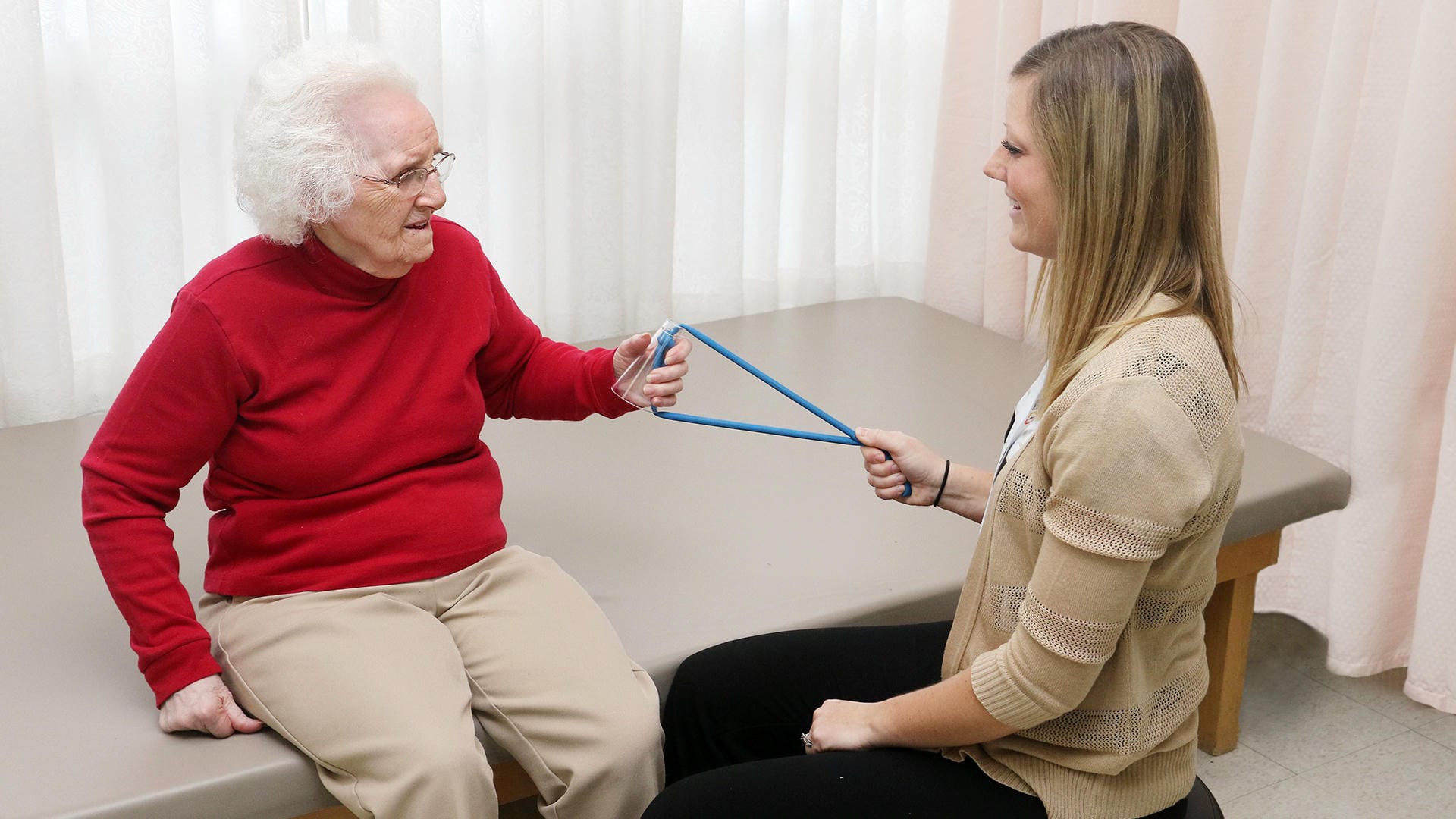
Picture a resident leaning hard on the walker to spare a healing hip. The next step is shorter. By the doorway, the sound leg is doing nearly all the work. A therapist might try a seated drill, reduce the range or stop after one careful sit-to-stand. Later, another attempt.
Orthopedic precautions still run the show. Weight-bearing orders, the surgical site and the person’s response decide how far a session goes. There is no prize for rushing tissue that is busy healing.
Heat, cold, positioning, supportive equipment, breathing work and gentle mobility each have a place in some care plans. They also have catches. Poor sensation changes the safety calculation for a warm pack. Skin needs checking with either heat or cold.
Prescribed pain medicine may be timed so its expected effect overlaps with therapy. Afterward, staff look beyond relief. Is the resident drowsy, nauseated, constipated, newly confused or dizzy on standing? A quieter knee is small consolation if the hallway starts tilting.
Pain Management Rehab Follows the Day
At 2:10 a.m., the shoulder interrupts sleep. At breakfast, the coffee mug changes hands. By therapy time, reaching for a shirt sleeve brings the pain back. Those entries may come from a nurse, an aide and two therapists. Read together, they are more useful than any one of them alone.
Clinical shorthand can get awfully foggy here. Take “better function.” Better enough to button a shirt? To cross the bedroom with the prescribed device? To stand at the sink for four minutes? A specific task leaves a trail: distance, help needed, technique, pain before movement and the response afterward.
There is an awkward truth with chronic arthritis or neuropathy. A pain-free day may not be available. So the resident and care team talk about what level feels tolerable and what activity is worth doing. One person keeps walking through a low ache. Another tenses at the first warning. The chart may list the same condition. Their sessions won’t look the same.
August Adds a Variable
An early session can go smoothly in Granville, while the muggy afternoon feels like another season. Heat is harder on many older adults. Some medicines can interfere with fluid balance, sweating or temperature control as well.
Dizziness after standing deserves a pause and, when clinically indicated, orthostatic vital signs. Headache, weakness, nausea or unusual sweating should be reported during activity rather than waved off as August being August. The plan for a hot day may mean an indoor space, a different hour, lighter work or closer observation. Fluid instructions remain individual, especially when a clinician has already placed limits.
One rule is uncomplicated: weather is no reason to stop or alter a prescription independently. That discussion belongs with the prescriber.
Families Notice What Happens Later
Noon goes well. At six, the leg is propped on a pillow and the resident wants no part of the usual hallway walk. Family sees the long tail of a rehab session, including the hours after staff have recorded the first pain score.
Details beat interpretation here. The hour. The movement just before the complaint. Whether the ache faded, spread or changed the next activity. Sleep can add something, as can an untouched meal or a shirt abandoned because one shoulder would not cooperate. “Dad was comfortable in the chair; the pain started on his third step.” That is plenty to begin with.
Care. Support. Positive Outcomes. Centers Health Care.
Short-term rehab after surgery? Orthopedic care while a joint heals? Pain management that makes the next therapy session possible? Slate Valley Center works with seniors in each of those situations. Long-term care and hospice care are part of its work as well.
No two residents use that list in quite the same way. One hopes to go home. Another needs help preserving an old routine. A person receiving hospice care may measure the day by comfort, conversation and an easier meal.
Progress can be obvious, then disappear for a while. Staff stay through the good sessions, the setbacks and the frustrating in-between days. Five more feet is five more feet. On Friday, they may try for six.
Steps to Home
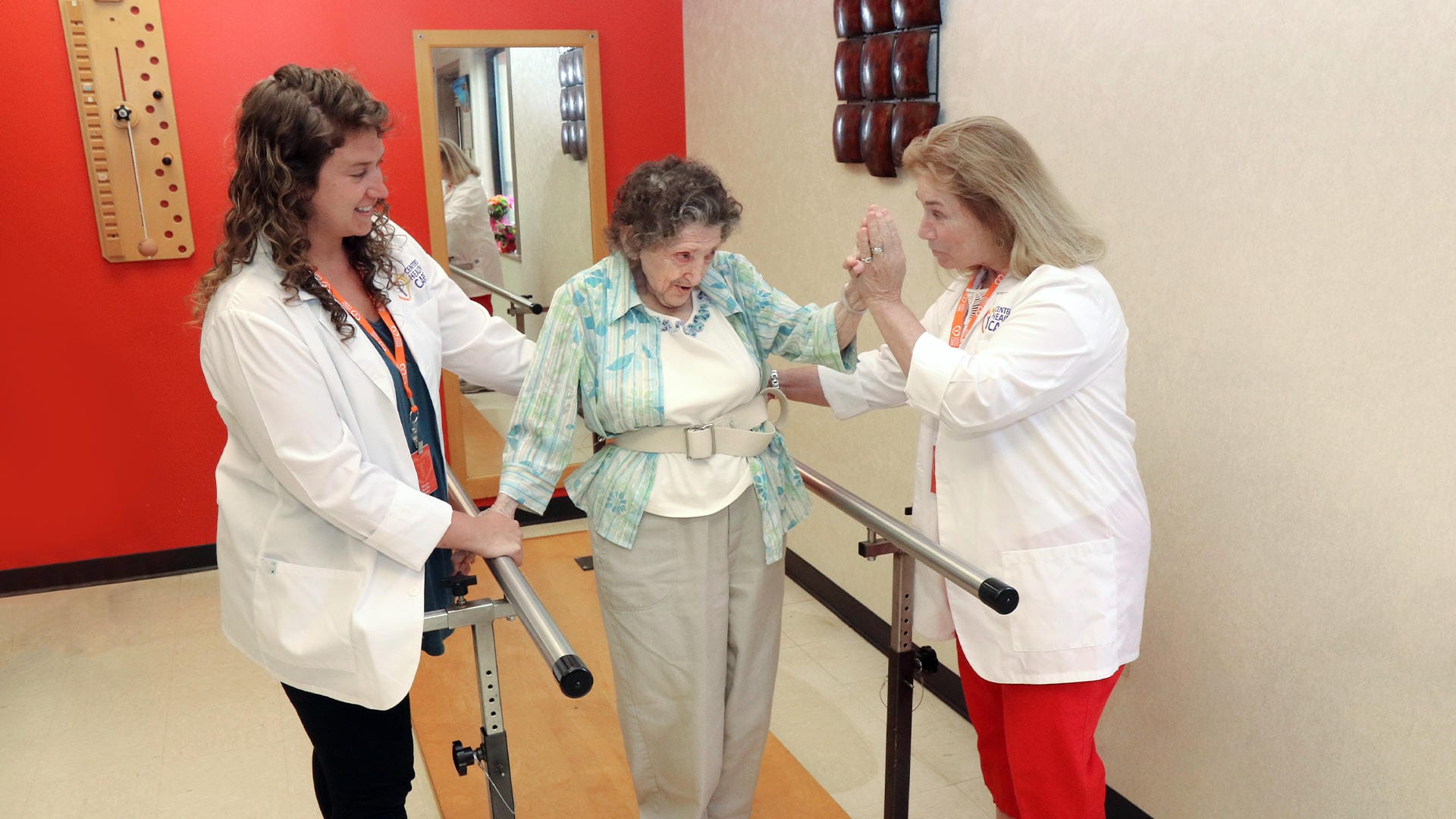
The trip home is built during ordinary rehab moments: getting out of bed safely, using the bathroom, handling a few steps and knowing what to do when pain flares. The team can practice those tasks with the equipment and level of help expected after discharge, while family members learn the plan too. Confidence usually returns in pieces. A senior who knows the next move is less likely to freeze when discomfort appears.
Our Steps to Home series follows patients through rehabilitation and the journey from hospital to home: