Physical Therapy Syracuse NY Before a Trip to the State Fair

People rarely run out of steam beside an empty bench. More likely, it happens halfway across the grounds, with lunch in one direction and the nearest place to sit somewhere else.
This year’s New York State Fair is open in Syracuse from August 26 through Labor Day, September 7. For somebody coming back from surgery or a hospital stay, attending may be one of the first big outings in quite a while. Good. It is worth planning like one. Fairground walking bears little resemblance to a lap down a quiet hallway. There are lines, abrupt stops, noise, sun and plenty of people who are looking at everything except where they are going.
Do the Boring Part at Home
Nobody wants to discuss restrooms while planning a day at the Fair. Discuss them anyway. Find the gate, the first destination and somewhere nearby to get out of the weather.
The Fair’s accessibility map marks parking areas, ramps, restrooms, tram stops, charging locations and equipment rentals. Grab the paper version at the gate too. A screenshot cannot run out of battery, but it can be buried under fifty vacation photos.
Treat the tram as transportation. An ADA shuttle also connects the Gray Accessible Parking Lot outside Gate 10 with the grounds. Check the schedule that morning. Extra crossings add up quickly.
Physical Therapy Syracuse NY Planning Starts With an Honest Baseline
“He can walk” does not answer the important questions. How far before his steps shorten? Can he turn while people pass on both sides? Can he rise from a low bench without pulling on someone’s arm?
Physical therapists may examine gait speed, balance, turning, repeated sit-to-stand ability and walking tolerance. They also watch how breathing, pain and step quality change with effort. A community-outing plan should come from that functional picture.
Try the planned shoes and mobility device before Fair day. New shoes can rub; loose walker brakes need repair. Weight-bearing restrictions, oxygen needs, wound precautions or cardiac limits belong in the clinical plan.
The Mobility Device Has Its Own Packing List
The walker may look like the obvious place to hang a tote. It is not. Weight on one handle can pull the frame sideways. Let a companion carry lunch and souvenirs; the person using the equipment needs room for hands, feet and brakes.
Give the device the inspection people routinely give the car. Do the brakes catch? Are the footrests secure? Is the scooter charged? Worn rubber on a cane tip and smooth flooring are a lousy combination.
Fair rentals should be reserved at least one day ahead; same-day equipment is limited. The device used around the house may not be right for this outing. Ask the therapist before the family is standing at the gate.
Physical Therapy Syracuse NY: Spend Energy on the Good Part
Rest works better before a person is wiped out. Put the breaks on the itinerary, with actual times or locations, instead of waiting for somebody to admit that enough is enough.
Occupational therapy has a handy four-word reminder: plan, prioritize, pace and position. At the Fair, that might mean choosing two favorite stops, riding the tram across the grounds and sitting down for lunch. Park the walker squarely before standing again. Small choices save effort that can be used somewhere more enjoyable.
The feet often tell the truth first. Toes start catching. The walker gets squeezed harder. Standing suddenly takes a second attempt. Treat those changes as information, even if the person insists that one more building will be fine.
The Crowd Keeps Asking for Attention
Someone calls your name. A stroller appears from the left. The sign for the next building is behind you, and the rest of the family has kept walking. None of this is difficult by itself. Together, it can drain a person who seemed perfectly comfortable at home.
Pick a landmark where everyone will regroup if separated. Write the emergency number on a card and tuck it into the visitor’s own pocket. Aphasia may make a hurried conversation harder; a saved phone message can simply say, “I need extra time to answer.”
The pizza stand does not cancel swallowing precautions. Bring food with a texture the speech-language pathologist has already approved. Experiment another day.
The Fair Does Not Control the Thermostat
Read the Syracuse forecast hour by hour. A pleasant trip through the gate can become a hot walk back to the car. Check air quality and the CDC HeatRisk page that morning.
Bring the medication list into the discussion. Does a water pill raise concern about fluid loss? Does anything interfere with sweating? Ask the clinician in advance. Fair morning is no time to rearrange prescriptions.
Use an indoor building before the heat wears everyone down. Sudden confusion means stop. So do faintness, chest pain or unusual breathlessness. Find assistance; call 911 for a severe change.
Physical Therapy Syracuse NY at Bishop Rehabilitation and Nursing
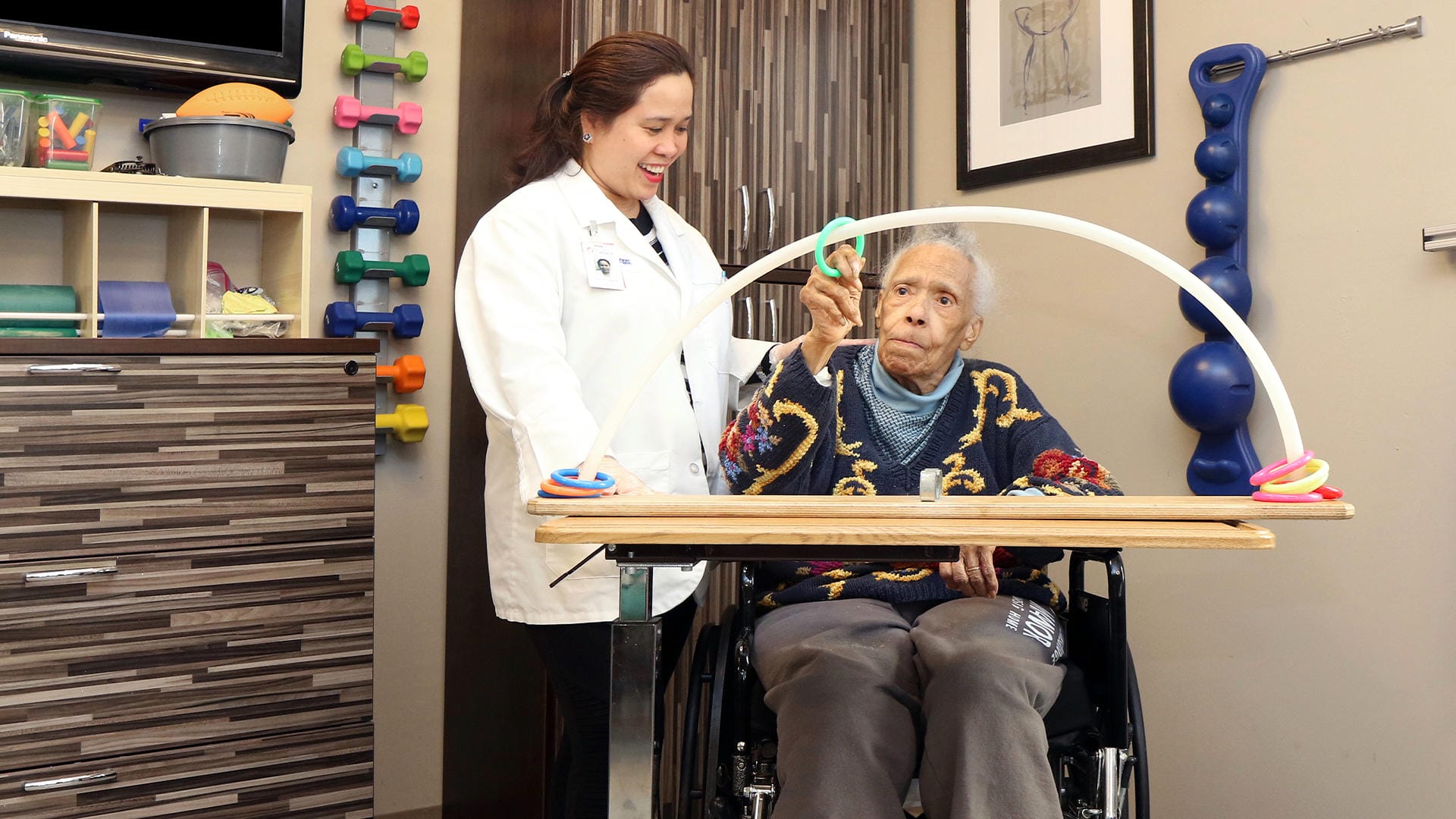
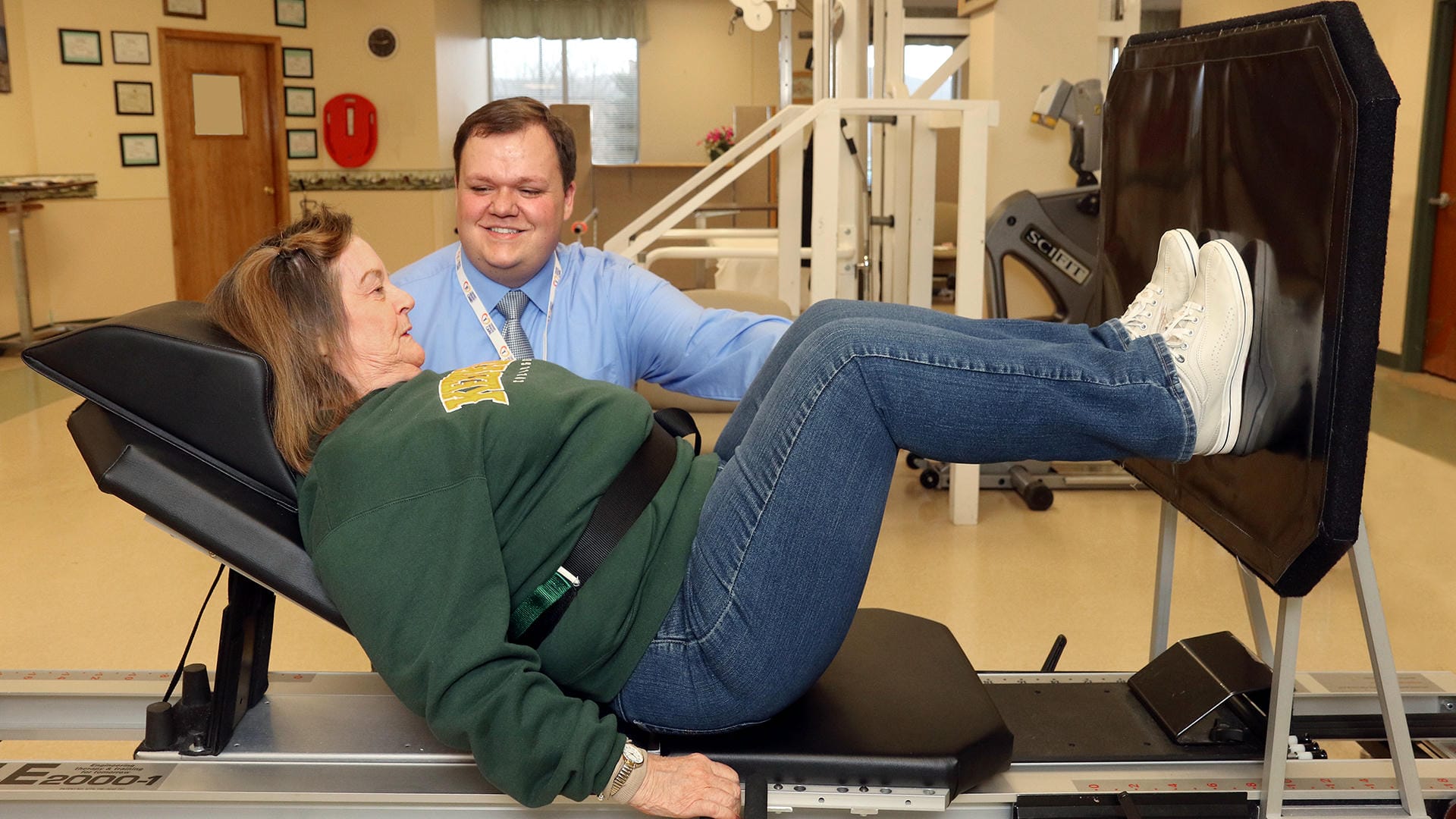
At Bishop Rehabilitation and Nursing on James Street in Syracuse, Physical, Occupational and Speech Therapy can address the skills behind a community outing: walking and transfers, balance, endurance, safe use of a mobility device, self-care and communication. Bishop’s ADL Suite gives patients room to work on everyday tasks in a practical setting. For someone receiving subacute care or recovering after orthopedic surgery, an amputation, cardiac illness or another complex medical episode, “going to the Fair” can become a concrete goal with dozens of smaller skills underneath it.
Care. Support. Positive Outcomes. Centers Health Care.
Hospital discharge papers do not make the front steps lower. A successful operation does not guarantee that dressing will be easy on Tuesday morning. Rehabilitation at Bishop works in that in-between period.
Long-term care has a different rhythm. The aim may be keeping a resident involved, handling a medical condition safely or holding on to familiar abilities. Centers Health Care supports both situations through skilled nursing and rehabilitation.
Useful signs are often small. Standing took two attempts yesterday; today it took one. The walk was five feet longer. A shirt went on with less help. At Bishop, those steps point toward home or a more independent and comfortable day.
Our Steps to Home series follows patients through rehabilitation and the journey from hospital to home: