Recovering Near White Plains Hospital: What Families Should Know About Rehab

A nurse hands over a list. Three names, maybe four, and a deadline of tomorrow afternoon. This is how most families end up searching for rehab near White Plains — not browsing calmly from a laptop at home, but standing in a hallway outside a hospital room with a decision that feels enormous and a timeline that feels insulting.
The list rarely says much on its own. Three names on a piece of paper looks the same whether one of those places has a cardiac monitoring unit and the other doesn’t.
Why Rehab Near White Plains Is a Different Decision Than It Looks
Hospitals patch you up. Rehab is where the actual recovery happens, and that’s a longer, slower process most people underestimate until they’re living it. Those two things require completely different staffing, completely different pacing, and the handoff between them is where things go sideways — a missed dose, a wound left unchanged too long, a fall because nobody adjusted the bed alarm settings. Research published in 2024 in the Journal of the American Geriatrics Society pegged the rate of post-discharge adverse events among older adults at close to one in five within thirty days. A good chunk of that is preventable. The “preventable” part is the whole point.
Cardiac Recovery: What the Quiet Room Image Gets Wrong
Cardiac recovery is where misconceptions run deepest. The image many people carry is rest — a quiet room, soft pillows, maybe some light walking. That’s not what it is. After a heart attack, valve repair, or new pacemaker, the rehab phase stays closely monitored — telemetry running, vitals checked multiple times a day, a dietitian who understands what sodium restriction actually means for someone in heart failure, and PTs trained to ramp activity without tipping a patient into arrhythmia. Cardiac care near White Plains, done right, looks more like a structured clinical protocol than a recovery vacation. Because it kind of is one.
Stroke Rehab and the Window Families Don’t Know About
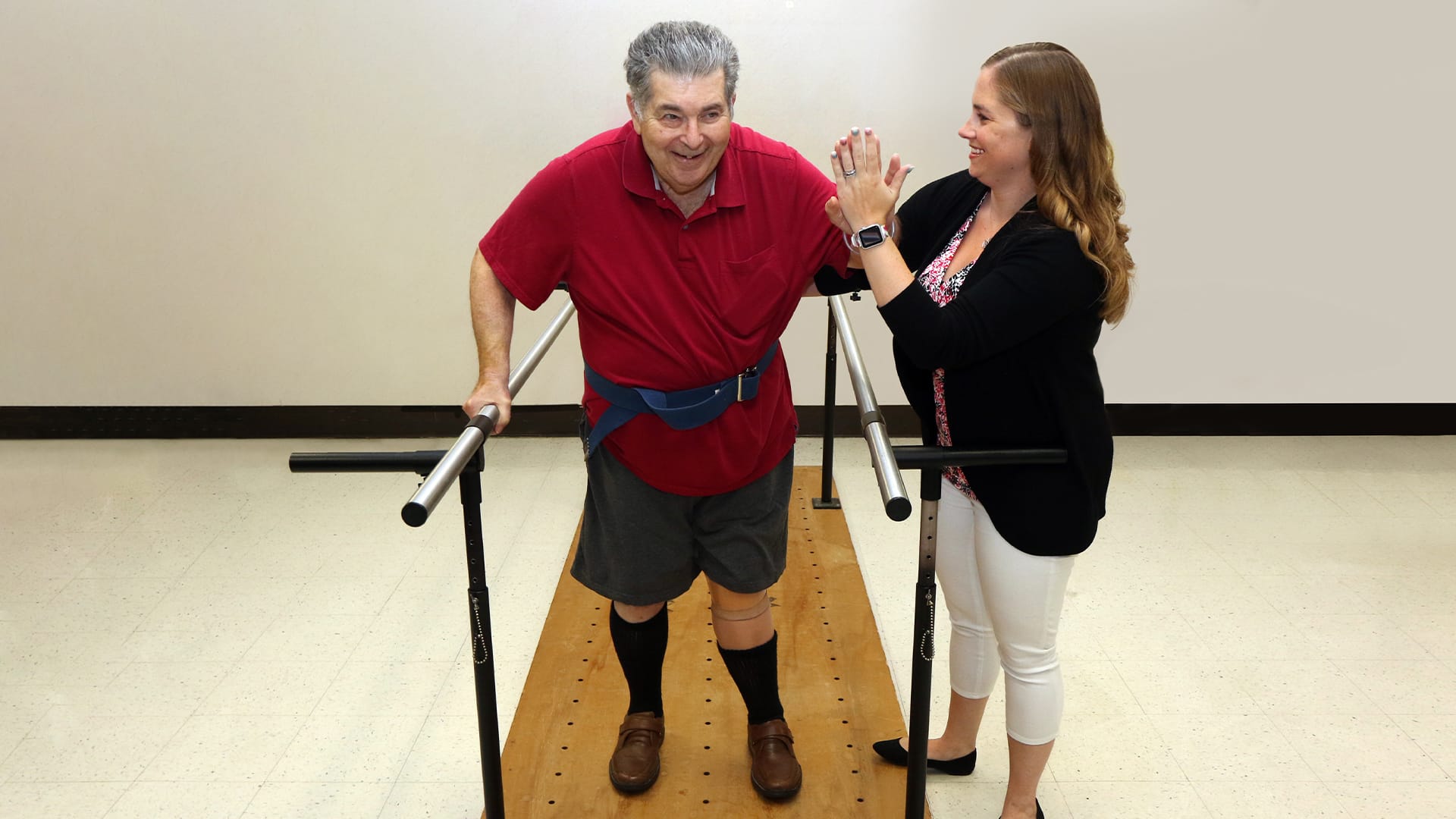
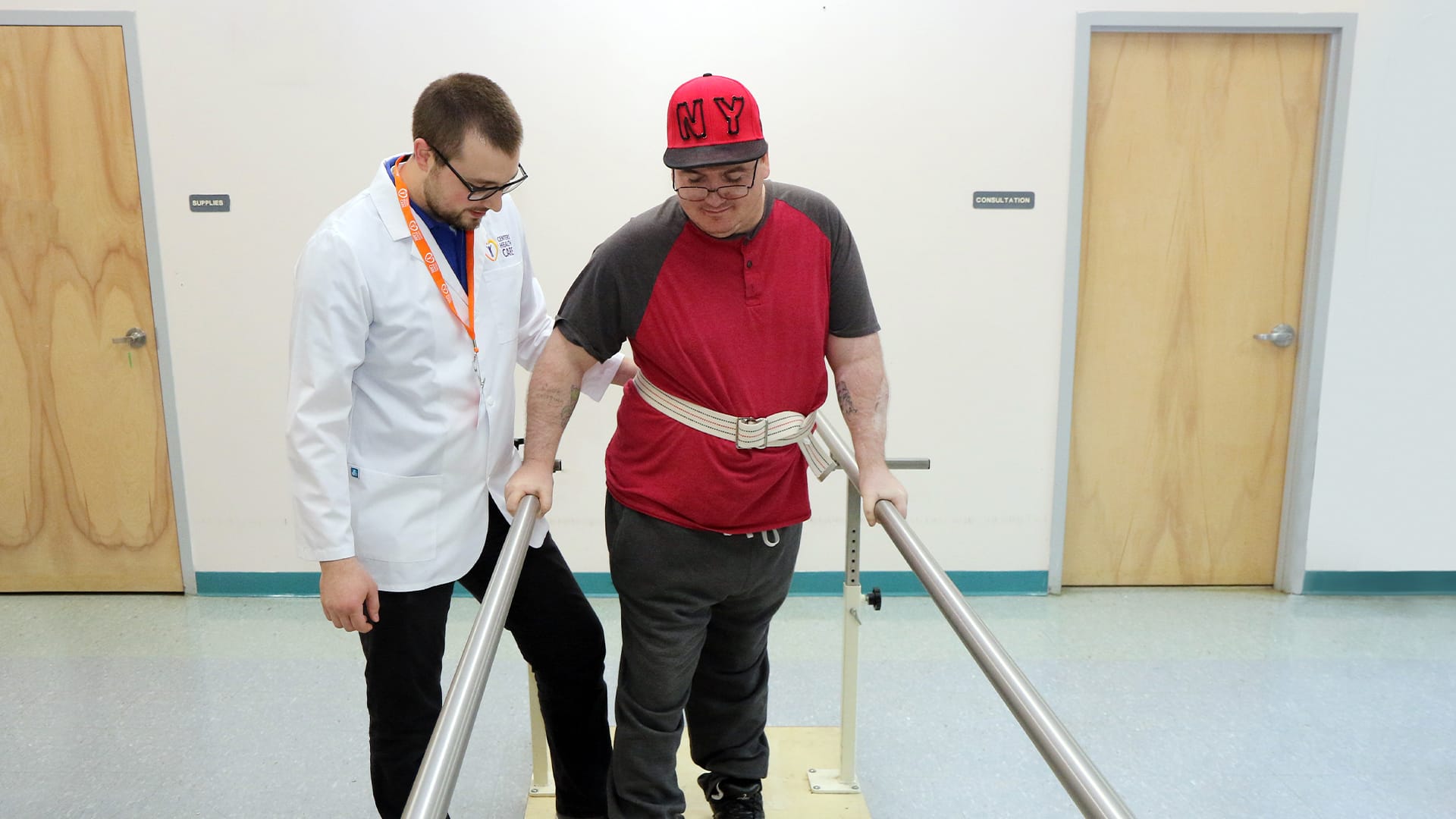
Stroke rehab and recovery has a timing element most families never hear about until they’re in it. The brain’s ability to rewire itself around damaged areas — neuroplasticity, in the literature — is highest in those first few weeks. It’s not a fringe idea. Every major stroke rehab protocol is built around it. PT, OT, and speech therapy working daily and in sync during that window tends to translate into real differences down the line. A patient saying a full sentence again. Holding a cup steady. Walking to the bathroom alone.
A common question is whether outpatient therapy a couple times a week would work just as well early on. It wouldn’t, not in that window. It’s not a knock on outpatient care — it’s just timing, and timing here is everything.
Orthopedic Rehab: Where the Details Actually Matter
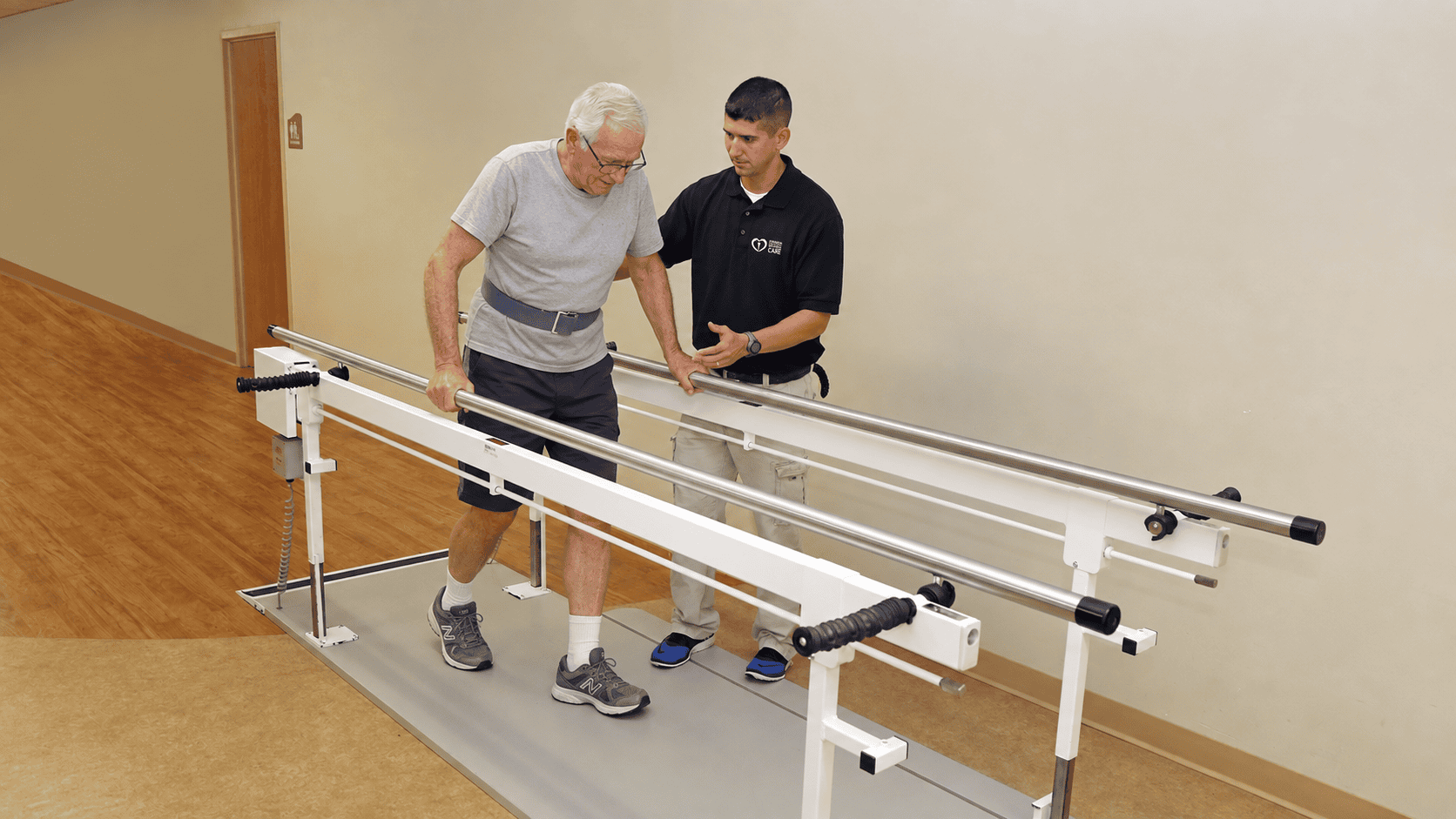
Orthopedic rehab gets treated like an afterthought sometimes, which is strange given how common hip and knee replacements are in this area. Nearly every household knows someone who’s been through one. What separates a smooth recovery from a rocky one usually comes down to the details — weight-bearing restrictions followed correctly, pain managed proactively rather than reactively, mobility goals that step up day by day instead of all at once. After enough hip replacements, a nurse can tell the difference between ordinary post-surgical swelling and something that needs a call to the surgeon almost on sight. It’s not something you pick up from a manual — it comes from having seen it go both ways, many times over.
Wound Care: Ask Who, Not Whether
Wound care gets lumped in with everything else half the time, like it’s a side note to whatever the main diagnosis was. It isn’t. A surgical incision, a pressure sore that started during a long hospital stay, a diabetic ulcer — none of these follow a tidy timeline. Current protocols often lean on negative pressure therapy, dressing choices matched to the wound’s stage, and measurements logged against where things started. Worth asking directly: who handles wound care here? Not whether they do it. Who.
When Short-Term Rehab Becomes Long-Term Care
Long-term care comes up in a different tone entirely, usually because nobody saw it coming. A discharge that doesn’t lead back home changes the whole shape of the planning — staffing, pacing, what success even looks like. It’s not really an extension of short-term rehab planning. It’s its own thing.
What to Actually Look at When Touring a Rehab Facility Near White Plains
Touring a facility is a chance to ask the things a brochure won’t answer. Staff ratios on the specific unit a family member would be on. How often a physician actually rounds — not “is available,” rounds. What the protocol is if a hospital transfer becomes necessary again, and whether there’s an existing relationship with the hospital the patient is coming from. A walk through the therapy gym tends to reveal more than the lobby ever will. Lobbies are designed to look nice. Gyms show what actually happens there.
Pain management threads through nearly everything above — cardiac, ortho, wound care all involve some level of pain control that’s handled thoughtfully rather than just thrown at the problem.
Martine Center: Rehab Near White Plains, Built Around the Transition
Martine Center, located in White Plains, runs a service lineup that maps almost exactly onto what’s described above — Short-Term Rehab, Cardiac Care, Stroke Care, Orthopedic Care, Pain Management, Wound Care, and Long-Term Care, all under one roof. For a family navigating a hospital discharge in Westchester, that kind of consolidation means fewer handoffs and more continuity. The same clinical team tracks a patient from intake through discharge planning, rather than passing them between separate providers who’ve never spoken to each other. More information on programs and admissions is available at Martine Center.
Care. Support. Positive Outcomes. Centers Health Care.
Centers Health Care provides rehabilitation, skilled nursing and long-term care for people with a wide range of needs. Whether someone is recovering from surgery, managing an illness or simply needs more support than can be provided at home, our staff is there to help.
The goal is not exactly the same for everyone. It may be returning home, becoming stronger, staying independent or simply feeling better and more comfortable from one day to the next. There will be progress, setbacks and difficult days along the way. Our job is to be there through all of it, and to help each patient or resident get as far as he or she can.
Sometimes that progress comes in large steps. More often, it comes in small ones. Either way, every step matters.
Our Steps to Home series follows patients through rehabilitation and the journey from hospital to home: