Rehab After a Summer Fall: Rebuilding Strength One Step at a Time

A woman on Latta Road caught her ankle on a garden hose, first week of July. Nothing broke, which everyone treated as good news at the time. Three weeks in she still couldn’t get off the couch without both hands on the armrest, and her daughter called the facility twice asking when that was supposed to stop. It depends who you ask. Some people are steady again in ten days. Her mother took until September, and honestly the hose wasn’t really the reason — she’d been slowing down for a year before that, the fall just made it visible to everyone else.
Rochester goes through this every year. Wet pool decks, uneven sidewalks near the canal path, a step down that used to be no problem. ER visits spike. Then the harder work starts somewhere else — a rehab floor, usually, weeks after the actual incident, once swelling’s down and someone’s finally cleared for movement again.
The First Two Weeks Are Not About Strength
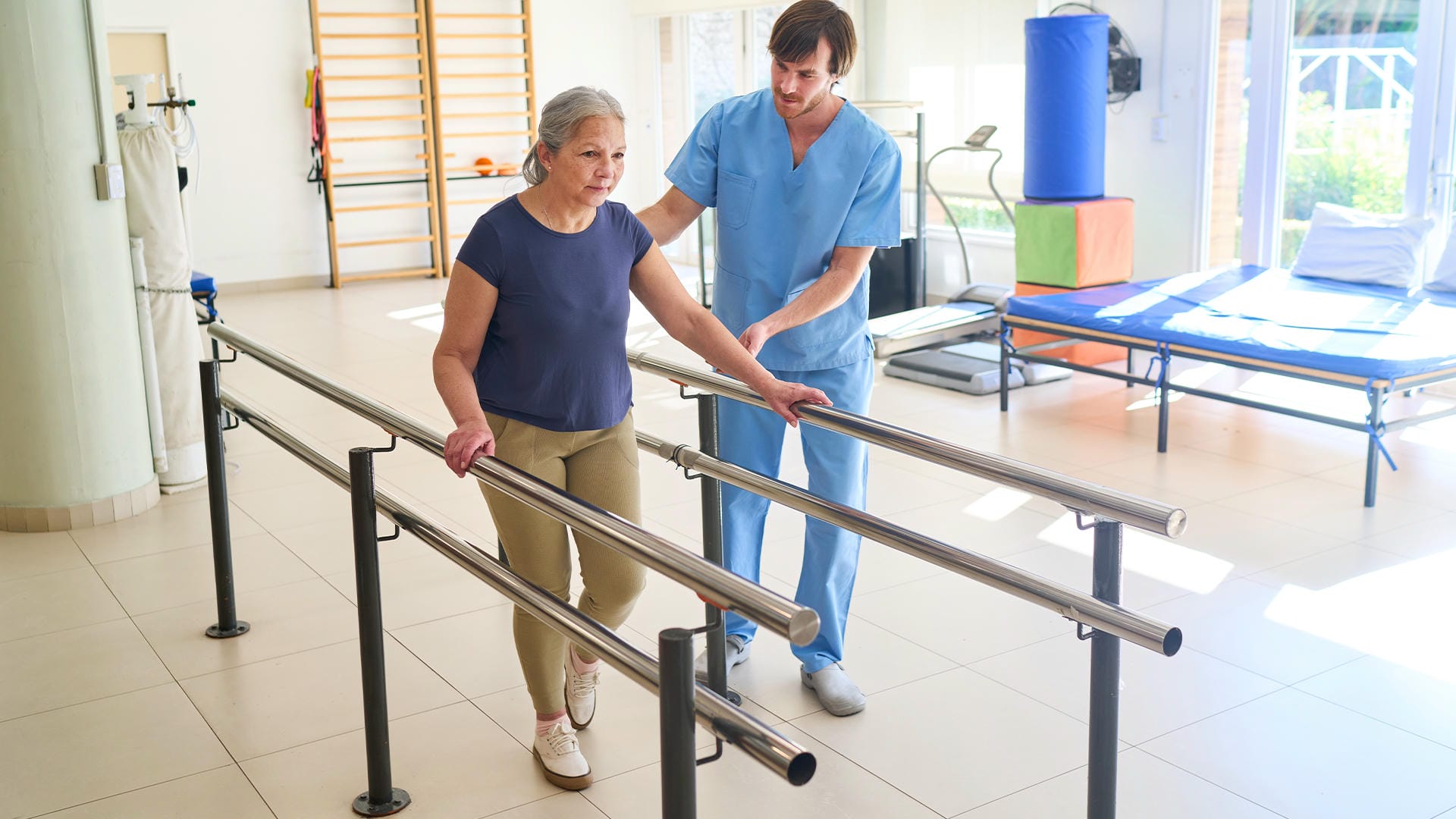
Everyone assumes rehab, whether it’s short-term rehab or long-term care, means lifting something heavier every week. It doesn’t, not at first. The early sessions look almost insultingly simple — seated marches, ankle circles, someone counting how long a patient can hold a standing position near a rail. There’s a reason for that. A five-times sit-to-stand test tells a therapist more about fall risk than an MRI does in some cases. Anything past twelve seconds and the whole plan shifts toward balance work before anyone touches resistance bands.
Pain gets managed alongside all this, not resolved first and then set aside. Ice, modalities, sometimes medication under a physician’s direction. The goal was never zero pain. It’s enough control that a person shows up to therapy instead of skipping it, because missed sessions cost more ground than the original injury did. Muscle doesn’t wait around patiently in an 80-year-old body. It disappears fast, within days of sitting still.
Fractures Behave Differently Depending on Where They Are
Hip fractures and wrist fractures aren’t the same recovery, not close. A hip might mean three to six months before someone’s walking without help and actually trusting their own legs again. A wrist clears in six to eight weeks, usually, with occupational therapy doing most of the heavy lifting there instead of physical therapy. Age changes both timelines. So does whatever mobility existed before the fall — someone who was already using a cane starts from a different place than someone who was gardening unassisted the week prior.
Stroke enters the picture more often than people expect. A fall isn’t always just a fall. Sometimes it’s the first visible sign that something neurological happened first — a weak side, a gait that suddenly doesn’t track straight. Clinicians watch for that instead of assuming mechanics explain everything.
Progress That Doesn’t Move in a Straight Line
Programs like Otago — balance drills, structured strengthening, tandem walking, stepping in directions that feel awkward on purpose — cut fall rates by roughly a third in people who’ve already fallen once. That’s not nothing. It’s also not magic. Progress in these programs looks like two steps forward, one sideways, occasionally backward for no clear reason on a bad pain day.
Nutrition matters more than most families think about. Appetite drops when mobility drops — nobody feels like eating a full meal when getting to the kitchen itself is the hard part of the day. Protein intake feeds the muscle rebuilding that strength training is trying to trigger in the first place. Skip that piece and the exercises work twice as hard for half the result.
Wounds complicate things further when surgery was involved. Incision checks, infection watch, movement restrictions layered on top of a rehab schedule that’s already juggling three other priorities.
Rochester Center’s Role in This
Rochester Center runs orthopedic care, pain management, and short-term rehab under one team, plus cardiac care, stroke care, wound care, and long-term care for cases where more than one system is involved at once. Plans get built around whoever’s actually in the bed, not a generic six-week script pulled off a shelf. Somebody recovering fast gets pushed faster. Somebody stalling gets more time before the next progression, without anyone treating that as failure.
Steps to Home
Before anyone leaves, someone walks through the actual house on paper first. Stairs. Bathroom setup. Rugs that need to disappear. Hallway lighting that seemed fine before but suddenly matters at 2 a.m. A walker goes home with some patients for a month. Others need it for a year. A few never touch it again after the first week back.
Outpatient sessions taper off gradually instead of stopping on a set date, usually once someone’s holding steady for a few weeks running. Families end up doing more of the actual work than they expect. Not the exercises themselves — mostly just paying attention, noticing when a knee buckles a little on the stairs or when someone’s avoiding the bathroom at night because they don’t trust their footing there anymore. Nobody circles a date on the calendar for when a fall is officially behind them. It just eventually stops being the first thing anyone mentions when her name comes up.
Our Steps to Home series follows patients through rehabilitation and the journey from hospital to home: