Rehab in the Bronx: Planning a Safer Transition After a Hospital Stay

Somebody hands you a folder. Discharge instructions, a list of medications, maybe a phone number for a case manager who’s already moved on to the next patient. You’ve got two days, sometimes less, to pick where a parent or spouse spends the next few weeks. Nobody prepares you for that part.
Westchester complicates things geographically in a way people don’t expect until they’re in it. The Bronx sits between several hospital referral networks, and the name that gets mentioned in a rushed hallway conversation isn’t necessarily the right fit. A knee replacement and a stroke are different animals. Recovery for one has almost nothing to do with the other, structurally, medically, timeline-wise. Yet the same three names get handed to everyone.
Rehab in the Bronx Isn’t One Thing
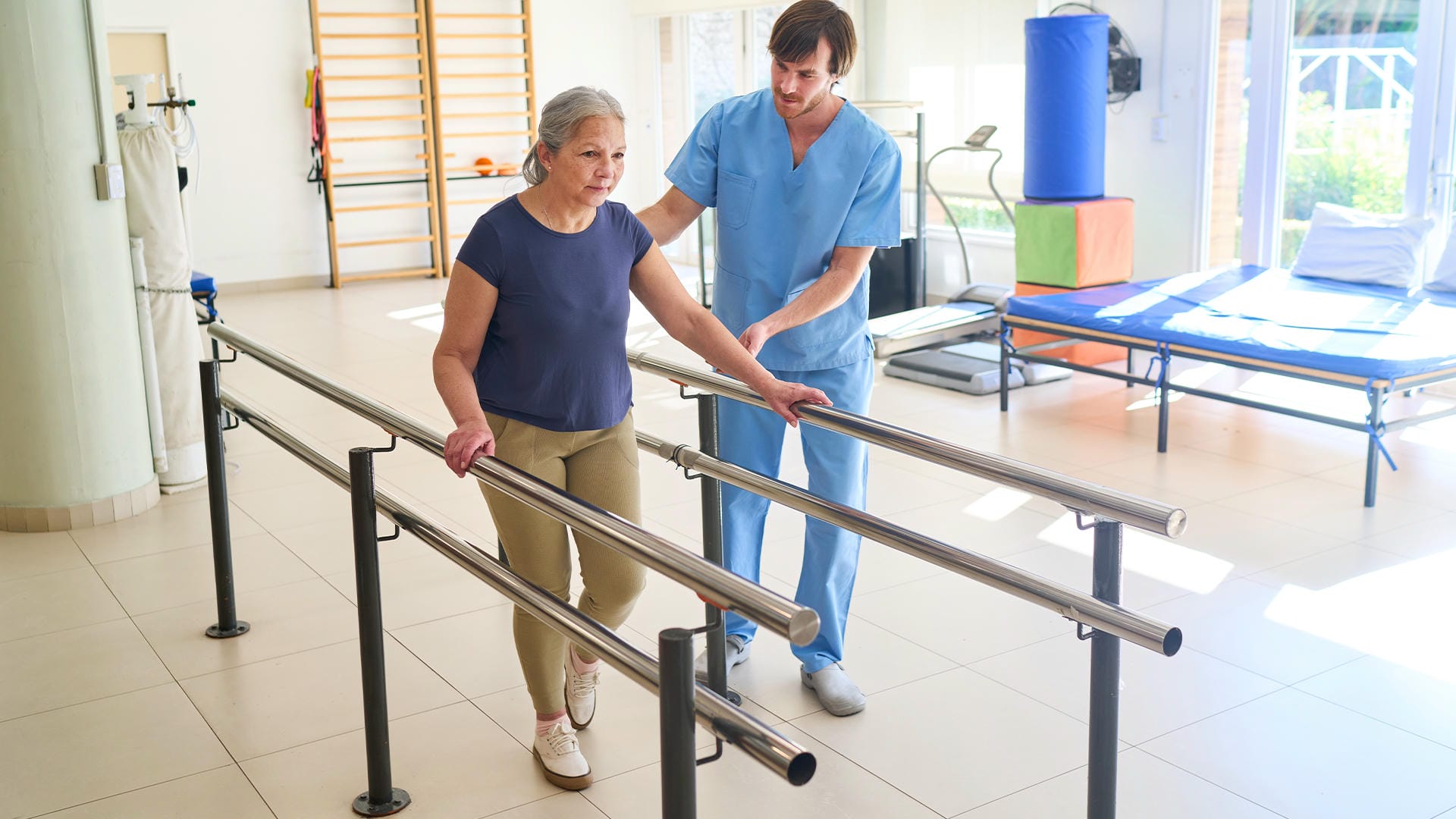
People picture rehab as a waiting room with a TV bolted to the wall. It’s closer to a schedule built around the body’s actual constraints. One to three hours of PT and OT a day is typical for short-term stays, timed around meals and meds, adjusted constantly.
Take a hip replacement. Surgeons set weight-bearing milestones — partial, then full, on a defined timeline — and therapists chart gait and range of motion against that, not against a gut feeling. Stroke works on a completely different rhythm. Dysphagia screening in the first 24 hours isn’t optional; silent aspiration is a genuine danger, and speech-language pathology gets pulled in fast when swallowing’s compromised. Recovery curves after stroke are steep early and flatten out later, so therapy intensity front-loads hard in week one, then tapers.
Cardiac’s its own puzzle. Telemetry monitoring runs alongside every session because pushing someone too hard, too soon after a cardiac event, creates a second problem on top of the first. Vitals before, vitals after. Pacing isn’t a suggestion.
The First 72 Hours Do Most of the Damage or Prevent It
Falls cluster in the days right after a transfer. New room, new furniture layout, medications still settling, muscles that spent a week in a hospital bed doing nothing. A facility that runs fall-risk screening on day one — not day five, once someone finally gets to it — catches problems before they become incidents.
Wound care runs on the same clock. A stage two pressure injury ignored for 72 hours can become a stage three, and once that jump happens, closure timelines stretch out considerably. Turning schedules, staging assessments, negative pressure therapy where indicated — all of it needs to start on admission.
Choosing Rehab in the Bronx That Matches the Diagnosis, Not Just the Zip Code
Nobody asks this question and it’s the one that matters most. A brochure listing six services tells you nothing about staffing depth during peak therapy hours, or which of those six the facility built its clinical muscle around. Stroke rehab and orthopedic rehab pull from different protocols entirely. A place set up for cardiac pacing isn’t automatically ready for aggressive post-stroke gait training.
Ask directly. Ask who’s on shift during the hours therapy actually happens, not just what’s printed on a services page.
Hope Center Brings the Range Together
Hope Center doesn’t split its care lines into separate units chasing separate charts. Short-Term Rehab, Stroke Care, Orthopedic Care, Pain Management, Wound Care, Long-Term Care — six programs, one clinical team reading the same notes. Useful, because real patients rarely show up with one tidy diagnosis. A stroke patient develops a pressure wound three weeks in. A hip replacement needs pain management that outlasts the standard post-op window. Somebody’s managing a long-term condition while also recovering from something acute. When those overlaps happen inside separate buildings, families end up as the messenger between departments, relaying updates nobody bothered to share directly. Hope Center keeps that conversation internal. Search rehab in the Bronx and you’ll find plenty of single-specialty options; fewer places built to handle a patient whose needs don’t sit neatly in one column.
Care. Support. Positive Outcomes. Centers Health Care.
Rehabilitation, skilled nursing, long-term care — Hope Center runs all three, built around whatever a patient actually needs rather than a fixed script. Someone coming off a stroke needs something entirely different from someone managing a chronic condition at home who just needs a bit more support than family can give day to day. Staff adjusts to that instead of the other way around.
No two people leave the same way. For one it’s walking out the front door under their own power. For another it’s holding steady, not losing ground, staying independent a while longer. Setbacks happen. A physical therapy session that felt impossible on Monday goes better by Thursday, then worse again the following week — recovery rarely moves in a straight line, and Hope Center’s staff sticks around for the whole uneven stretch of it, not just the good days.
Sometimes that progress comes in large steps. More often, it comes in small ones. Either way, every step counts.
Steps to Home
Discharge planning shouldn’t wait until discharge is imminent. It starts weeks out, ideally — therapists walking through what the actual home looks like, stairs, bathroom layout, whether someone’s coming back to an empty house or a full one. Equipment gets ordered before it’s needed, not scrambled for the morning someone’s ready to leave. Follow-up appointments get locked in before anyone walks out the door. Rehab in the Bronx only does its job if it’s built as one link in a longer chain, not a stop that ends the day the paperwork’s signed.
Our Steps to Home series follows patients through rehabilitation and the journey from hospital to home: