Skilled Nursing After Complex Illness: What Recovery Can Still Look Like

A pneumonia admission and a stroke admission can land in beds ten feet apart and need almost nothing in common from the staff treating them. One resident is rebuilding lung capacity and stamina. The other is relearning how to form a sentence. Skilled nursing after illness gets talked about like it’s a single lane — eat better, move more, go home stronger — and that’s mostly true for a hip fracture. It stops being true the second the illness is systemic, or neurological, or hit the heart.
Cardiac patients recovering from an event or a procedure aren’t just “resting.” Staff track fluid balance obsessively, because a few extra pounds of retained water shows up on a chart before it shows up as breathlessness. Blood pressure gets checked constantly, medication timing gets adjusted against activity level, and a resident who feels fine on Tuesday can look different by Thursday for reasons that have nothing to do with effort. Complex illness recovery runs on numbers as much as on how someone says they feel, sometimes more.
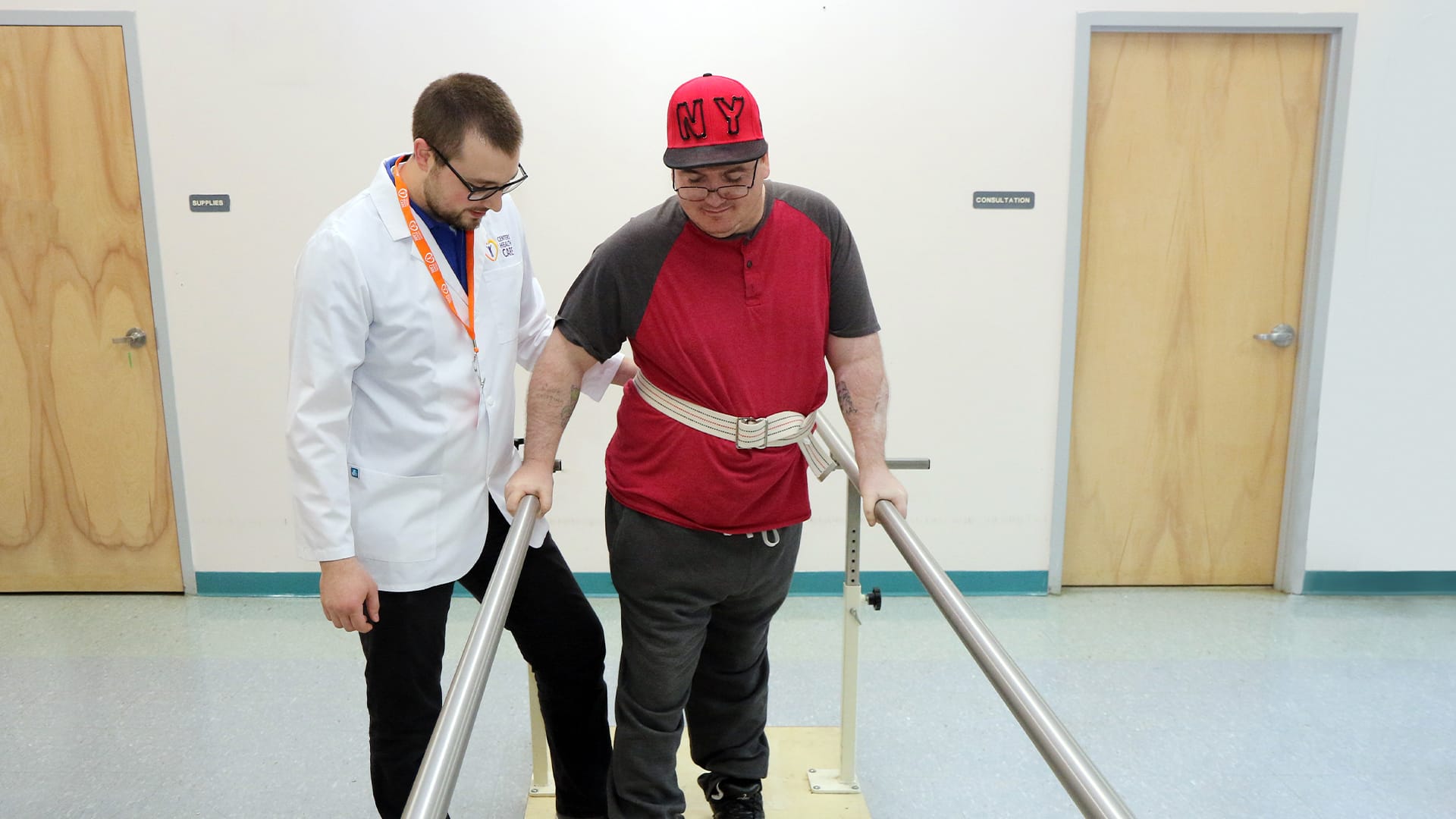
Stroke recovery works on a clock nobody controls. The first months after a stroke carry the steepest window for regaining speech and movement, and losing therapy days to a secondary complication — a fever, a fall, exhaustion nobody caught early — costs ground that doesn’t come back on the same schedule it left. A resident who seemed to plateau in week four sometimes breaks through in week six, and nobody can tell you in advance which residents do which.
Wound care complicates almost everyone else’s recovery quietly, in the background. A resident recovering from a serious illness who’s also managing a surgical wound or a pressure injury needs positioning schedules and dressing changes that don’t pause for the rest of their rehab, especially short-term rehab. Skin doesn’t wait for someone to finish physical therapy first. Staff coordinate the two simultaneously or the wound wins.
Pain management after complex illness gets underestimated constantly. Pain that isn’t controlled well enough keeps people from participating in therapy at all, and undertreated pain in a resident recovering from cardiac or stroke events specifically raises stress hormones that work against healing. It’s not about comfort as an afterthought. It’s closer to a precondition for the rest of the recovery to function.
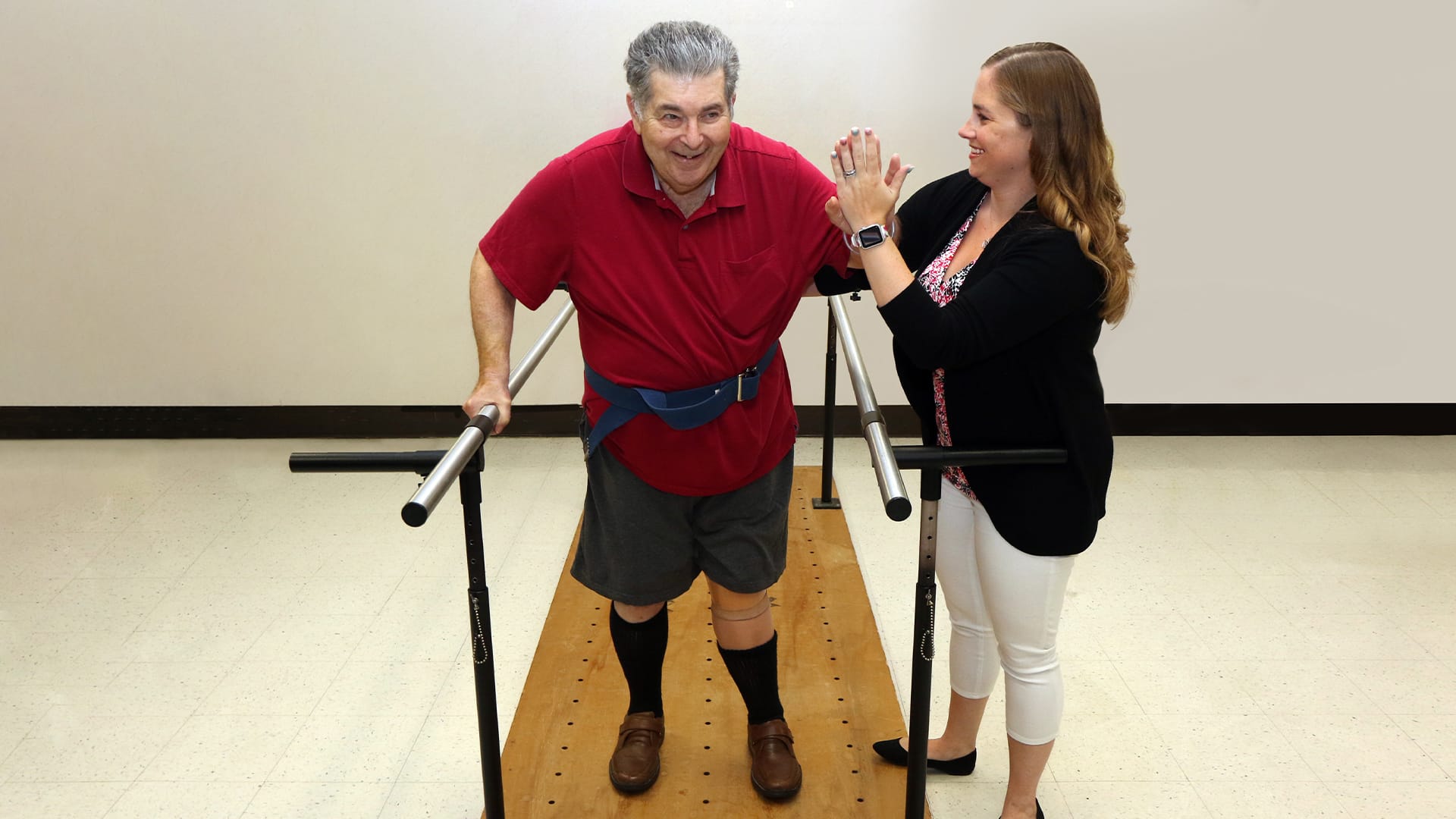
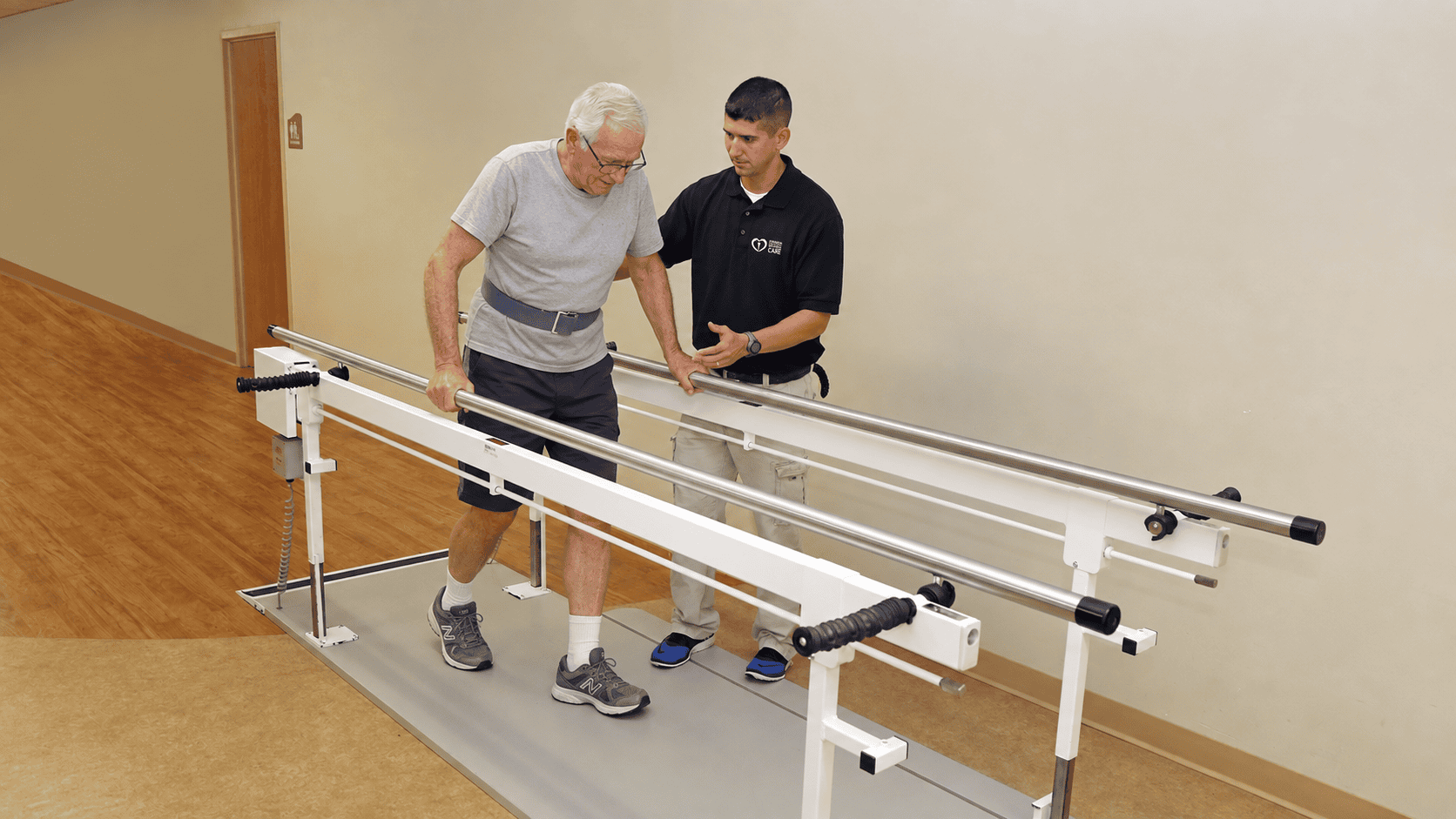
Orthopedic recovery layered on top of any of this gets harder to sequence, not easier. A resident with a fracture and a cardiac history needs a physical therapist and a cardiac-aware care team reading the same numbers before pushing mobility further. Push too early and the heart pays for it. Wait too long and the joint stiffens past what PT can undo quickly.
Most residents here aren’t dealing with one thing. A stroke and a cardiac history and a wound picked up somewhere in a three-week hospital stay — that’s a fairly ordinary combination, not a rare one. Three protocols, running at the same time, and if they’re not read off the same chart by the same people, something gets missed. Not dramatically. Just a blood pressure trend nobody connected to a dressing change schedule until a week later than it should’ve been caught.
Richmond Center covers Short-Term Rehab, Cardiac Care, Stroke Care, Wound Care, Pain Management, Orthopedic Care, and Long-Term Care, all under one staff. A resident coming off a cardiac event with a wound still healing and pain that hasn’t settled doesn’t get bounced between departments for it. One team sees all three. Whether that catches a problem early or lets it slide usually comes down to whether anyone’s actually looking across the whole picture instead of just their own piece of it.