Skilled Nursing After Complex Illness: What Rehab Can Still Do
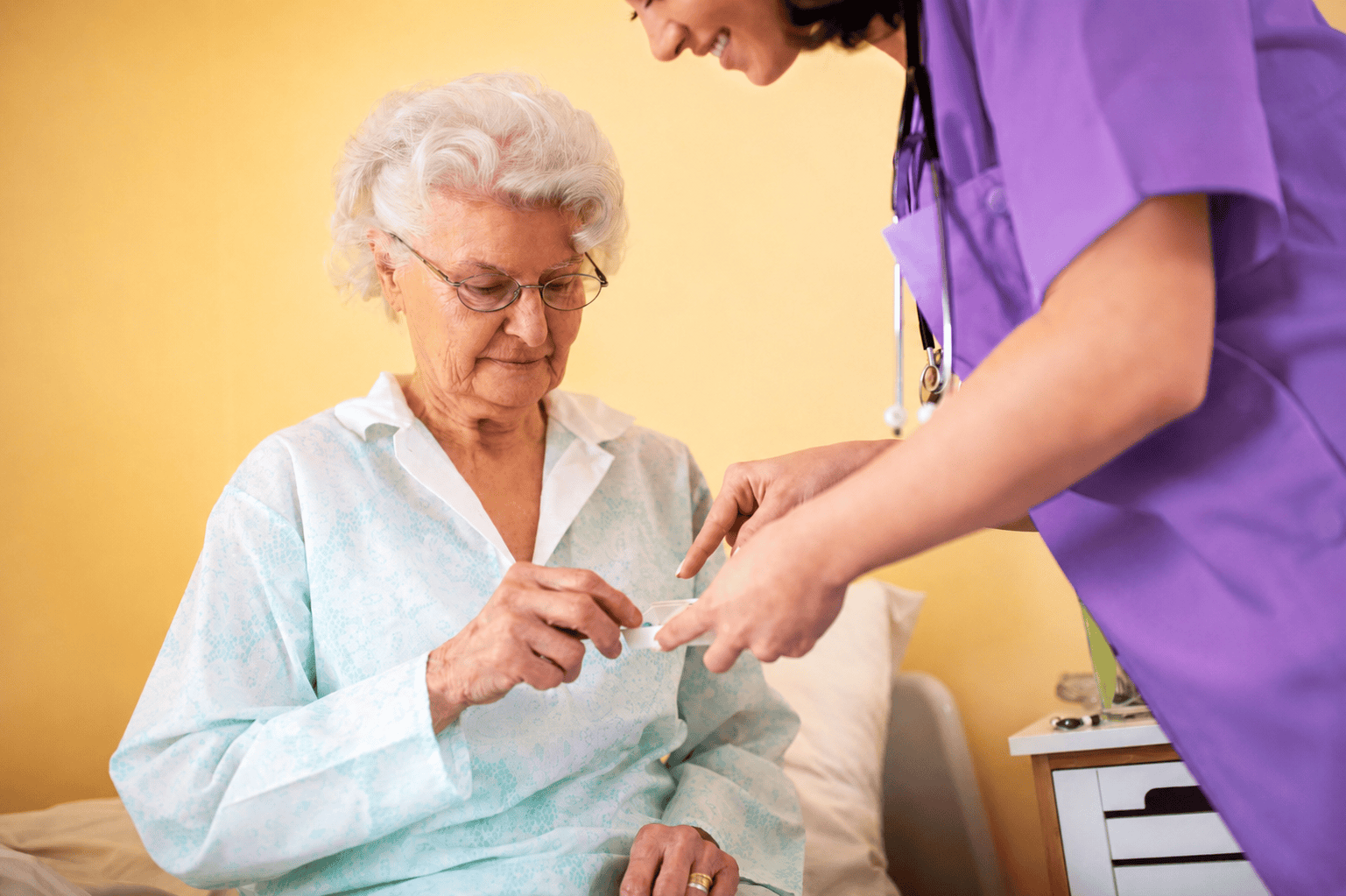
The discharge papers say “follow up in two weeks.” What they don’t say is that two weeks from now, your family member still can’t stand up from a chair unassisted, has a wound that needs daily attention, and is running out of whatever reserve they had left in the hospital. A skilled nursing facility isn’t the next stop after medicine gives up. It’s where medicine gets specific.
Complex illness rehab inside a SNF looks different from a hip replacement recovery. The protocols aren’t identical, the pacing isn’t linear, and the disciplines involved don’t hand off cleanly from one to the next. A patient coming out of a serious cardiac event brings a different risk profile than someone post-stroke — different monitoring requirements, different thresholds for exertion, different failure modes if the team misreads fatigue for improvement. Lumping these under “rehab” undersells the clinical granularity involved.
Why Complex Illness Rehab Requires More Than Therapy Hours
The standard inpatient rehab model assumes a patient who can tolerate three or more hours of therapy daily. Many post-acute patients recovering from medically complex conditions can’t. Not initially. Heart failure exacerbations, COPD flares, post-surgical complications, serious infections — these leave people depleted in ways that don’t resolve on a hospital timeline.
Nobody hands you a roadmap at discharge. The chart gets filed, the bed gets cleared, and suddenly the practical question is what happens between “left the hospital” and “well enough to be home.” Twenty-four-hour nursing coverage handles the 2 a.m. moments — the oxygen dip, the wound that’s doing something it wasn’t doing yesterday — but the more important piece is what happens in the hours before that. Therapists in a SNF setting aren’t running patients through a fixed protocol. They’re reading what that person actually has that day and adjusting accordingly.
Pain management matters more in this population than people typically acknowledge. Uncontrolled pain doesn’t just make rehab sessions harder — it suppresses participation, disrupts sleep, and slows functional return across the board. Structured pain management protocols in a skilled nursing environment address this as a clinical variable, not an afterthought.
What the Evidence Shows About Complex Illness Rehab in SNF Settings
Patients appropriate for SNF-level care include those with CHF, post-COVID-19, COPD and diabetes exacerbations requiring ongoing monitoring, wound care above stage 2, orthopedic surgery with complications, strokes requiring mobility recovery, infections requiring IV antibiotics, and a range of neurological illnesses — specifically those who demonstrate potential for significant functional gains but can’t yet tolerate a higher-intensity inpatient rehabilitation environment.
Stroke care is a good case study in what skilled nursing can accomplish at a clinical level. The American Heart Association developed a Skilled Nursing Facility Stroke Rehabilitation Certification that establishes evidence-based requirements across program management, patient and caregiver education, care coordination, clinical management, and quality improvement — because when evidence-based processes are in place at every phase of care, patients have the best opportunity for positive outcomes. That framework doesn’t exist because SNF stroke care is marginal. It exists because SNF stroke care, done rigorously, is where a lot of patients actually recover.
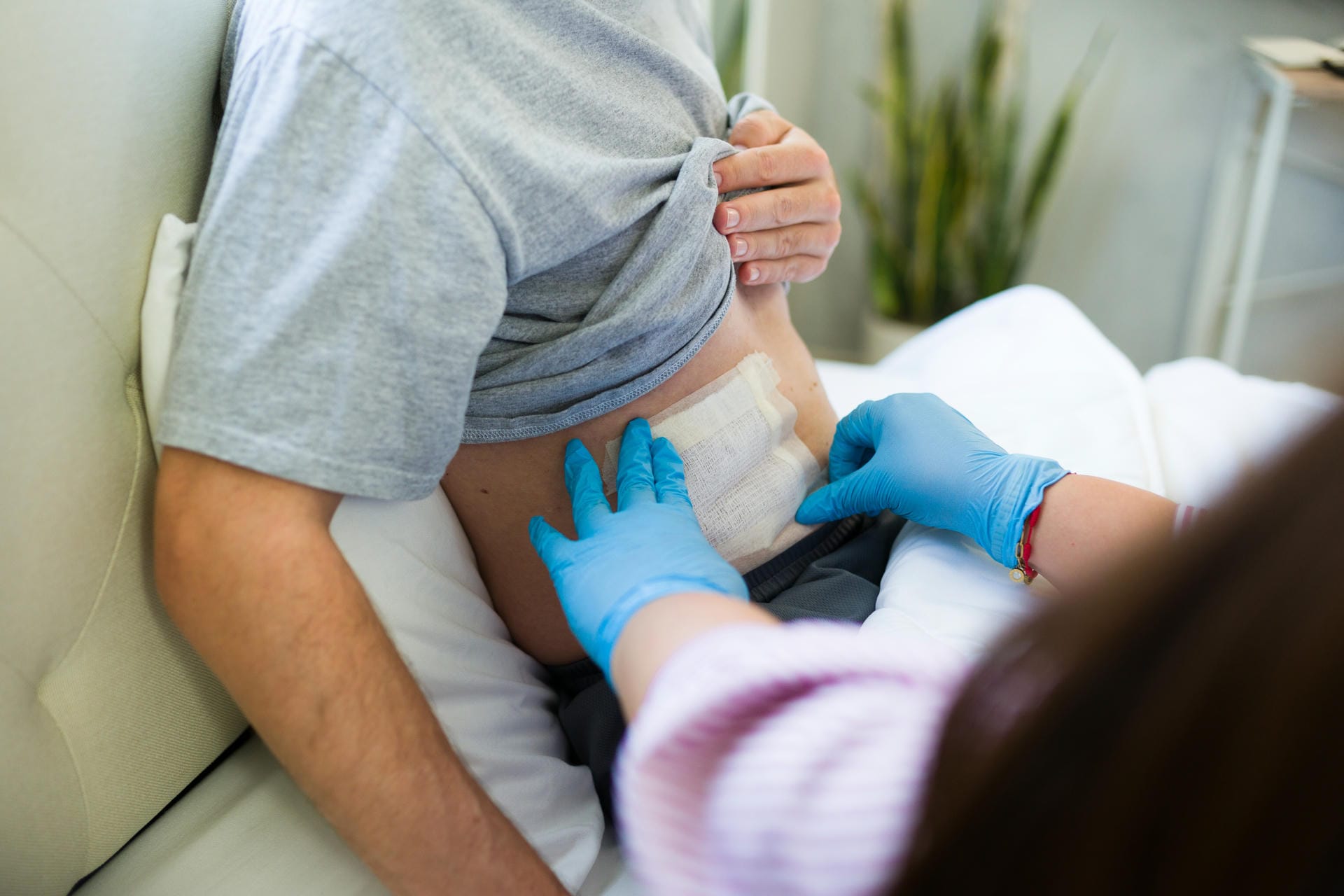
Wound care in this setting is more sophisticated than it sounds. Skilled nursing facilities managing complex wounds — including serious post-surgical abdominal wounds — have demonstrated the ability to resolve cases that initially seemed to require transfer to higher-acuity environments, through the combination of specialized wound care physicians and dedicated wound care nursing staff executing structured care plans. That’s not incidental. It reflects what a facility with the right clinical infrastructure can absorb.
The Disciplines Involved in Complex Illness Rehab
Calling it cardiac rehab undersells the coordination. A cardiologist consulted by phone is not the same as a nursing team that has watched the same patient push through a transfer from bed to chair six times this week and knows exactly where he starts to flag. Exertion tolerance doesn’t improve on a schedule. Physical therapists track it session by session; nurses document the vitals response; physicians revise orders based on what those numbers actually show. Research on structured nurse-led cardiac programs has found meaningful gains in functional capacity — walking distance, cardiovascular endurance — over routine care, and that gap comes down to how closely the clinical team is actually watching.
Post-illness orthopedic recovery has a layer most people don’t account for. Three weeks flat in a hospital bed does something to a person’s baseline that has nothing to do with the surgery. Muscle atrophy starts fast in older adults — some studies put meaningful loss inside the first week of immobility. So the therapist working with someone post-hip repair isn’t just rehabbing the hip. There’s a whole body that arrived deconditioned. Occupational therapy handles the part physical therapy doesn’t: the sink, the shower bench, the four steps up to the front door. Those aren’t afterthoughts. They’re the actual criteria.
Speech-language pathology enters for patients post-stroke or following extended intubation. Swallowing dysfunction, cognitive sequelae, aphasia — these affect nutrition, safety, and self-advocacy. Leaving them unaddressed slows everything else.
Short-Term Rehab After Complex Illness: What the Goal Actually Is
“Short-term” is a billing category. What it means clinically is that every care plan has a direction: toward discharge, toward independence, toward whatever realistic baseline this particular patient can reach. The interdisciplinary team is reverse-engineering from that target — not filling days. Sometimes the picture changes. A patient who entered expecting to go home in three weeks develops a complication, or imaging turns up something new, or the family situation shifts. The plan adjusts. That’s not a failure of the model. It’s the model working correctly.
Some patients transition to long-term care when the clinical picture makes discharge inadvisable. That decision gets made by the team and the family together, based on where the patient actually is, not on an arbitrary timeline.
The version of skilled nursing that existed twenty years ago — purely custodial, low-stimulus, essentially warehousing — isn’t what a serious facility runs now. The clinical expectations are different. The documentation requirements are different. And the patient population arriving post-hospital is more medically complex than it’s ever been.
About Richmond Center
Richmond Center provides short-term rehab, cardiac care, stroke care, wound care, pain management, orthopedic care, and long-term care for patients across a full range of post-acute needs. The facility’s clinical programs are structured for patients coming out of complex medical events who need more than rest to recover. Learn more at Richmond Center.