Wound Care After Hospitalization: What Families Should Know
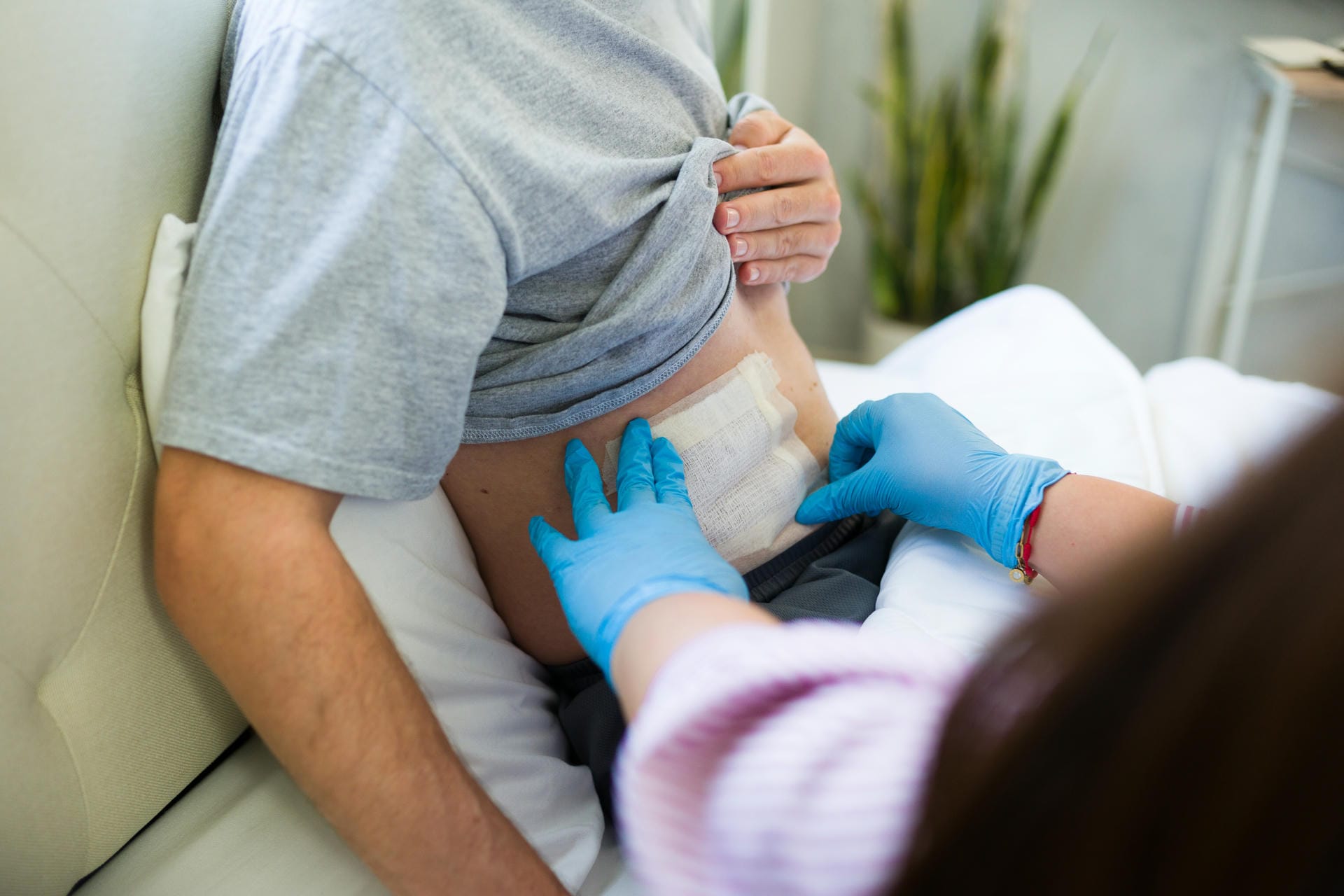
Discharge paperwork is a lot. There’s a folder somewhere, instructions printed in a font nobody asked for, a nurse going over things quickly because three other patients are waiting. And somewhere in that stack is a wound care protocol your family is now responsible for following at home — for a surgical incision, a pressure injury, a diabetic ulcer, whatever it was. The assumption baked into discharge is that someone at home will figure it out. That assumption fails people regularly.
Why Wound Care After Hospitalization Goes Wrong
Hospitals treat the acute event. What happens in the weeks after is a different clinical situation entirely, and the gap between those two phases is where complications develop. Surgical sites can look fine for several days and then turn. Pressure injuries acquired during a long inpatient stay don’t always announce themselves clearly at discharge — what looks like redness over a bony prominence can be a Stage 2 pressure injury already in progress.
The National Pressure Injury Advisory Panel revised its staging definitions specifically to capture soft-tissue damage that occurs without a visible open wound. Stage 1 and deep tissue injuries can be present and not recognized by a family member — or, frankly, by anyone who isn’t doing a structured skin assessment. When families are handed wound care responsibilities without training, the miss rate is not zero.
Three days post-discharge, the wound looks fine. Day five, the patient mentions it feels warm. Day seven, there’s a smell. That sequence — unremarkable to concerning in under a week — is not rare. Cognitive changes in older adults get chalked up to fatigue, sleep disruption, the general fog of recovering from something serious. They can also be early sepsis. Green or black discharge, redness visibly tracking outward from the wound margin, fever that arrives without obvious cause: none of these are wait-until-the-morning situations. The problem is that families often don’t know which signs to prioritize, so they prioritize none of them until it’s obvious — and obvious is late.
What a Proper Wound Care Plan Actually Includes
“Change dressing daily” is not clinical guidance. It’s a reminder. The actual information — wound type, appropriate dressing material, cleansing method, what deterioration looks like and at what point to call someone — rarely makes it into discharge paperwork in any usable form. That gap isn’t an accident. Hospitals are built around the acute episode. What a wound needs three days after discharge is a different problem, and discharge planners aren’t always resourced to address it thoroughly. So families get a sentence and a supply list and are expected to extrapolate. Some manage. Others don’t catch the early signs in time.
Dressing selection alone is a clinical decision. Wet wounds need something different than dry wounds. Wounds with depth need packing. Wounds near joints need dressings that flex. A family member pulling a gauze pad from a box at CVS and taping it down is not equivalent to evidence-based wound management — and nobody should pretend otherwise.
Nutrition is part of the picture too, though families don’t always hear about it. Tissue repair draws heavily on protein, zinc, and vitamin C. A patient who came out of a hospitalization with reduced appetite and no nutritional support plan is healing with one hand tied behind their back.
When Home Isn’t the Right Setting for Wound Care After Hospitalization
There’s a version of this conversation where the honest answer is that the home setting can’t support what the wound needs. Not because the family isn’t trying — they almost always are — but because wound care at certain complexity levels requires licensed nursing staff, the right equipment, and consistent documentation of wound progression.
Dressing changes every shift means someone actually looks at the wound every shift. That’s not a minor operational detail. A wound that’s progressing poorly will show it in subtle ways before it shows it dramatically — granulation tissue that’s stalling, periwound skin starting to macerate, drainage that’s changed in character. A family member visiting twice a day and following a dressing protocol is doing their best. They’re not doing an assessment. Skilled nursing staff are doing both, and they’re documenting what they find. That paper trail also has clinical utility: it’s how a wound care physician knows whether the current protocol is working.
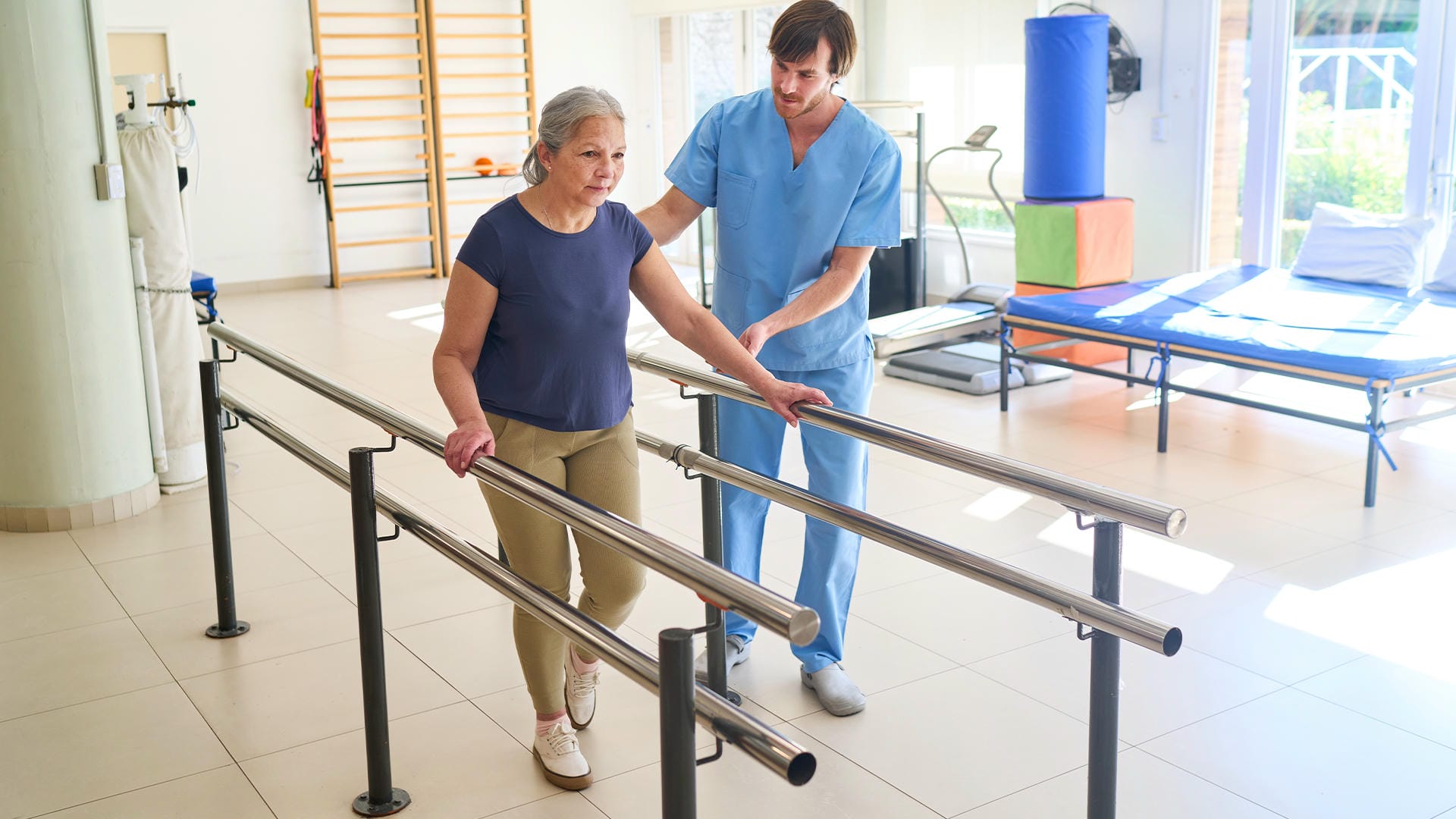
Zinc. Protein. Vitamin C. These come up in wound care literature constantly and almost never in discharge conversations. Tissue repair has actual nutritional dependencies, and a patient who came out of a hospitalization with depressed appetite and no dietary follow-up is not healing at full capacity — they’re healing at whatever their body can scrape together. Physical therapy belongs in the same conversation. Immobility is one of the cleaner predictors of new pressure injury development. Getting a patient repositioning correctly, bearing weight, moving through a structured program — that’s not rehabilitation adjacent to wound care. That’s wound care.
For families weighing short-term rehab against a direct return home: the question isn’t whether home is preferable. Usually it is. The question is whether the wound — and the patient’s overall condition — can be safely managed there. Those are different questions.
What Families Should Actually Monitor
Even when a skilled nursing placement handles the clinical work, family members who visit regularly are an asset. They notice changes in cognition that can precede sepsis. They notice when a patient is grimacing during repositioning, or when a wound looks different than it did yesterday. That observation is clinically useful.
Watch the periwound skin — the area around the wound edge. Warmth, swelling, or spreading redness outside the wound margins is a flag. So is a wound that was improving and has plateaued without explanation. Stalled healing after two to three weeks needs reassessment, not just continued dressing changes.
Pain that spikes with wound care, or new pain in a wound that was previously quiet, is worth reporting immediately. So is any change in wound odor. These details get lost when families don’t know to track them.
Short-Term Rehab as a Bridge
Post-hospital wound care doesn’t have to be permanent. Many patients need a defined period of skilled oversight — enough time for a wound to stabilize, for the family to get trained, for the clinical team to establish that the patient can be safely managed at home. Short-term rehabilitation programs exist precisely for this transition.
Care plans developed in the post-hospital phase typically include wound care protocols, medication management schedules, and physical therapy to regain mobility — the full picture, not just dressing instructions printed on a sheet of paper.
Most families aren’t choosing between home and never going home. They’re choosing between home now and home in six weeks, after the wound has stabilized and someone has trained them properly. That’s a different calculation.
About Steuben Center
Steuben Center in Corning, New York handles Wound Care and Short-Term Rehabilitation for patients coming out of the hospital with needs that aren’t yet manageable at home. Nursing staff conduct ongoing wound assessments, manage dressing protocols, and flag changes before they compound. Rehabilitation runs parallel — because getting a patient moving safely is part of the clinical picture, not a separate agenda. Families with questions about what that level of post-hospital care looks like can reach Steuben Center directly.
Care. Support. Positive Outcomes. Centers Health Care.
Centers Health Care provides rehabilitation, skilled nursing and long-term care for people with a wide range of needs. Whether someone is recovering from surgery, managing an illness or simply needs more support than can be provided at home, our staff is there to help.
The goal is not exactly the same for everyone. It may be returning home, becoming stronger, staying independent or simply feeling better and more comfortable from one day to the next. There will be progress, setbacks and difficult days along the way. Our job is to be there through all of it, and to help each patient or resident get as far as he or she can.
Sometimes that progress comes in large steps. More often, it comes in small ones. Either way, every step matters.
Our Steps to Home series follows patients through rehabilitation and the journey from hospital to home: