Stroke Recovery Routine: Why Structure Matters in Senior Rehab

A shirt button can become the morning’s first rehabilitation exercise. So can sitting upright for breakfast, asking for the orange juice or remembering which hand belongs on the walker. None of these moments looks dramatic. Put them in a dependable order, though, and a senior gets repeated chances to work on the same abilities before the formal therapy schedule has even warmed up.
After a stroke, the day can feel oddly unfamiliar. Movement may take conscious planning. Words arrive late. A busy dining room that used to be ordinary is suddenly tiring. A stroke recovery routine gives the resident fewer surprises to sort through while leaving room for the care team to adjust the work. Structure is useful. Rigidity isn’t.
A Stroke Recovery Routine Connects the Whole Day
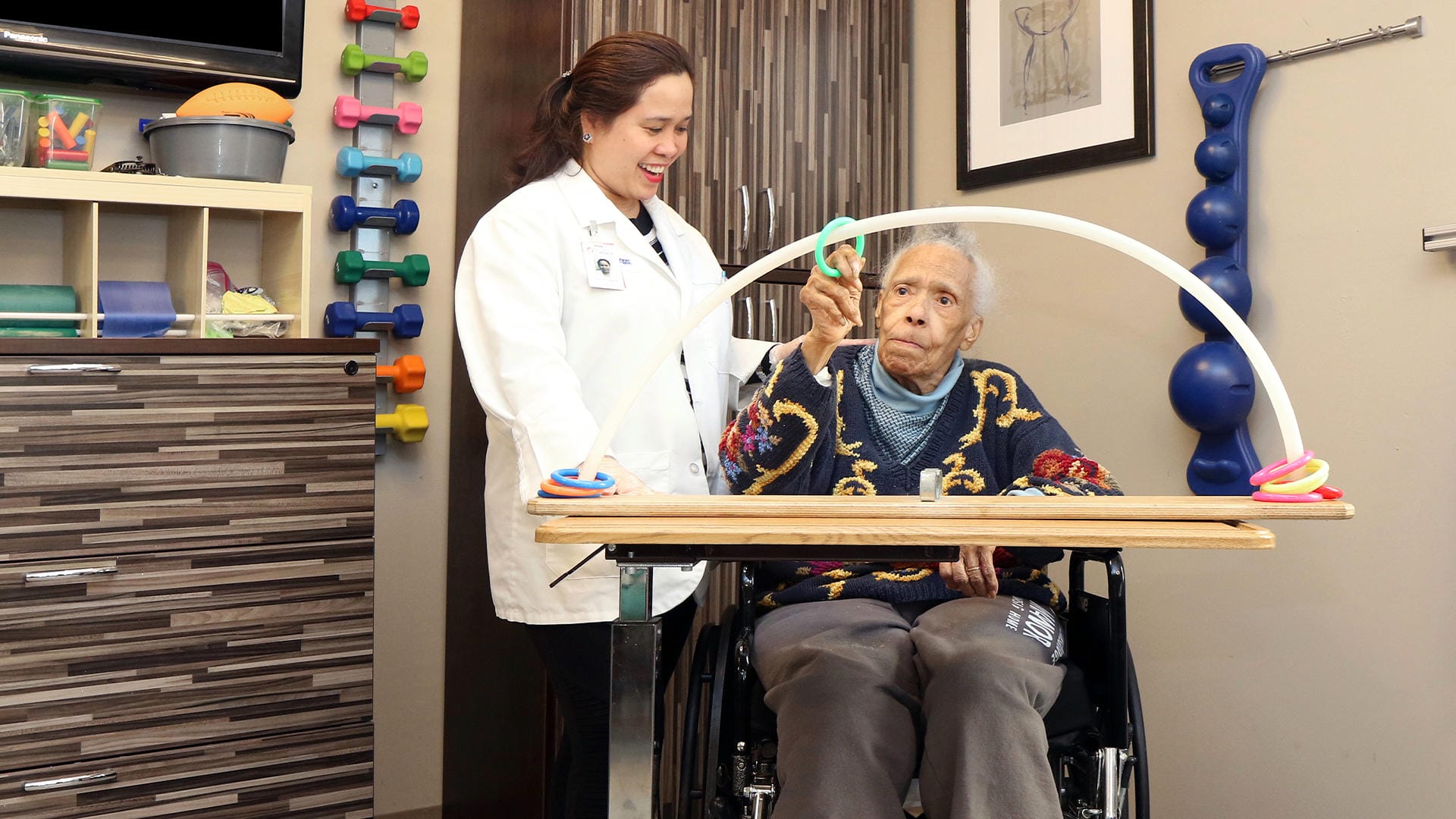
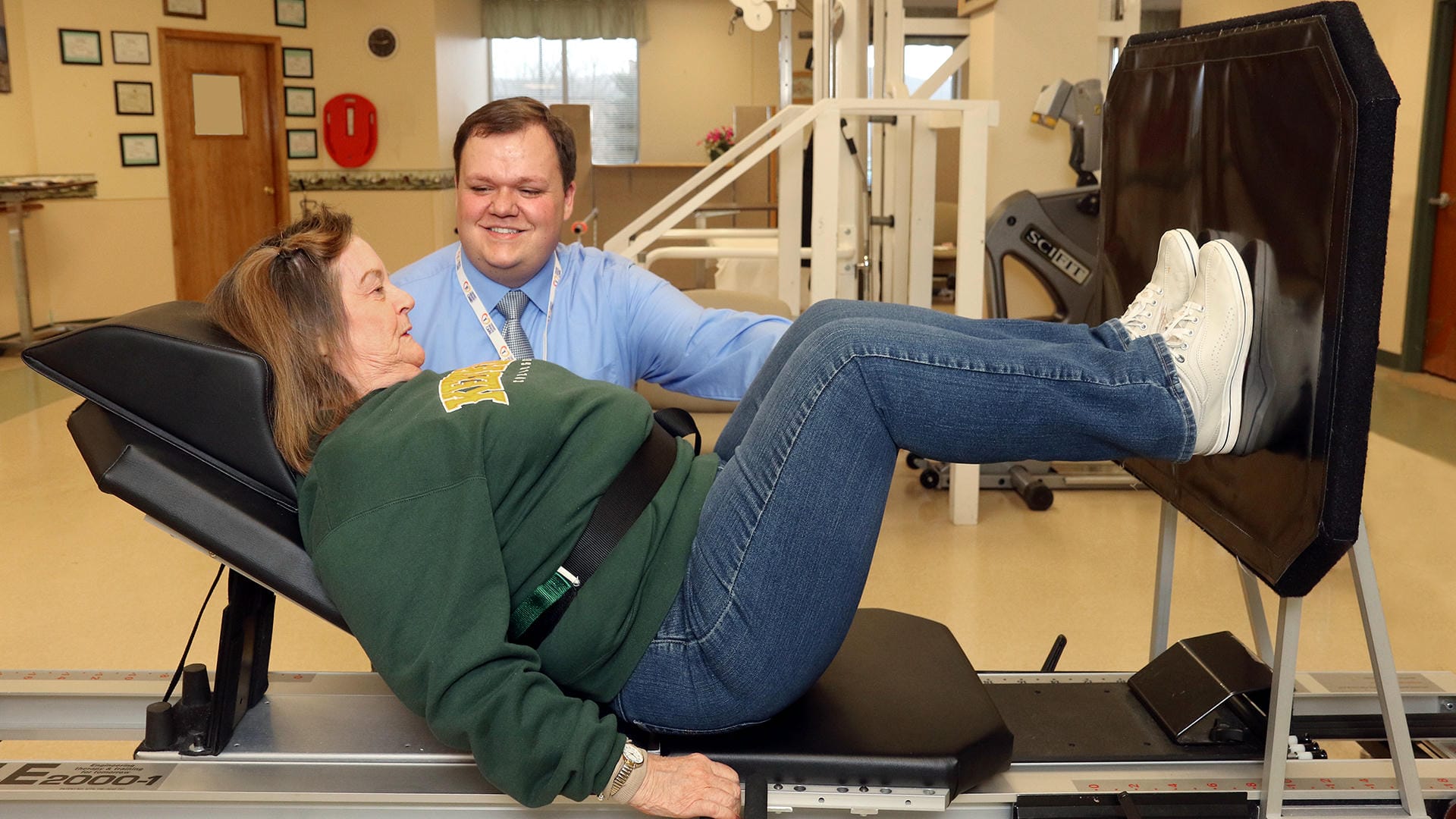
Physical, occupational and speech therapy each have separate aims, yet recovery gets more interesting where those aims overlap. A physical therapist may rehearse the mechanics of standing. Later, occupational therapy uses that same transfer while the resident dresses. At lunch, nursing staff can reinforce the agreed cue instead of inventing a new one.
Even a transfer has details worth keeping consistent: lock the wheelchair, place the feet, lean forward, push from the sitting surface and pause after standing. The exact sequence depends on the resident’s plan and precautions. Repeating one approved method reduces mixed messages and gives staff a useful comparison from one day to the next.
Speech-language work travels too. A resident with aphasia may do better when people ask one question, allow extra response time and resist the urge to supply the word. Someone working on swallowing may have an individualized posture, pacing method or IDDSI food-and-liquid level. Those directions belong at the bedside and dining table, not in a therapy room alone.
What a Useful Rehab Day Actually Looks Like
There is no model schedule that fits every stroke survivor. One person is sharpest soon after breakfast. Another needs a slower start because morning care takes a great deal of energy. Clinicians watch the pattern and place harder work where attention, blood pressure tolerance and endurance tend to be better.
A practical day may alternate demanding sessions with meals, personal care and short recovery periods. Rest is planned, rather than treated as something earned after exhaustion. Post-stroke fatigue can be substantial, even when a resident slept all night. Staff may use a simple 0-to-10 effort report or the Borg Rating of Perceived Exertion, along with observed movement quality and vital signs, to judge whether the next repetition will be productive or sloppy.
August adds its own nuisance in Bath. Warm rooms, outdoor visits and poor appetite can complicate hydration and energy. Fluids still have to follow the resident’s medical orders. Keeping drinks, toileting and activity on a known schedule helps the clinical team spot a change instead of writing it off as “a hot day.”
The Third Attempt Can Tell the Story
At 10:15, the third sit-to-stand looks worse than the second. The left foot has slipped forward and the resident is pulling hard on the walker. That is information. Maybe the cue came too late. Maybe fatigue is showing up. Staff correct the setup and decide whether another attempt is worth doing instead of chasing an impressive repetition count.
A stopwatch has a place here. The Timed Up and Go, 10-Meter Walk Test and Five Times Sit-to-Stand give clinicians standardized ways to follow selected mobility skills when a test fits the resident. Other notes are homelier: four prompts needed for a shirt button, water swallowed at the prescribed pace, a full tray scanned from left to right. Families often notice this sort of change first.
Then lunch interrupts the clinical neatness. The cup is in a different spot; somebody begins talking; the resident is tired. If the morning lesson survives that mess, even partly, it has begun to travel into ordinary life. If pain appears or form breaks down, the day’s tally may end there.
When the Stroke Recovery Routine Has to Change
Some mornings go badly. The resident slept poorly, a shoulder aches, spasticity is interfering with dressing or yesterday’s session asked too much. The team can shorten a task, change the setup, move therapy to a better hour or look for a clinical reason behind the decline. Pain management and positioning deserve attention early; guarding an affected arm all day creates another obstacle.
Sudden change belongs in a separate category. New facial droop, weakness, vision trouble, loss of balance, confusion or a sharp deterioration in speech is never folded into the schedule. BE FAST gives staff and families a compact check: Balance, Eyes, Face, Arm, Speech, Time. Even symptoms that disappear require urgent assessment. A routine should make an unusual change easier to see.
Families Can Help Without Running the Session
Visitors naturally want to help, and sometimes help arrives a little too fast. Finishing every sentence, pulling a weak arm during a transfer or adding unsupervised exercises can undo the method the resident is learning. Ask the care team which cues to use and where hands should go. Then give the person time.
Familiarity is useful in quieter ways. Bring labeled photographs for language practice. Talk about the actual route from the bedroom to the bathroom at home. Mention that Dad always fades around 2 p.m., or that Mom follows written directions better than rapid conversation. Those observations can sharpen a stroke recovery routine considerably.
Care. Support. Positive Outcomes. Centers Health Care.
One care plan can get crowded. A resident is working on left-side weakness, forgets the transfer sequence by noon and has an old shoulder that starts hurting during dressing. A line drawn between those concerns on a chart disappears at the bedside.
In Bath, Steuben Center offers stroke care and short-term rehabilitation, along with dementia care, long-term care and pain management. That range becomes useful on an ordinary Tuesday, when memory, comfort, safety and rehabilitation all show up before lunch.
Some residents are aiming for their own front door. Someone else may be trying to state a need, stand with less assistance or finish a meal without discomfort. Difficult days are part of the work. Staff remain involved through them, helping each patient or resident get as far as he or she can.
A big improvement is lovely. Breakfast requiring one fewer cue counts, too.
Steps to Home
Going home starts well before discharge day. The Steuben Center team can work with the resident and family on caregiver training, equipment recommendations, medication and follow-up instructions, and the practical layout of the home. A written stroke recovery routine helps carry over the methods that worked in rehab: when to practice, how to transfer, where rest fits and whom to call when something changes. Home will have fewer call bells and more distractions. A familiar sequence gives everyone somewhere sensible to begin.
Our Steps to Home series follows patients through rehabilitation and the journey from hospital to home: