Stroke Rehab Near Home: Why Family Visits Can Help Progress
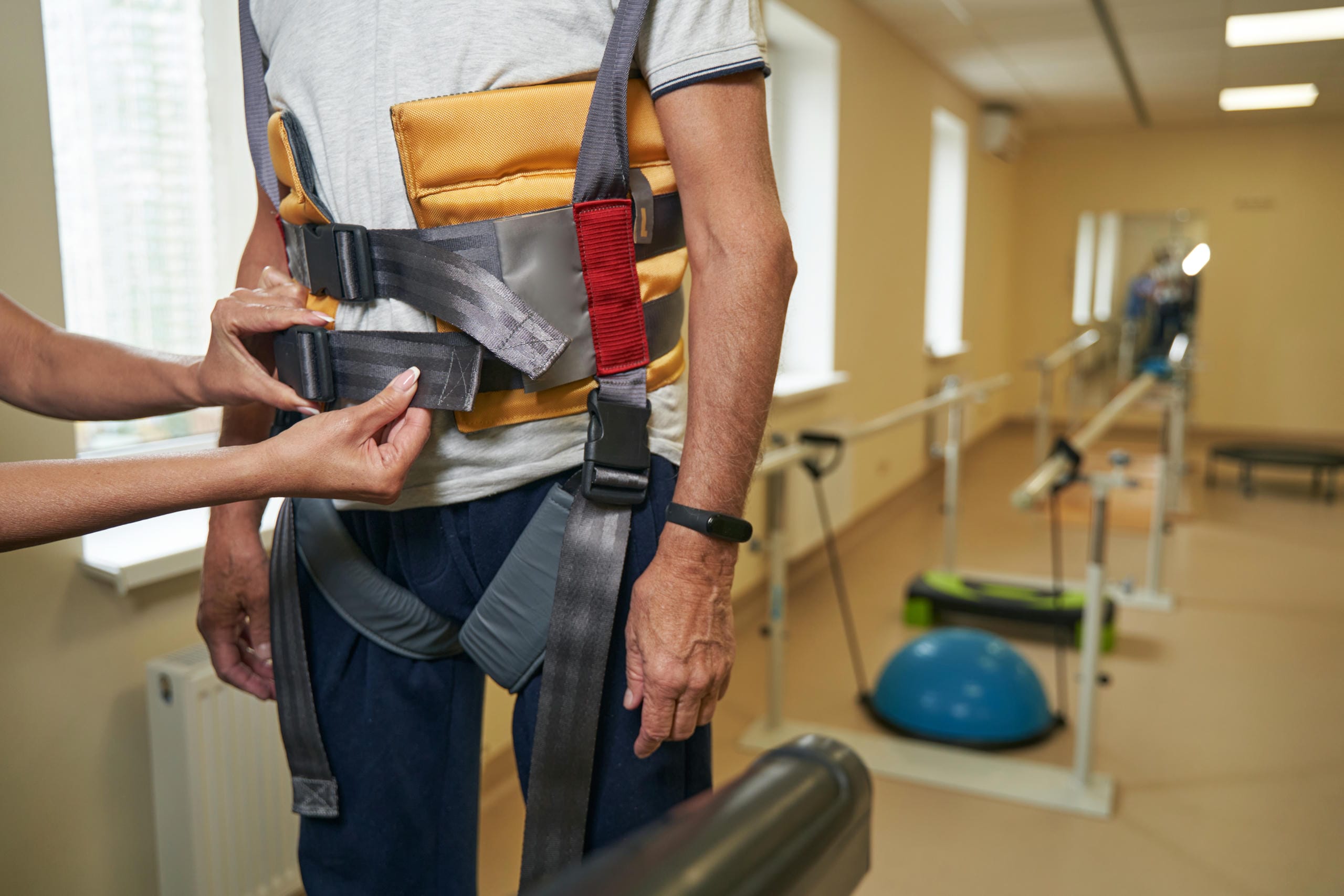
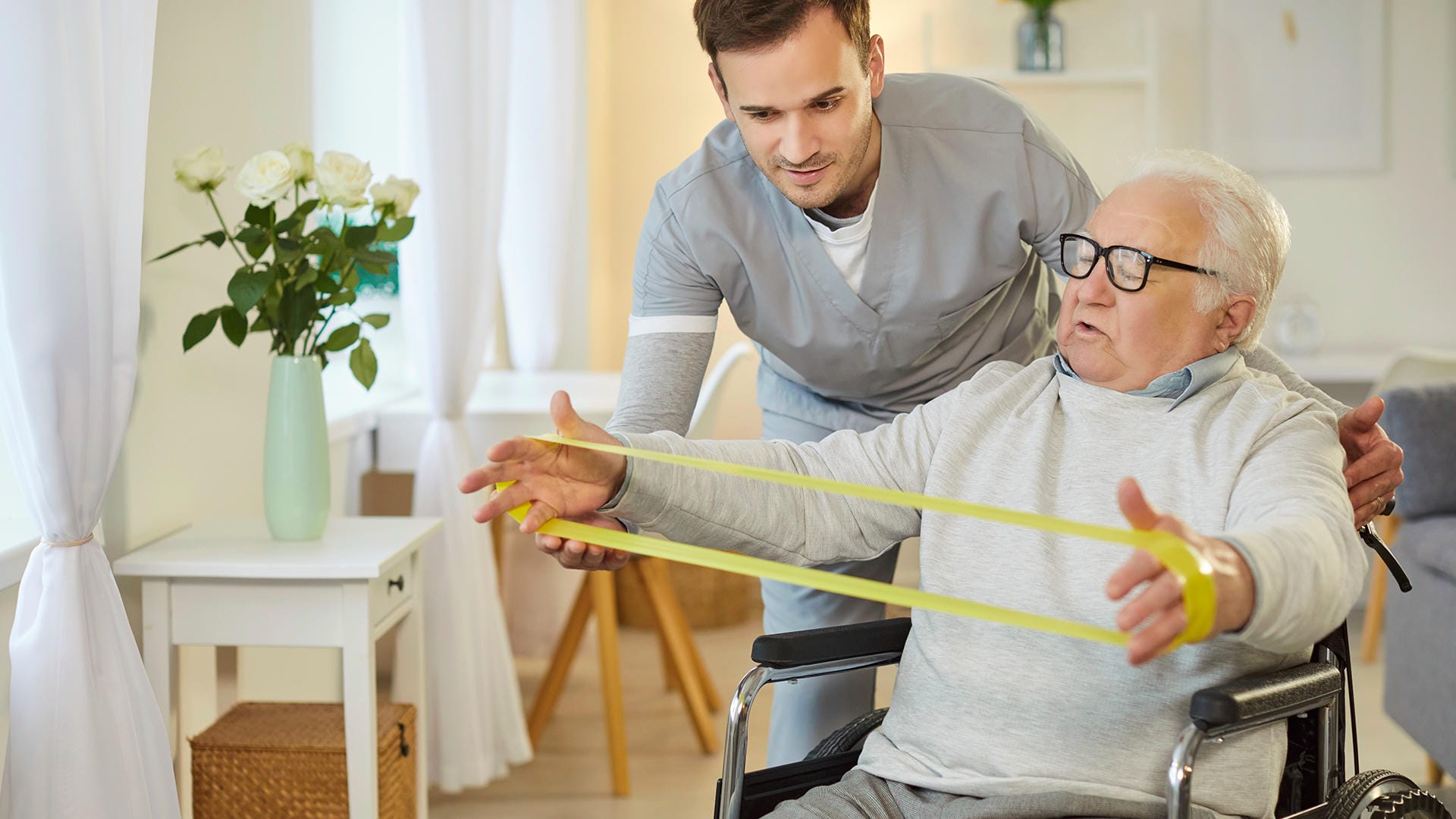
Tuesday afternoon, then a hospital corridor — that’s the shape a stroke takes for most families, and after that the timeline gets strange. Progress arrives in units nobody would notice under normal circumstances. A syllable. A few more degrees of grip on a rubber exercise band. Clinical teams track all of it. What they can’t always track is a plainer fact: does anyone who actually knows this patient get to be in the room while it happens.
Distance decides a lot of that. A facility forty minutes away on a good traffic day turns into a once-a-week visit instead of a daily one. Stroke rehab near home solves for exactly that problem, and the research on recovery outcomes backs up why it matters. Neuroplasticity, the brain’s capacity to rewire around damaged tissue, responds to repetition and engagement. Family members reinforce both. They notice when a patient is more animated in the afternoon than the morning. They catch subtle improvements a rotating clinical staff might chart but not necessarily flag as significant. They ask the questions a patient, mid-recovery and often exhausted, doesn’t think to ask.
Why Proximity Changes the Stroke Rehab Near Home Equation
Primary. Thrombectomy Capable. Comprehensive. New York sorted its hospitals into these three tiers years back under 10 NYCRR 405.34, and the guidance governing them got another update effective this past January, tightening what hospitals have to report on time-to-treatment. None of that tiering matters much once a patient is stable. It matters enormously before that point, in the first hours after symptoms start, when the gap between a thrombolytic given at minute forty and one given at minute ninety can be the difference between a full recovery and a partial one.
Acute care runs against a countdown. Rehab doesn’t. Once a patient is stable enough to move into short-term rehabilitation, the whole calculus flips from how fast to how often — daily blocks of physical therapy, occupational therapy, frequently speech-language work, stacked across weeks instead of hours. Nobody rebuilds a damaged motor pathway in a single session. Repetition does the work. And repetition responds to who’s watching. A daughter sitting in on a session notices the tremor is worse before lunch than after. A husband mentions the patient always struggled with stairs even pre-stroke, which changes what “full recovery” even means for the discharge plan. None of that gets captured in a fifteen-minute intake form.
For families across the Rockaways, Five Towns, and western Nassau County, that proximity question has a straightforward answer close to home. Far Rockaway Center sits within the same community many of these families already live in, which changes a rehab stay from an isolated event into something closer to an extended visit with structured clinical support layered in.
Rebuilding Function When Stroke Rehab Near Home Includes the Right Team
Picture what a week of short-term rehab actually contains: therapy blocks scheduled like appointments, a care-plan meeting somewhere in there, and the slow reintroduction of things most people never think about — getting dressed, moving from bed to a chair without falling, climbing three steps if that’s what’s waiting at home. An occupational therapist will ask what the bathroom at home actually looks like, tile versus tub, grab bar or no grab bar. A speech-language pathologist wants to know what this person ate on a normal Tuesday before any of this happened, because dysphagia diets built on guesswork fail faster than diets built on someone’s actual habits. A relative who shows up three times a week hands over that information as it’s needed. A relative who shows up once hands it over too late.
There’s also the matter of morale, which nobody puts on a chart but every rehab therapist will tell you drives outcomes. A patient working through a fatiguing session of gait training responds differently when a grandchild is waiting in the hallway. It’s not sentimentality. It’s motivation, and motivation shows up in session compliance numbers.
Stroke rarely travels alone. Atrial fibrillation shows up in the same patients. So does hypertension nobody got fully under control, or a cardiac event from two years back that never quite resolved. Far Rockaway Center treats Stroke Care next to Cardiac Care for that reason — separating them on paper doesn’t separate them in a patient’s actual body. Pain Management picks up the shoulder pain and spasticity that trail a lot of stroke recoveries. Orthopedic Care handles the fall that sometimes accompanies the stroke itself. Wound Care watches for pressure injuries once mobility drops. One team, one building, one shared record, instead of a patient bouncing between four separate offices trying to explain the same history four times.
Some recoveries wrap up in a matter of weeks. Others don’t, and families end up weighing what comes next before short-term rehab even finishes. Long-Term Care sitting under the same roof means that decision doesn’t require another intake, another unfamiliar building, another round of strangers learning a patient’s history from scratch. Age predicts outcome. Stroke severity predicts outcome. Ask a rehab therapist for a third factor and family involvement comes up almost every time — the one variable in this whole process that actually belongs to the family, not the clinical team.
Far Rockaway Center
Far Rockaway Center handles Stroke Care and Short-Term Rehab for patients across the Rockaway peninsula and the neighboring stretch of Nassau County, with Cardiac Care, Pain Management, Orthopedic Care, Wound Care, and Long-Term Care available under the same roof for patients whose recovery doesn’t stay contained to one diagnosis. For families looking for stroke rehab near home — close enough for a daily visit, a quick conversation with a therapist, a familiar face in the doorway during a hard session — that option exists inside the community itself. More at Far Rockaway Center.
Care. Support. Positive Outcomes. Centers Health Care.
Centers Health Care provides rehabilitation, skilled nursing and long-term care for people with a wide range of needs. Whether someone is recovering from surgery, managing an illness or simply needs more support than can be provided at home, our staff is there to help.
The goal is not exactly the same for everyone. It may be returning home, becoming stronger, staying independent or simply feeling better and more comfortable from one day to the next. There will be progress, setbacks and difficult days along the way. Our job is to be there through all of it, and to help each patient or resident get as far as he or she can.
Sometimes that progress comes in large steps. More often, it comes in small ones. Either way, every step matters.
Our Steps to Home series follows patients through rehabilitation and the journey from hospital to home: