Broken Bones, Pain, and Rehab: A Family Guide After a Fall
Falls happen fast. The recovery doesn’t. A broken hip, wrist, or femur can turn a functioning adult into someone who needs months of skilled care — and the gap between a good outcome and a rough one often comes down to what happens in the first few weeks after the bone is set.
This guide is for families trying to understand what rehab after broken bone recovery actually looks like: what the pain is like, when movement starts, and what skilled nursing facilities do that home rest simply can’t.
Why Rest Alone Won’t Cut It
Keeping a broken limb still is the obvious move. It is also, past a certain point, counterproductive. Muscle doesn’t wait around — it starts atrophying within days of disuse, and once a patient starts favoring one side, the gait compensation creates a whole separate set of problems: asymmetrical loading, joint strain on the unaffected leg, balance deficits that outlast the fracture itself. The bone heals; the surrounding system quietly falls apart.
For older adults especially, the window matters. In well-managed facilities, rehabilitation begins within 48 hours, with patients regaining limited mobility in about 6 to 12 weeks. That timeline assumes structured intervention — not independent home recovery with a walker and good intentions.
DVT doesn’t get enough airtime in these conversations. Reduced mobility after a fracture slows venous return, and a clot that forms in a deep leg vein can dislodge and travel to the lungs — pulmonary embolism, which kills people. Early controlled movement isn’t just rehab philosophy. It addresses a concrete circulatory risk that immobilization creates.
What Rehab After Broken Bone Recovery Actually Involves
Orthopedic rehab isn’t one thing. It’s physical therapy stacked against occupational therapy, pain protocols, and — for more complex fractures — wound monitoring and cardiac observation if surgery was involved.
Physical therapy begins shortly after surgery, sometimes the same day the patient wakes up. The focus is on strengthening the muscles around the fracture site, with the expectation that PT continues for several months — and that the patient’s consistency with prescribed exercises directly affects how quickly function returns.
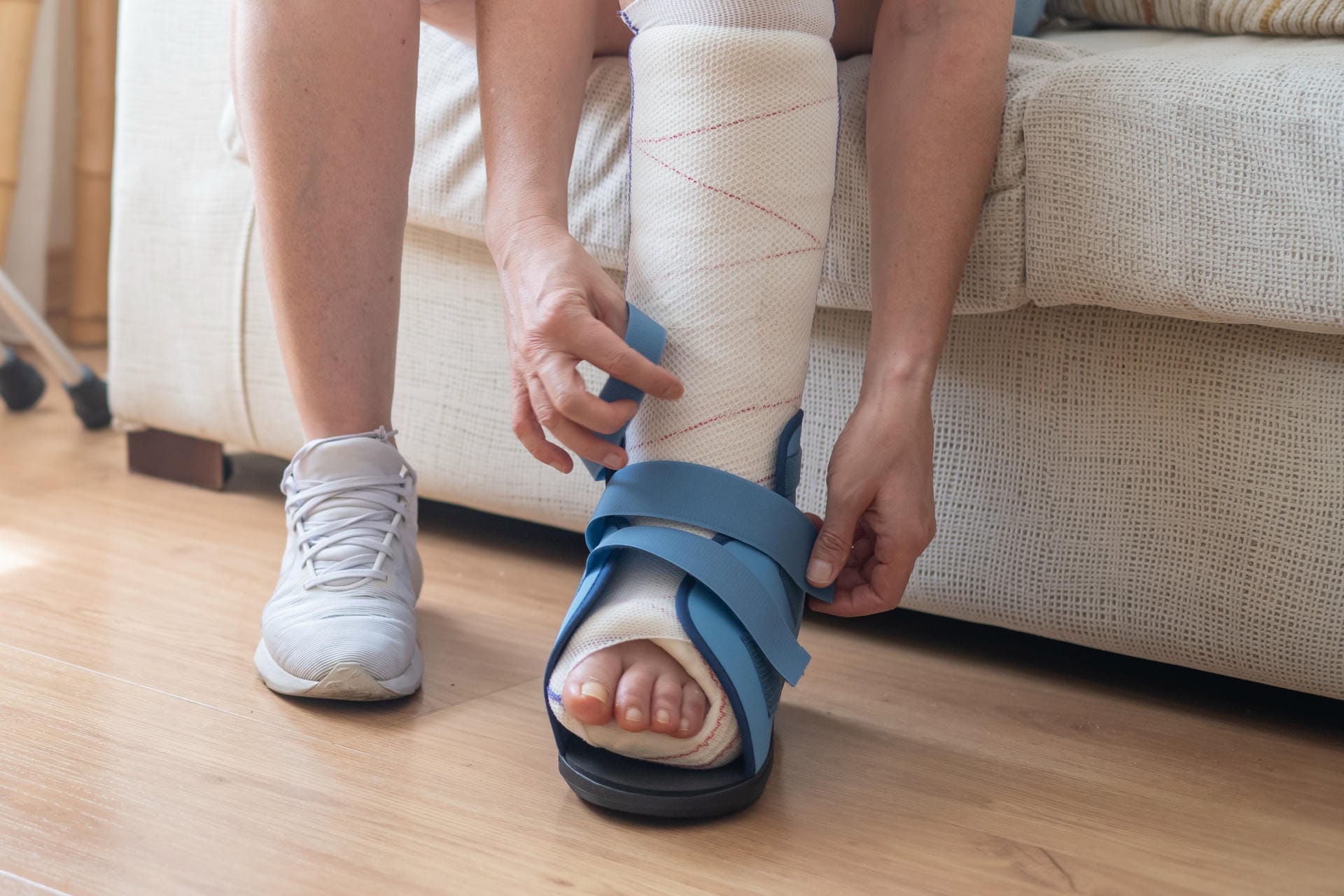
The therapy itself cycles through phases. The initial period focuses on protecting the injury and managing swelling, usually with immobilization in a cast or boot. The active phase begins once the physician clears weight-bearing — and that’s when range-of-motion work, muscle rebuilding, and balance training start in earnest. Balance training is the piece families sometimes underestimate. Falls often happen because of balance deficits in the first place. Skipping that component and going straight home after a fracture is how people end up back in the ER.
Electrical stimulation, laser therapy, and ultrasound modalities used during orthopedic rehab also encourage bone healing directly — soundwaves and bone stimulation signal the body to keep responding to the injury site. These aren’t fringe treatments. They’re standard components of skilled orthopedic care.
Pain, Fear of Movement, and Why Facilities Handle It Better Than Families Can
Fracture pain is underestimated in family conversations and sometimes undercommunicated by discharging physicians. The problem isn’t just discomfort — it’s what pain does to the rehab timeline. A patient who dreads weight-bearing skips therapy. Skipped therapy means lost ground. By the time the fear of movement outlasts the actual injury, the patient is dealing with two separate problems: the healed bone, and the psychological barrier to using it.
Skilled nursing facilities bring a structured pain management approach — one that addresses pain without letting it become the reason rehab stalls. Modalities include positioning support, ice and heat protocols, and carefully monitored medication adjustments. Patients receive education on using these modalities between sessions, and physical therapists incorporate them directly into the rehab plan so pain management and movement work in parallel rather than against each other.
For older adults with comorbidities — diabetes, heart failure, prior stroke — pain management gets more complicated fast. That’s where the skilled nursing layer matters. Monitoring doesn’t stop after therapy hours.
The Skilled Nursing Facility Decision
Not every fracture requires a skilled nursing stay. A simple stable wrist fracture in a 55-year-old is a different conversation than an intertrochanteric hip fracture in a 78-year-old who lives alone. For more intensive rehabilitation, seniors often need a short-term stay in a skilled nursing facility — particularly if the hip fracture has left them unable to live independently or if additional support is needed to address fall risk going forward.
The advantage of inpatient short-term rehab over outpatient PT isn’t just intensity. It’s coordination. Nursing staff, physical therapists, occupational therapists, and physicians operate in the same building, reviewing the same patient daily. Maintaining muscle strength, joint flexibility, and circulation during the healing phase requires consistency — the kind that’s hard to replicate when a family member is driving a patient to appointments three times a week. Small gaps in that consistency compound.
Six months to a year is a realistic window for serious fractures. That number surprises families who expected a faster turnaround, and the surprise is often where things go sideways — discharge back home too early, outpatient PT attendance that drops off, follow-up imaging that gets skipped. The recovery is long. The plan needs to match.
Choosing the Right Rehab Setting
Proximity isn’t a care metric. A facility that’s ten minutes from the house but runs PT three days a week with no occupational therapy integration isn’t the right answer for a hip fracture patient who lives alone. What to press on: whether orthopedic rehab is a named service line with dedicated staffing, how pain management is handled outside therapy hours, and what the actual discharge planning process looks like. Those details separate facilities with rehab brochures from ones with rehab programs.
For families in the Capital Region navigating this decision after a fall, Schenectady Center — located in Schenectady, New York — provides orthopedic care, pain management, and short-term rehab as core services, making it a relevant option for fracture recovery cases that need more than outpatient support can offer. The facility also offers cardiac and stroke care for patients with complex medical backgrounds. More information is available at Schenectady Center.
Care. Support. Positive Outcomes. Centers Health Care.
Centers Health Care provides rehabilitation, skilled nursing and long-term care for people with a wide range of needs. Whether someone is recovering from surgery, managing an illness or simply needs more support than can be provided at home, our staff is there to help.
The goal is not exactly the same for everyone. It may be returning home, becoming stronger, staying independent or simply feeling better and more comfortable from one day to the next. There will be progress, setbacks and difficult days along the way. Our job is to be there through all of it, and to help each patient or resident get as far as he or she can.
Sometimes that progress comes in large steps. More often, it comes in small ones. Either way, every step matters.
Our Steps to Home series follows patients through rehabilitation and the journey from hospital to home: