Wound Care in Hot Weather: Signs Families Should Not Ignore
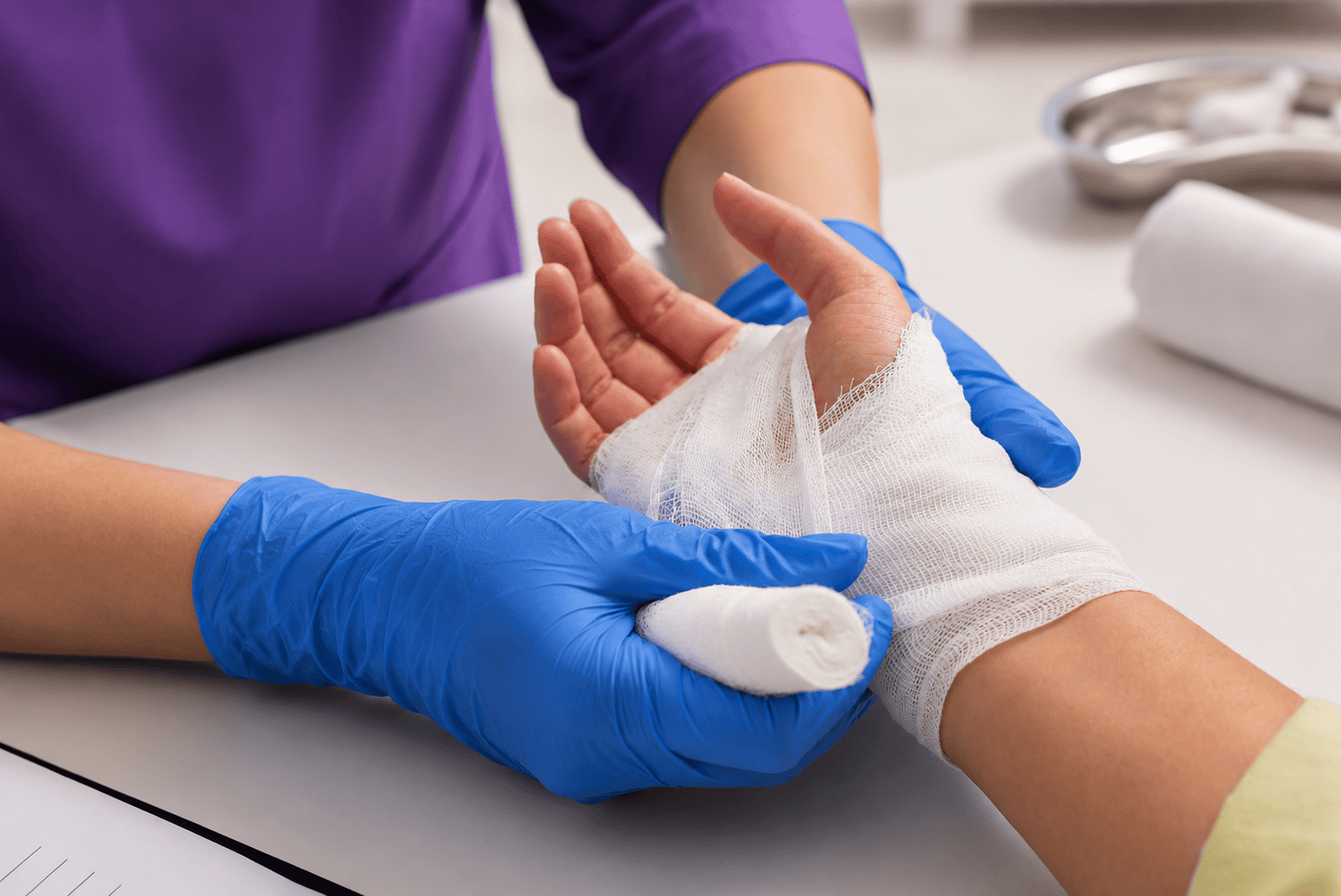
Families visiting a loved one in July sometimes notice a dressing that looks wrong without being able to say exactly why — the edges lifting, the color off, something that just reads different than last Tuesday. That instinct is worth following. Wound care in hot weather adds variables that don’t exist in winter, and most of them are invisible until they’ve already caused a problem.
Skin past seventy behaves differently than skin at thirty. Thinner. Slower to knit back together. Circulation that used to push blood efficiently to an injury site now lags, especially once a diuretic or a vascular condition enters the picture. Stack heat on top of that and the margin for error shrinks considerably.
Nobody plans for an infection. Most families don’t think about wound care in hot weather until a dressing looks wrong on a Tuesday afternoon visit and nobody can say when it started looking that way.
Heat Doesn’t Just Make Wounds Uncomfortable – It Changes the Biology
Blood volume drops when someone isn’t drinking enough, which is more residents than families assume during a heat wave — particularly anyone on heart or blood pressure medications. Less circulating blood means the tissue actively trying to close doesn’t get the oxygen it runs on. Nobody notices this from the outside. The wound looks unchanged. The healing timeline quietly extends.
Sweat compounds the problem in a different way entirely. It’s not sterile. Anything riding along on perspiration — dirt, residue from clothing, whatever a resident touched an hour earlier — gets a free pass straight to an open wound if a dressing has shifted even slightly. And dressings shift constantly in heat, because adhesive that holds firm at 70 degrees gives up at 90.
Sun exposure gets overlooked almost every time. A resident sitting outside during a therapy break, dressing peeking out from under a sleeve, isn’t usually thought of as a wound care risk. UV light damages new tissue formation directly. Carthage Center’s clinical staff factor that into dressing choice for residents who spend meaningful time outdoors, which during a New York summer is most of them.
Footwear is its own category of problem, particularly for anyone with a foot wound or recent lower-extremity surgery. Sandals look harmless. They’re not, not when gravel, standing water from a sprinkler, or simple friction against an open sole is involved.
The Signs That Mean Something Has Changed
Redness spreading past the original wound margin — not redness that stays put, redness that’s clearly migrating outward — is the one to take seriously immediately. Warmth that feels noticeably hotter than skin two inches away tells a similar story. So does drainage that increases day over day, or changes color, or starts to smell.
Pain trajectory matters more than pain level. A wound healing normally hurts less each day, gradually, predictably. One that’s worse on day six than it was on day three is communicating something, and it’s not subtle once you know to look for the pattern.
Two things produce elevated temperatures in a resident during a heat wave: heat exhaustion and infection. The symptoms overlap enough that anyone trying to sort it out without clinical tools is probably guessing. Flushed skin, fatigue, confusion — that list fits both conditions equally. Nursing staff working through a wound assessment can distinguish them. Someone standing in a doorway during visiting hours generally cannot, and acting on a wrong read wastes exactly the time that matters.
What Families Should Ask the Care Team
Ask whether the dressing-change schedule has actually been adjusted for summer, or whether it’s running on the same frequency as January. There’s a real difference, and not every facility makes that adjustment automatically.
Hydration tracking is another fair question — particularly for a resident on medications that affect fluid balance. Ask what’s being monitored daily and how.
And ask, plainly, how fast a physician gets notified if a wound’s appearance changes. Not in general terms. A specific answer, with a specific timeline. A care team confident in its own process will have one ready.
Some families worry that asking feels confrontational. It isn’t. The wound teams worth trusting answer these questions without hesitation, because they’re already asking themselves the same things.
Mobility Adds Another Layer Short-Term Rehab Families Should Know About
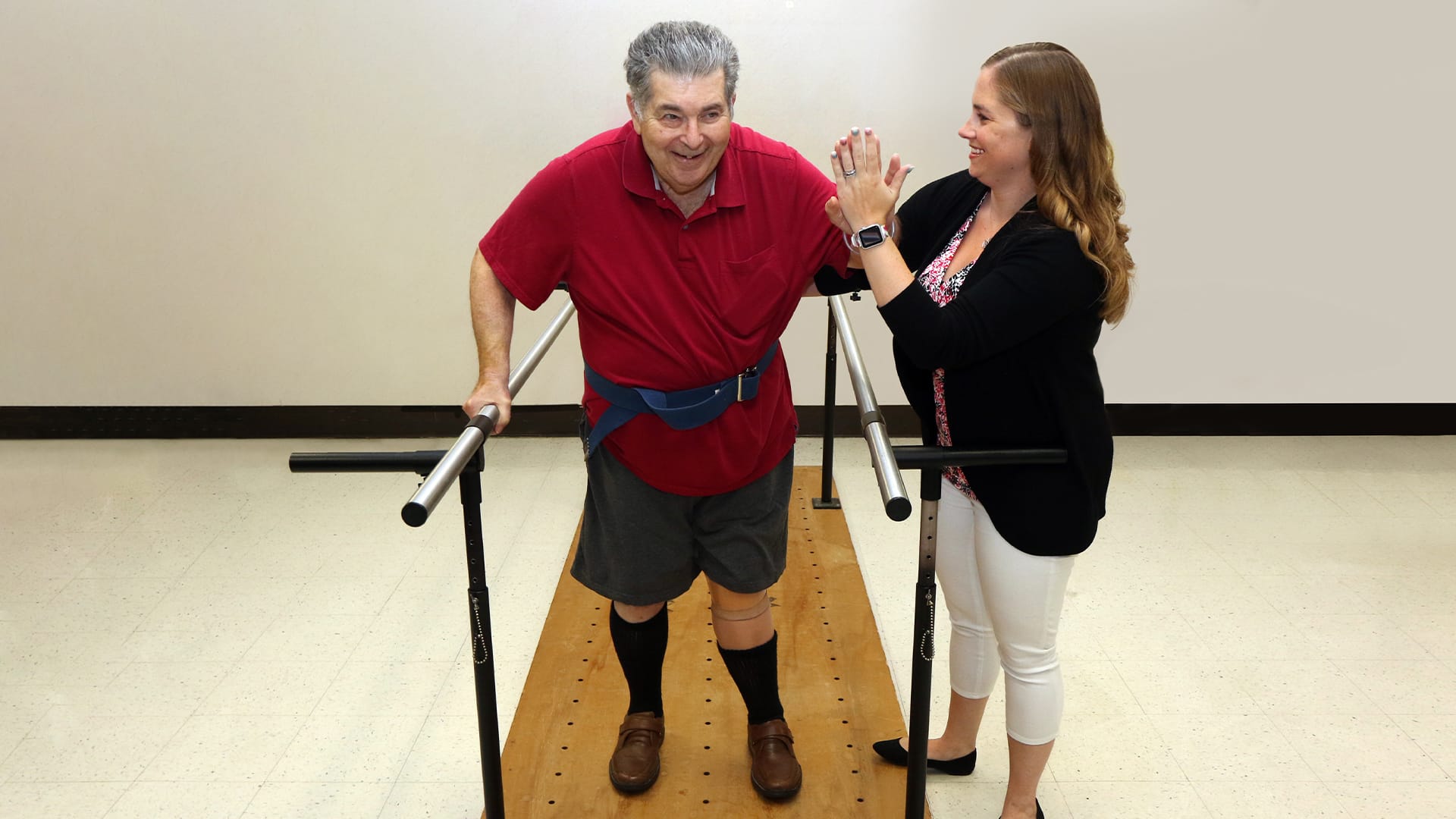
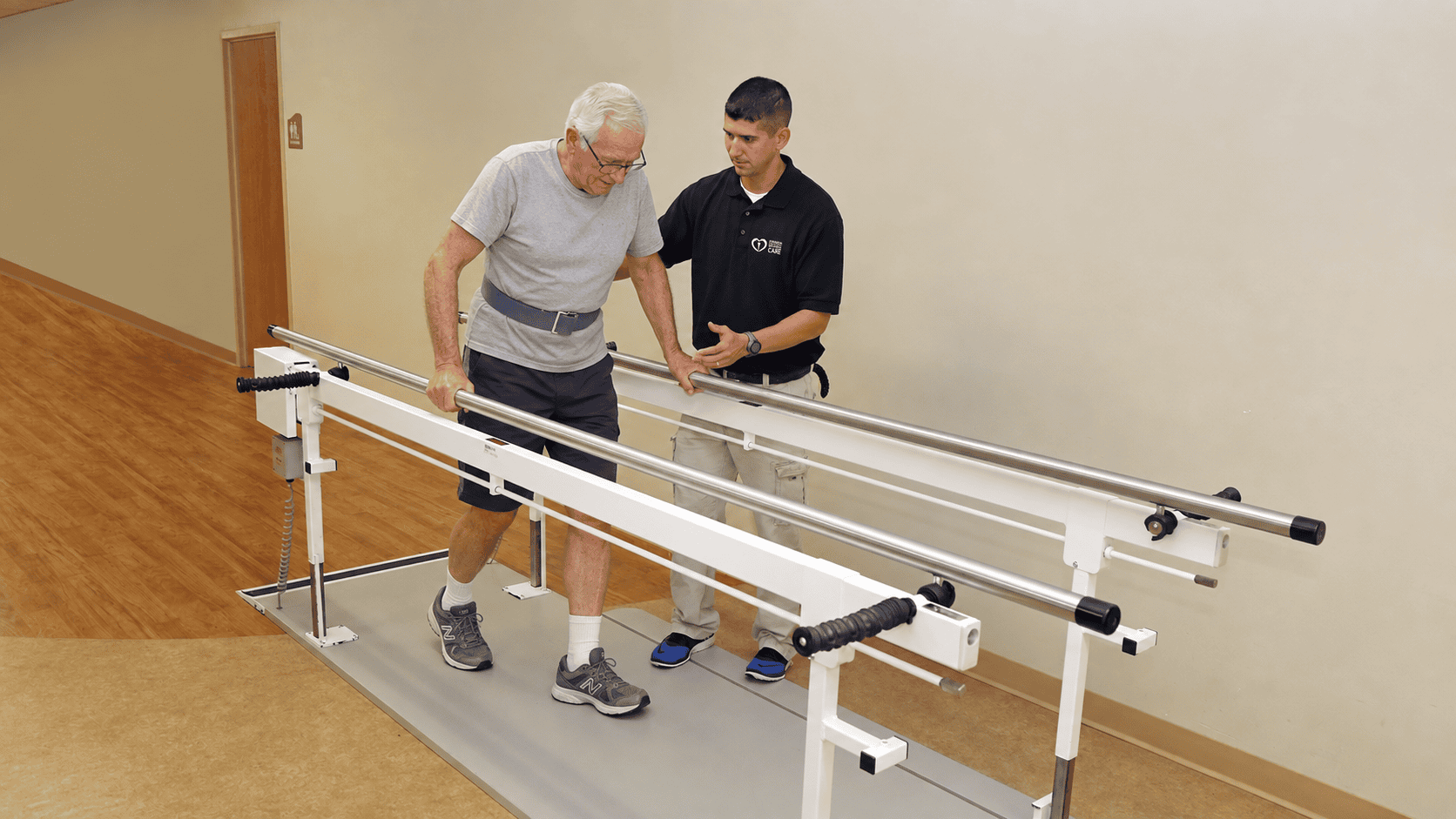
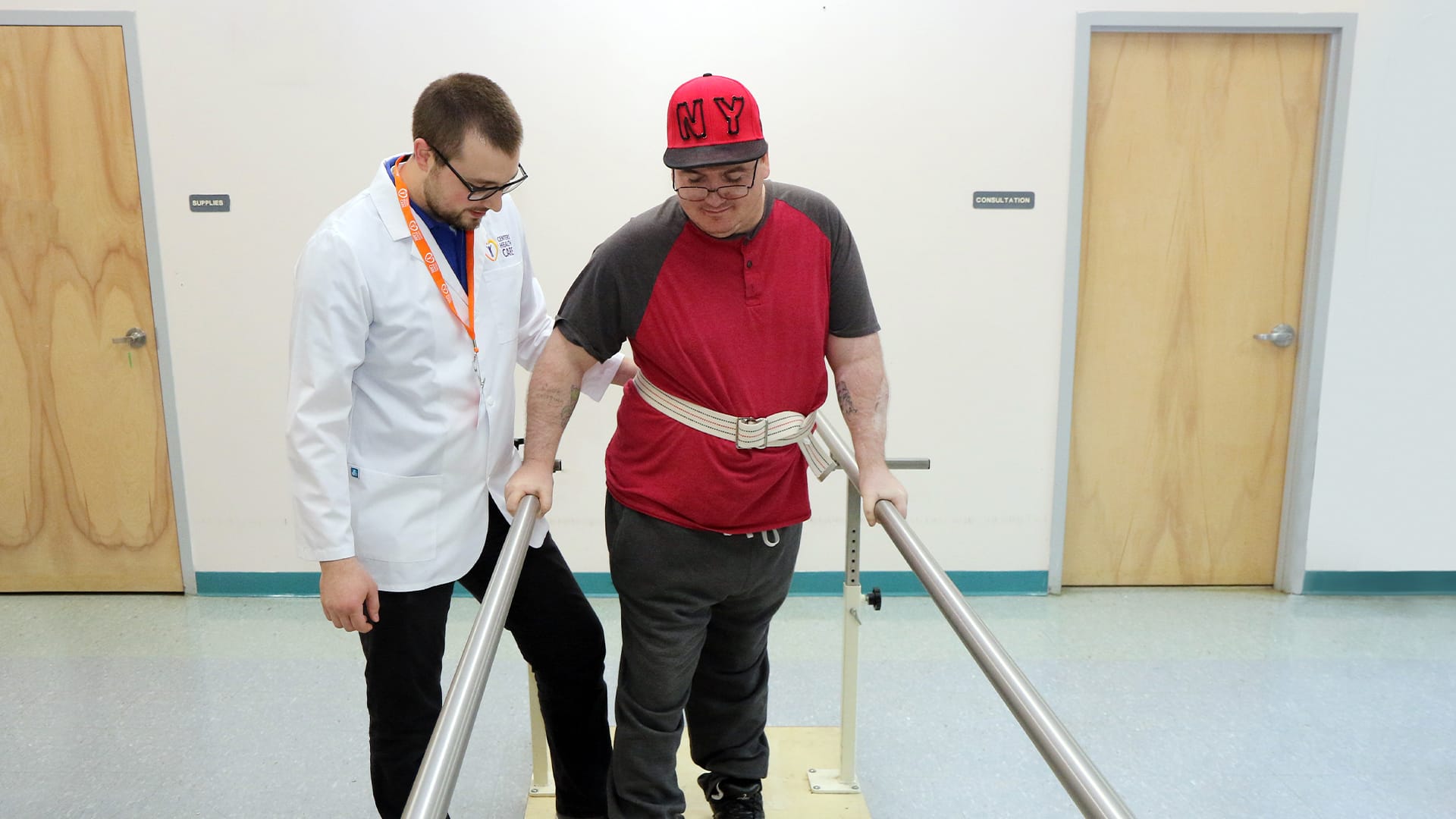
Residents in active rehab move more than long-term residents typically do — therapy sessions, courtyards, dining halls, multiple trips a day. Every one of those movements is friction against a healing wound. Every one of them is a chance for sweat to work its way under an edge of tape that was sealed tight that morning.
Staff coordinating wound care for someone mid-rehab have to think about that constantly, adjusting dressing type and frequency around an actual daily schedule rather than a fixed protocol that assumes a resident barely leaves the bed.
Carthage Center’s Wound Care and Rehab Services
Carthage Center offers Wound Care alongside Short-Term Rehab, Cardiac Care, Orthopedic Care, Stroke Care, Pain Management, and Long-Term Care, with clinical staff trained to track the specific risks New York heat introduces — humidity, sun exposure, mobility-driven friction, and the dehydration that compounds all three. Dressing protocols shift with the season here rather than staying fixed year-round, and any visible change in a wound triggers clinical review the same day it’s noticed. Families with a loved one receiving wound care or short-term rehabilitation can find more at carthage-center.facilities.centershealthcare.org.
Care. Support. Positive Outcomes. Centers Health Care.
Centers Health Care provides rehabilitation, skilled nursing and long-term care for people with a wide range of needs. Whether someone is recovering from surgery, managing an illness or simply needs more support than can be provided at home, our staff is there to help.
The goal is not exactly the same for everyone. It may be returning home, becoming stronger, staying independent or simply feeling better and more comfortable from one day to the next. There will be progress, setbacks and difficult days along the way. Our job is to be there through all of it, and to help each patient or resident get as far as he or she can.
Sometimes that progress comes in large steps. More often, it comes in small ones. Either way, every step matters.
Our Steps to Home series follows patients through rehabilitation and the journey from hospital to home: