From Hospital to Rehab: Planning a Safer Return to Everyday Life

Thirty stapled pages hit the bedsheets. Your exit protocol. A floor tech taps a highlighted paragraph about blood thinners, maintaining strict eye contact with the doorframe. You agree. To all of it. Arguing means another night listening to the telemetry monitor scream in the hallway. Exhaustion wins. Just bring the transport chair.
The hospital to rehab transition remains notoriously fragile. One minute a patient enjoys round-the-clock monitoring from a telemetry unit. The next, they sit in a transport van idling in traffic. Clinical momentum vanishes rapidly during this exact window. Recent 2026 data drops from state health oversight committees consistently show readmission spikes clustering precisely within the 48-hour gap following facility transfers. Communication drops. Details evaporate.
Navigating the Clinical Reality of a Hospital to Rehab Transition
We naturally obsess over the primary surgical insult. The femur fracture. The valve replacement. We ignore the collateral systemic shock.
The clinical literature refers to this physiological crash as “post-hospital syndrome.” The building itself actively degrades you. Healing demands deep sleep. Inpatient floors guarantee you never reach it. Blood pressure cuff alarms interrupt REM cycles at three in the morning. Fluorescent hallway bulbs destroy whatever circadian rhythm you had left. Tissue simply melts away. Lying flat in a clinical bed vaporizes roughly two percent of your lean muscle mass every single afternoon. We fix the surgical site and completely ignore the metabolic fallout.
Executing a successful hospital to rehab transition means arresting an acute physical decline. It is never a simple change of scenery.
Standardized mobility metrics like the AM-PAC “6-Clicks” assessment dictate immediate therapy orders. A patient scoring below a specific functional threshold on basic bed mobility needs that exact data transmitted before the transport vehicle even leaves the loading dock. Receiving clinical teams lose twenty-four precious hours if they have to blindly establish baselines from scratch.
Pharmaceutical Roulette at Discharge
Checking a medication list sounds boring. Paperwork usually is. Down on the floor, getting those exact pill dosages wrong will flat out kill someone.
Inpatient pharmacies routinely swap home prescriptions for whatever equivalent drug sits on their specific hospital formulary. A familiar blue pill abruptly becomes an unrecognizable pink oval. Upon discharge, the chaos compounds. The receiving subacute facility utilizes a completely distinct pharmacy contract.
Polypharmacy in aging populations already flirts with disaster. Forcing three separate formulary shifts in under five days pushes the risk of adverse drug events into the red zone. Nurses spend entire shifts untangling these contradictory lists. A dropped beta-blocker on a poorly faxed transfer summary guarantees a severe blood pressure spike by morning.
Data just vanishes. We pretend digital records solved everything. They didn’t. Epic won’t talk to PointClickCare. Screens freeze. Crucial allergy notes get buried on page nine of a garbled fax.
Hand-off protocols like SBAR dictate how clinical backgrounds get communicated. Paperwork still manages to omit the critical human nuances. An admission chart rarely mentions if a patient experiences intense sundowning anxiety. It won’t note their absolute refusal to swallow pills unless crushed in cold applesauce. Tiny operational details govern the success or failure of a patient’s first days in a subacute environment.
Local Interventions and Specific Care Protocols
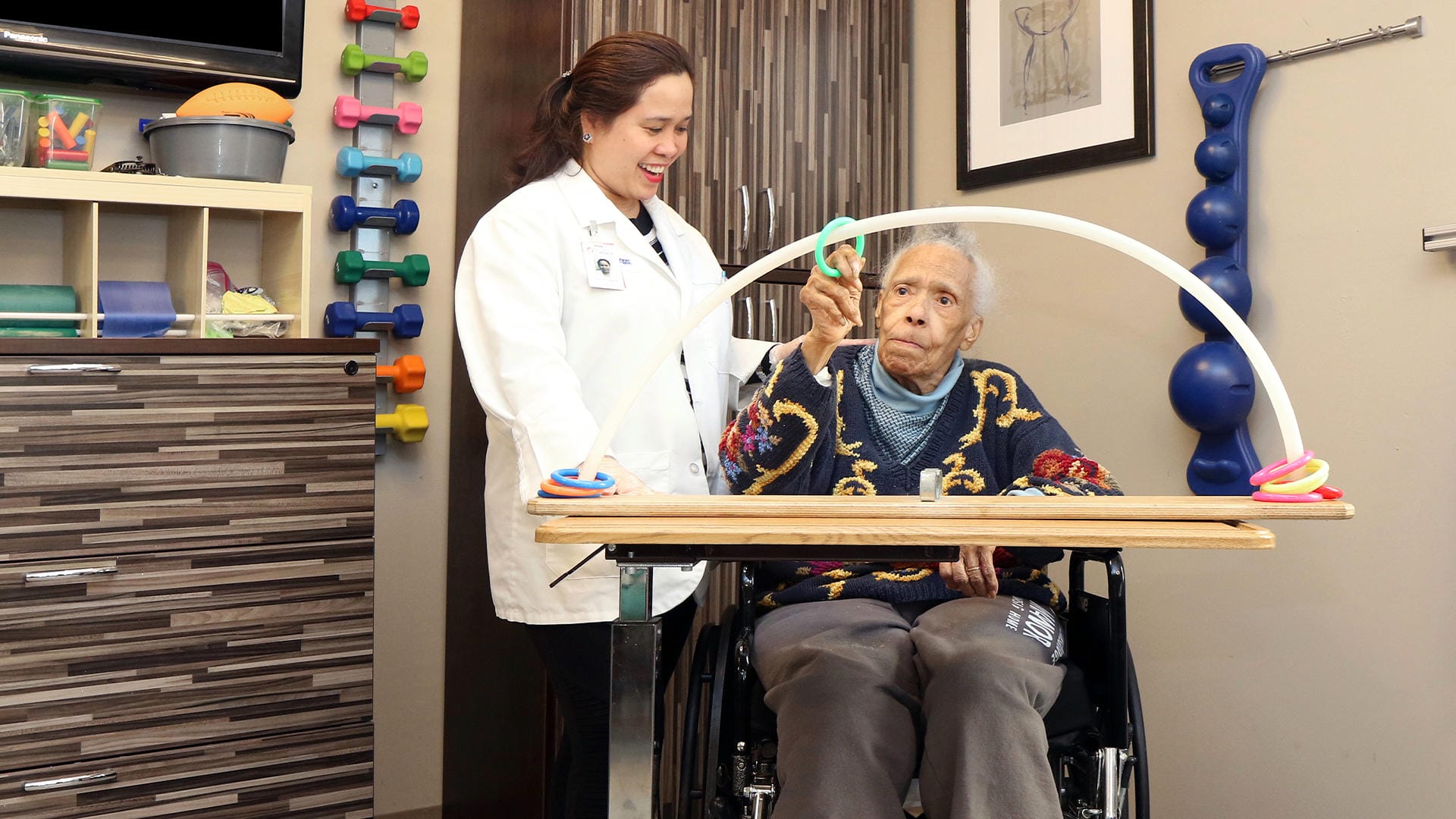
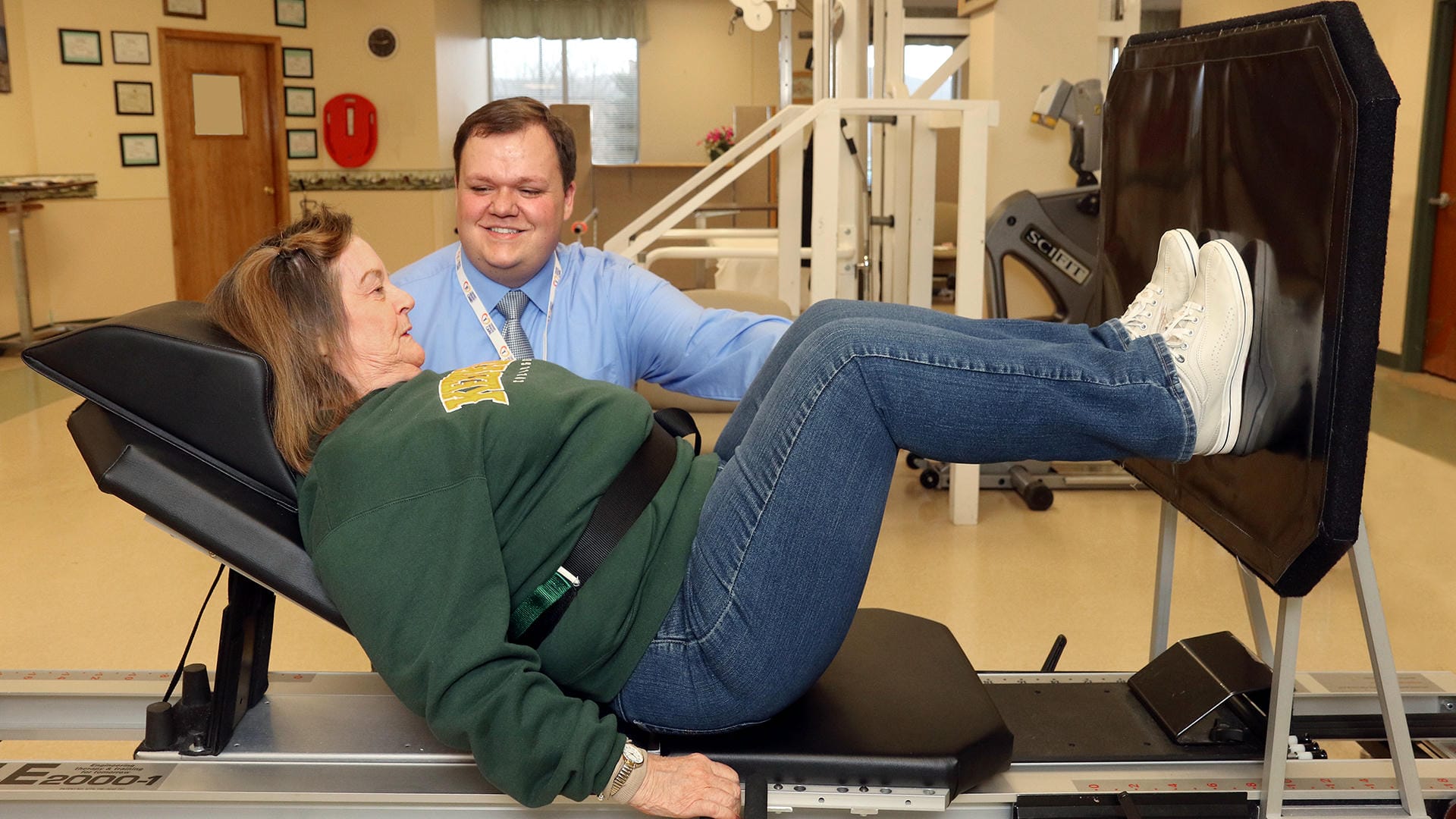
Location traps people. Sitting up in Ulster County, New Paltz Center takes on the chaos of these transfers. They push hard on Cardiac Care. Shattered joints go straight into their Orthopedic Care protocols. Brain injuries operate on a brutal stopwatch. Their Short-Term Rehab crew hits Stroke Care aggressively because dead neurons don’t wait around. The physical reality of a resident can pivot overnight. When a fast discharge falls apart, the facility shifts directly into Long-Term Care without missing a beat.
Care. Support. Positive Outcomes. Centers Health Care.
Nobody shares the same finish line. Independence means something entirely different to a guy with a new hip versus a woman fighting a failing heart. Progress gets nasty. Setbacks happen constantly. We exist to drag residents through the absolute worst days of their physical decline.
Huge leaps occur occasionally. Mostly, you fight for a single inch of mobility. We track every single one.
We refuse to impose a universal finish line. Mastering three carpeted stairs unassisted represents a massive victory for one resident. Managing a fresh cardiac diagnosis with zero panic attacks might be another’s entirely. Healing gets incredibly messy. We stay present through the inevitable brutal days, pushing residents toward their absolute highest physical threshold.
Sometimes progress jolts forward unpredictably. Mostly, it creeps along in tiny, stubborn increments. Every single inch counts.
Our Steps to Home series follows patients through rehabilitation and the journey from hospital to home: