Helping Seniors Stay Heart-Healthy Through the End of Summer: Senior Cardiac Care in New York
At two o’clock, the sweater is in somebody’s lap and the shady side of the street has become valuable. Late August in Elizabethtown does that. A cool start can turn damp by lunch, with a thunderstorm arriving after a perfectly decent morning.
Heart recovery has to live inside those ordinary changes. A person may feel fine over breakfast, then wilt halfway back from the mailbox. Humid air, a skipped drink, one blood-pressure pill doing its job and fifteen extra minutes outside can pile up rather fast. Seasonal hibernation solves nothing. Check the day’s heat and air-quality forecast, know the numbers in the care plan, and keep an indoor option handy. If the morning is off, call it an off morning. Tomorrow is still available.
Senior Cardiac Care Changes When Heat and Humidity Rise
At noon, two well-meaning relatives can give opposite orders. “Finish the bottle.” “Watch the fluid limit.” Both may remember a true instruction, just from a different day.
Sort that out before the hot spell. Put the current medication list beside the written cardiac care plan and ask one person who can answer for both. Summer can alter the equation: sweat removes fluid, the heart sends more blood toward the skin, and some prescriptions change blood pressure or heat tolerance. A diuretic adds another moving part. The prescriber may keep everything exactly as it is. Good. Now the family knows instead of guessing.
The weather check takes a minute. New York’s 2026 guidance points residents to HeatRisk and air-quality readings, since a merely hazy afternoon may be a poor time for exertion. Ozone tends to build later in the day. Walk after breakfast when conditions cooperate. On a rough day, the route can be the corridor and the exercises can happen in a chair.
One odd detail belongs on the refrigerator: a fan is not reliable cooling once the indoor temperature passes 90°F. Find air conditioning. The pills stay on their prescribed schedule, and the argument over the bottle is settled by the care plan.
A Senior Cardiac Care Routine That Catches Small Changes
Tuesday’s blood-pressure reading can look perfectly ordinary. By Friday there are four readings, two mornings of swollen ankles and a note that getting dressed caused breathlessness. Now there is something useful to report.
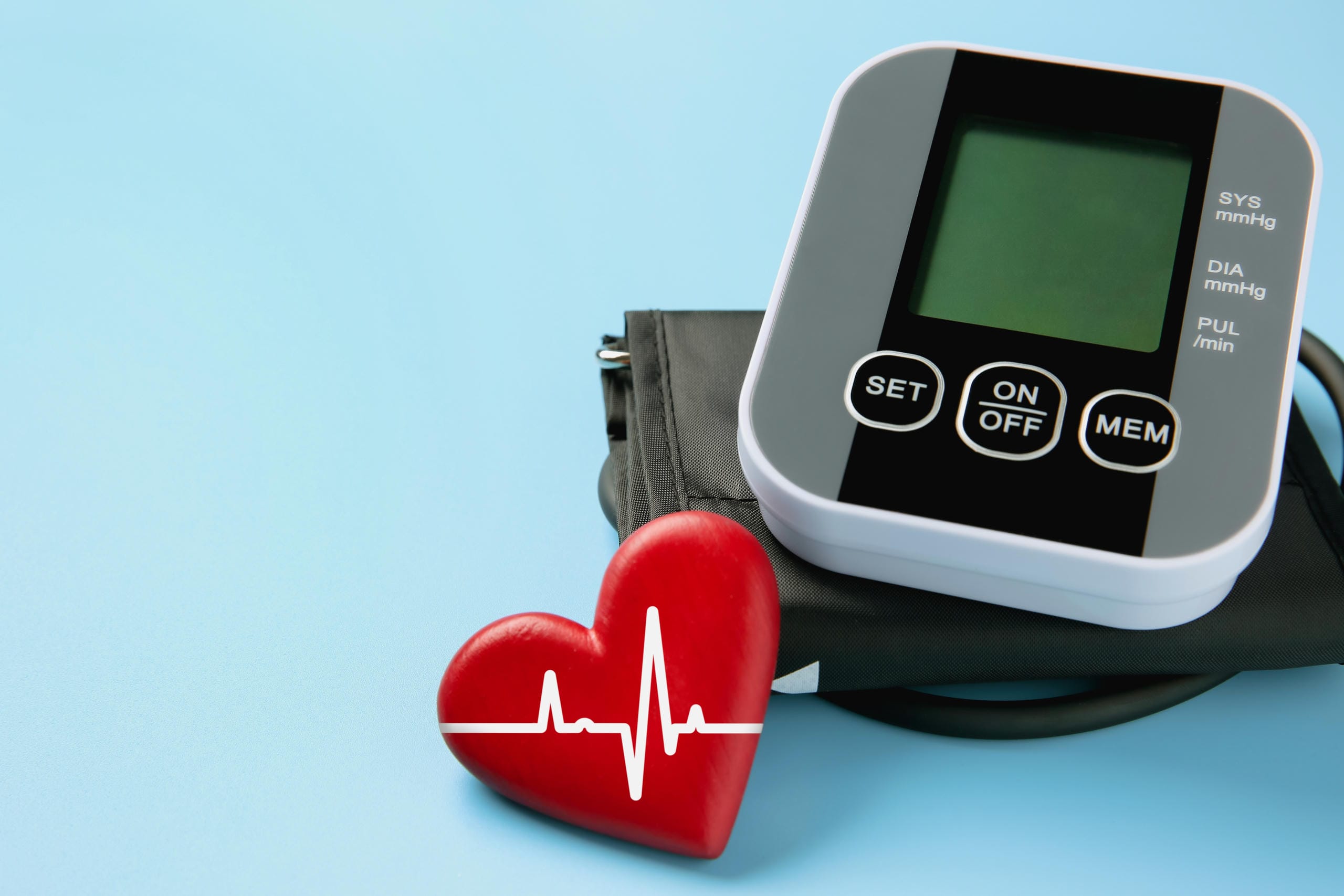
If daily weights were ordered, take them after the bathroom and before breakfast, using the same scale and similar clothing. Write down the pulse and blood pressure after five quiet minutes. Add a few plain words: slept flat, needed two pillows, shoes tight, dizzy at the sink, walk felt easy. A phone photo of the page works better than trusting somebody to remember the week.
Heart-failure plans commonly use a gain of two or three pounds in 24 hours, or five pounds across a week, as a reason to contact the care team. Follow the threshold written for that individual. New trouble breathing at rest, a growing need for pillows, fainting, persistent dizziness, unusual exhaustion or a pulse that suddenly feels erratic belongs in the same conversation.
Dizziness right after standing may prompt an orthostatic check: one pressure taken seated or lying down, another after the person gets up. Have help nearby. Falling while trying to collect a “good” reading defeats the exercise.
Movement Still Belongs in Late-Summer Senior Cardiac Care
Cardiac recovery does poorly with heroics. The useful session is repeatable.
A rehab hallway is a lousy place to prove a point. Begin slowly and let the first five or ten minutes serve as a warmup. The old “talk test” is useful here. If somebody can answer a question in a full sentence, the pace is probably reasonable. Once the answers come out in clipped little pieces, ease back.
Some therapists use the Borg exertion scale, the slightly peculiar one that runs from 6 to 20. A rating near 11 should feel fairly light; 13 is “somewhat hard.” Where a patient belongs within that range depends on the cardiac plan, medications and what recovery has looked like so far.
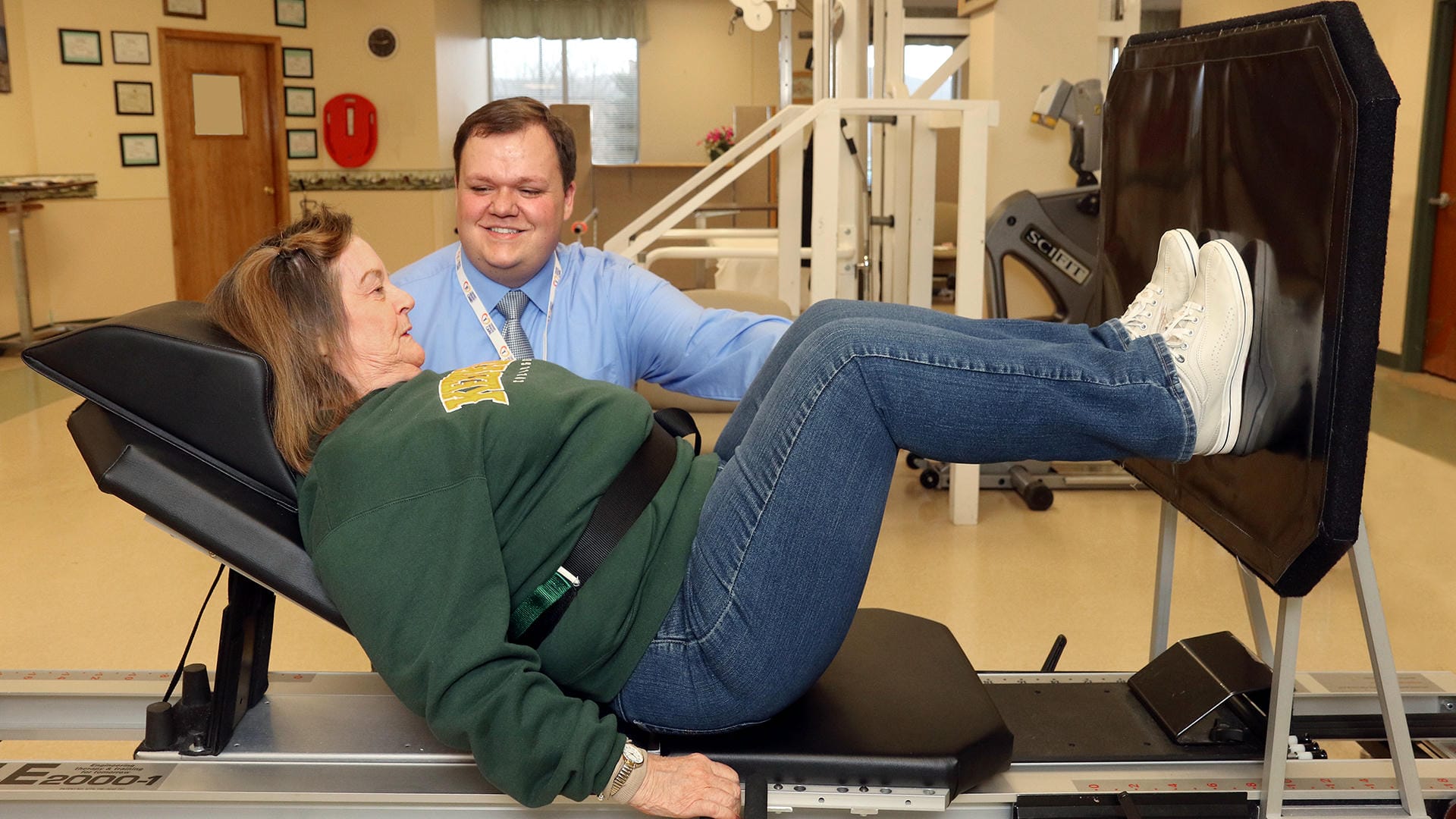
Thirty uninterrupted minutes may look satisfying on an exercise sheet and feel dreadful in practice. Three shorter walks can accomplish more without wiping out the rest of the day. Strength work needn’t resemble a gym session, either. Standing up from a chair and sitting down again takes work. So do heel raises while holding a counter. The therapist sets the repetitions and decides how much support is needed.
Stroke recovery complicates even a short walk. A weak side may drag after several steps. Turning can require more concentration than walking straight, particularly when balance or spatial attention has been affected.
Nobody supervising an exercise session should be trying to decide whether chest pressure is indigestion. End the exercise and tell the nurse. The same applies when a resident goes pale, breaks into a sweat, feels faint or says his heart is behaving oddly. Maybe it turns out to be nothing urgent. That judgment belongs to the clinical staff.
Stroke signs leave even less room for discussion. A crooked smile, one arm dropping or suddenly garbled speech means 911. So does crushing chest pain or breathing that has become seriously difficult. Put away the stopwatch.
The Late-Summer Details People Forget
The plate looks harmless enough. A hot dog, a spoonful of prepared salad, some chips. Add pickles, because it is August. The sodium total is another story, especially when “one serving” on the bag bears no relationship to what landed beside the napkin.
I wouldn’t cancel the family cookout over it. I would check labels, choose what is worth eating and watch what happens afterward. Shoes getting snug, breathing feeling heavier, tomorrow’s weight moving the wrong way: those details belong in the log, not in a lecture at the picnic table.
The substitute shaker can be sneakier than the salt. Many versions contain potassium. That may clash with a cardiac prescription, so bring the brand name to the pharmacist and ask. Do the same with grapefruit if it is part of breakfast. Food and medicine have peculiar grudges.
Heat creates one final nuisance. A parked car becomes an oven, including the glove compartment where somebody tucked the pills “for safekeeping.” Take them inside and follow the storage instructions. Poor sleep after a sticky night can also wreck the grand exercise plan. Fine. Eat, check the pulse and pressure, then decide whether this is a walk day or a shorter, quieter morning.
Senior Cardiac Care at Essex Center
Recovery rarely stays in one lane. The person rebuilding cardiac endurance may also have pain during transfers, weakness left by a stroke, or a medication change that turns an ordinary shower into hard work.
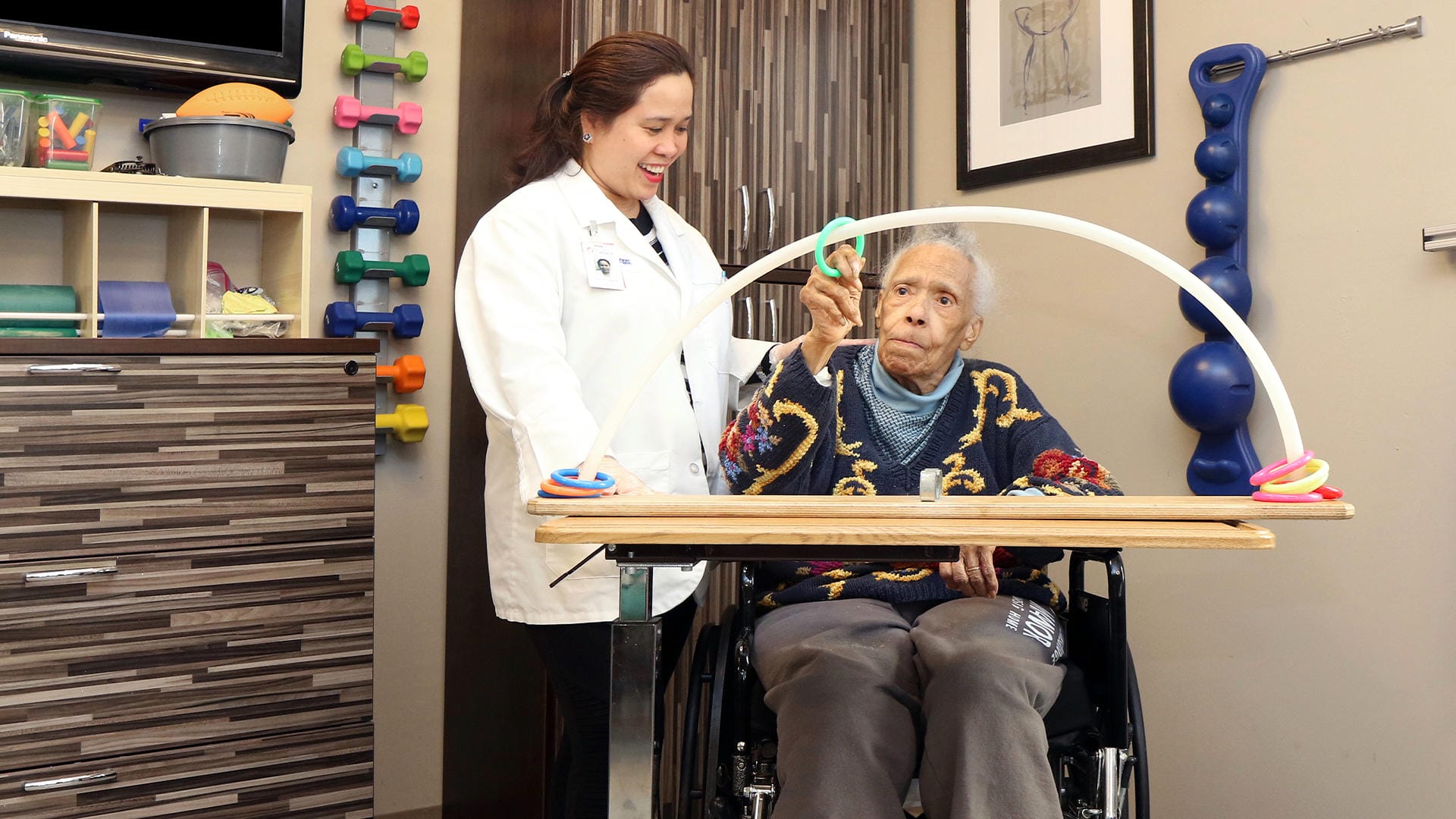
That overlap is familiar at Essex Center in Elizabethtown. Cardiac care and short-term rehab can address stamina, movement and the practical work of getting home. Stroke care and pain management enter when those needs are part of the same Tuesday morning, as they often are. Nursing staff can watch how the plan holds up outside the therapy session.
Some stays are short. Other residents need the steady structure of long-term care. The diagnosis on the first page still does not tell staff how the afternoon went.
Care. Support. Positive Outcomes. Centers Health Care.
A day can be measured in surprisingly small units after illness: one transfer with less help, half a hallway without stopping, breakfast finished while it is still warm. Families notice these things. So do staff.
At Centers Health Care, short-term rehabilitation may be the route back after a hospital stay. Cardiac care helps set a safe pace. Pain management can make the next repetition possible, while stroke care deals with changes in movement, speech or daily tasks. Skilled nursing follows the clinical side throughout the day. Long-term care remains available for residents whose support cannot be packed into a brief stay.
Home is one goal, though it is not everybody’s goal. Comfort, steadier function and holding onto a piece of independence are valid destinations. There will be rough sessions. Somebody will be annoyed by Thursday. Then Friday may produce the first unassisted stand.
Our Steps to Home series follows patients through rehabilitation and the journey from hospital to home.
Our Steps to Home series follows patients through rehabilitation and the journey from hospital to home: