Nursing Home Rehab in the Bronx: What Families Should Know Before Admission

The call from the hospital discharge coordinator usually comes faster than anyone’s ready for. Your parent had a stroke two days ago, or a hip replacement, and suddenly there are forms to sign and decisions to make about nursing home rehab in the Bronx — a borough with dozens of facilities, varying wildly in what they actually offer. Most families walk in underprepared. It’s simply how the system works.
What Short-Term Rehab Actually Involves
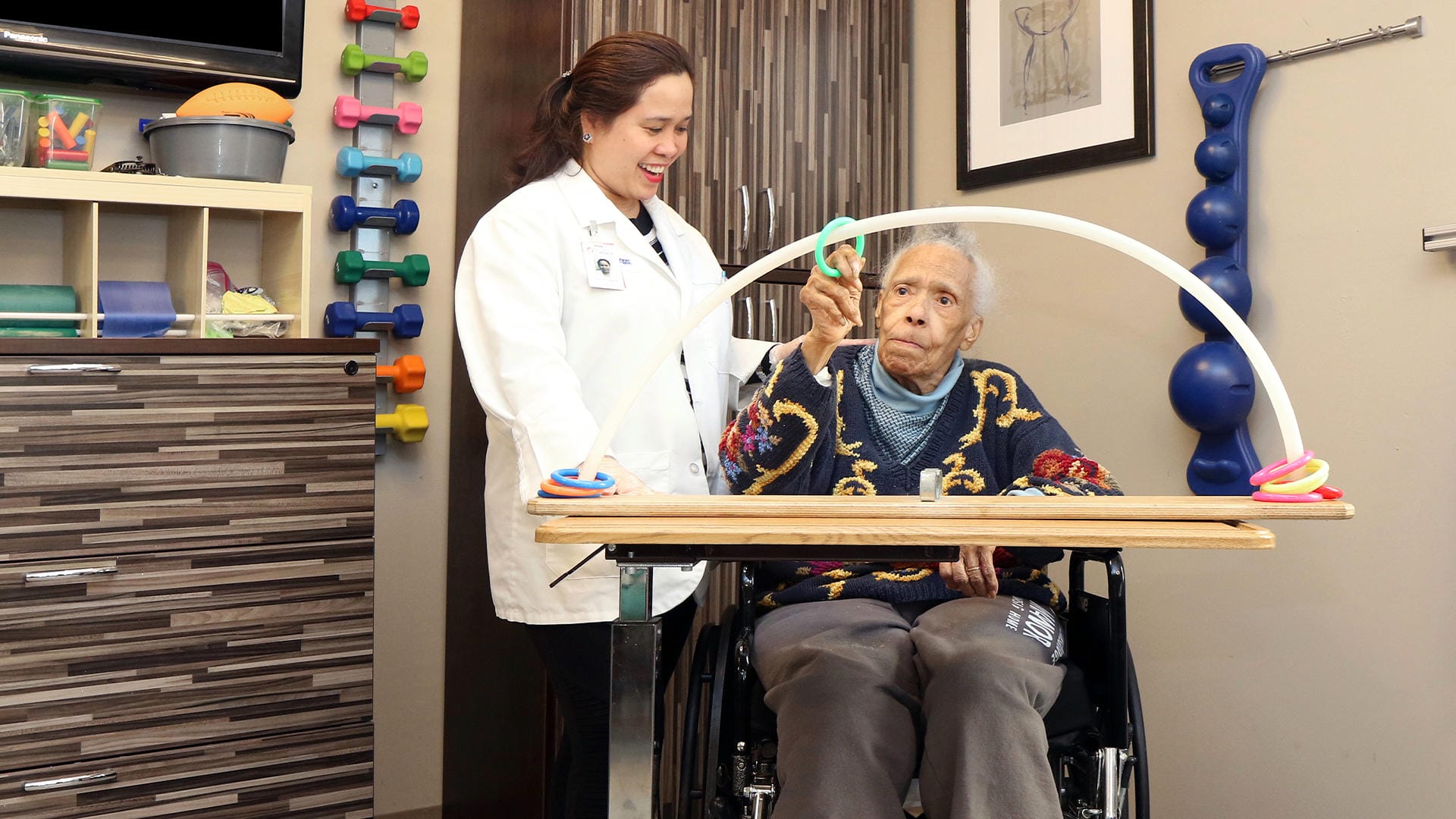
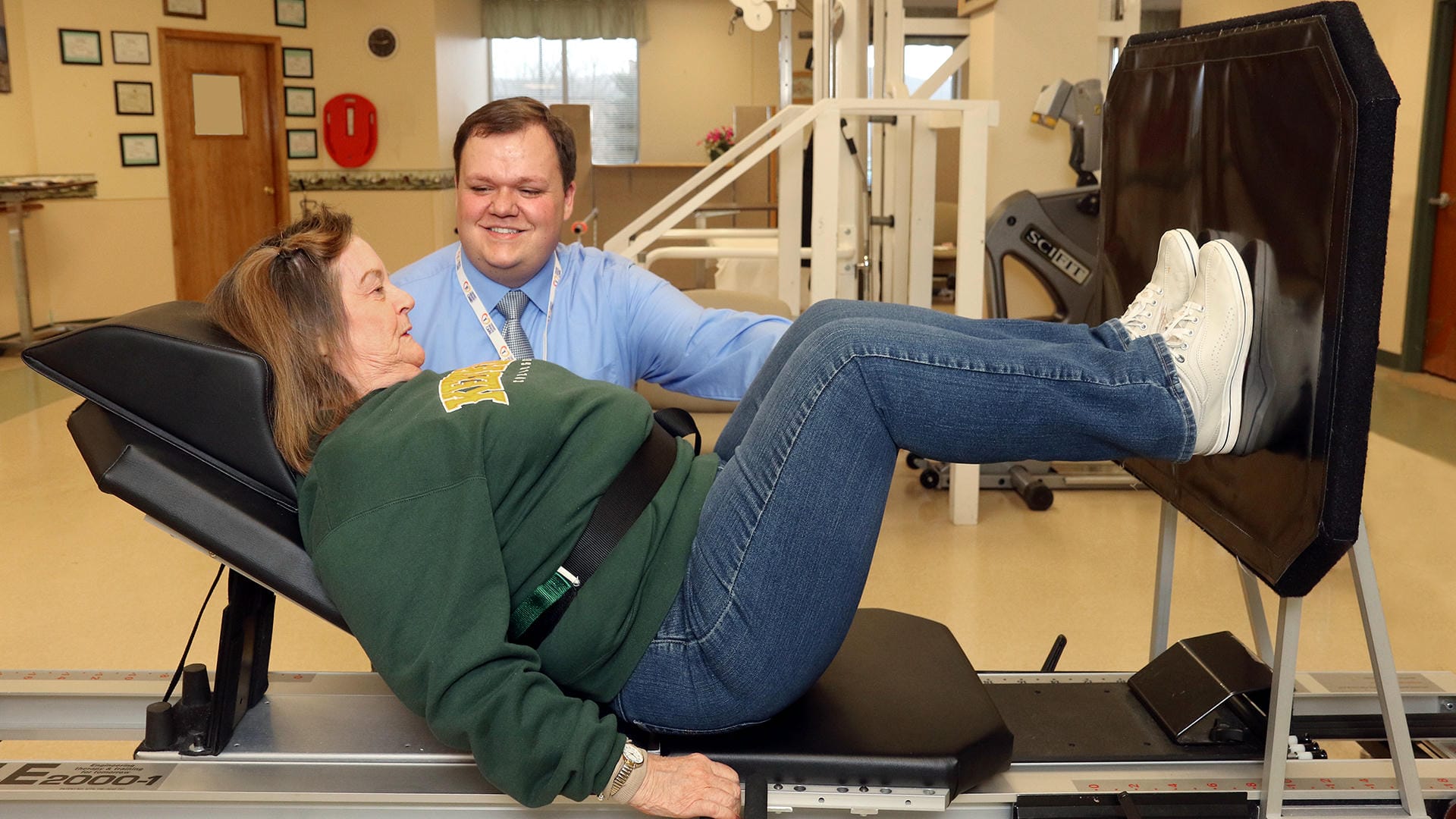
Short-term rehab at a skilled nursing facility isn’t a single thing. It’s a stack of services running simultaneously — physical therapy rebuilding gait and strength, occupational therapy re-teaching daily tasks like dressing and cooking, speech therapy addressing swallowing or communication deficits that showed up after a neurological event. A multidisciplinary team — doctors, nurses, and therapists — works together around a focused treatment plan aimed at returning patients to function as quickly as the clinical picture allows.
What trips families up is assuming all rehab programs are equivalent. Intensity varies. Skilled nursing facilities typically deliver one to one and a half hours of therapy per day, three to five days per week, compared to higher-intensity inpatient settings — so the trajectory of recovery at a given SNF is directly tied to how consistently and how well that therapy gets delivered. The questions worth asking before admission aren’t about amenities. They’re about staffing ratios, how therapy hours are actually scheduled, and whether specialists in cardiac or neurological care are on staff or just consulted from outside.
Stroke Care and Cardiac Recovery: The Bronx Context
About 25% of stroke patients discharged from the hospital go directly to a skilled nursing facility for post-acute rehabilitation. The complexity of what those patients need varies considerably — some arrive with mobility deficits, others with aphasia or cognitive gaps, many with both. The American Heart Association’s SNF Stroke Rehabilitation Certification framework lays out what good looks like: evidence-based processes in program management, care coordination, clinical management, and patient and caregiver education at every phase of care. Most facilities don’t hold that certification. Worth asking whether the one you’re considering has a documented stroke protocol at all.
Cardiac rehab in a nursing home context is a different animal than what you’d find in a hospital-based program. The goal post-hospitalization for cardiac patients — whether recovering from heart failure, a bypass, or a significant arrhythmia event — is building tolerance incrementally without triggering another acute event. That requires nurses and therapists calibrated to cardiac warning signs, not just general rehabilitation technique.
Orthopedic Rehab: Where SNFs Often Shine
Hip replacements, spinal surgeries, post-fracture stabilization — orthopedic cases fill a large portion of short-term rehab beds at Bronx SNFs, and there’s a reason for that. The recovery arc is demanding but follows a knowable path: progressive weight-bearing, joint mobilization, ambulation with assistive devices, and then gradually without them. Two weeks for an uncomplicated knee replacement in a younger patient. Six to eight weeks for an older adult dealing with a hip fracture on top of osteoporosis and controlled diabetes.
The complication no one plans for is when something sideways happens mid-recovery. A surgical wound that stalls. Pain that isn’t controlled well enough to let the patient actually engage in therapy. A fall that walks back three weeks of gains. Whether those complications get managed inside the facility or bounce out to outside specialists makes a significant difference in how much continuity the patient retains.
Wound Care and Pain Management: Not Afterthoughts
Chronic wounds in SNF settings can be life-threatening if infection and sepsis develop from inadequate care — a fact that still doesn’t get enough attention in how families evaluate facilities. Seniors often have diminished pain signals, making pain assessment and appropriate treatment genuinely difficult, and multiple comorbidities requiring medications that can slow wound healing compound the problem. Diabetes, compromised circulation, weakened immune function — these aren’t edge cases in a Bronx nursing home rehab population. They’re common.
Facilities that handle this well embed wound care specialists into weekly clinical rounds rather than calling them in after a wound has already deteriorated. Pain management at a rehab level isn’t only about post-surgical discomfort. It’s about making therapy sessions possible — a patient managing uncontrolled pain won’t tolerate the physical work recovery requires.
What Long-Term Care Looks Like When Short-Term Rehab Doesn’t Go as Planned
Families are frequently given 48 hours or less notice before a loved one is discharged from a rehab stay — before they’re actually safe to return home. In cases where the patient’s condition doesn’t allow for discharge — progressive neurological decline, complex wound cases, severe functional loss — the question of long-term placement becomes immediate. A facility that handles both short-term rehab and long-term care under one roof matters here. Continuity of medical relationship, familiarity with the patient’s history, staff who already know the family — none of that is trivial.
Choosing a Facility: The Questions That Actually Matter
Before signing admission paperwork, some questions cut deeper than others. Staffing ratios on overnight and weekend shifts — not the daytime numbers prominently listed in any brochure. Whether wound care runs through in-house specialists on regular rounds or through outside referrals that take days to schedule. How therapy goals get written and who updates them when progress plateaus or the clinical picture changes. Discharge planning is another one: in better facilities it starts at admission, not two days before the insurance clock runs out.
Location matters. So does the room. Neither of those determines what kind of recovery a person actually has.
About Williamsbridge Center
Families who’ve been through a hospital discharge know how fast the list of needs compounds. Williamsbridge Center serves the Bronx with Short-Term Rehab, Cardiac Care, Stroke Care, Orthopedic Care, Pain Management, Wound Care, and Long-Term Care — the kind of breadth that matters when a patient’s recovery doesn’t stay inside one clinical lane. Worth a call before admission decisions get made under pressure.