Orthopedic Rehab After a Fall: Why Summer Recovery Plans Need Structure
It’s usually something stupid. A throw rug that shifted. A step down from a curb that was slightly higher than expected. The circumstances feel almost insulting given what follows — weeks of rehab, maybe surgery, definitely a conversation nobody was ready for.
Falls wreck schedules, independence, and sometimes the trajectory of the next several years. Over a quarter of adults 65 and up fall at least once a year. Many of those falls end with a fracture. Hip, wrist, spine — the injury itself is survivable. The aftermath, if it’s handled sloppily, often isn’t.
Summer is actually when this gets complicated in ways that don’t get discussed enough.
Why Summer Is a Harder Season for Orthopedic Rehab After a Fall
Winter gets the reputation. Icy stoops, slick floors, the whole seasonal argument. Summer doesn’t get the same scrutiny and probably should.
Heat and dehydration mess with blood pressure regulation. For older adults — especially those on diuretics, antihypertensives, or medications that cause dizziness as a side effect — a hot afternoon can produce exactly the kind of orthostatic drop that precedes a fall. The person wasn’t unwell. They stood up too fast in the wrong conditions. That’s enough.
And then there’s what happens after the fall, during recovery. Summer disrupts the scaffolding around rehabilitation. Families scatter for vacations. Adult children who were doing twice-weekly check-ins are suddenly in Cape Cod for two weeks. PT appointments get skipped once, then twice. The logic is: he seems better. She’s walking around the apartment fine. They don’t need me to drive them this week.
Muscle doesn’t see it that way. Strength gains from even a few weeks of structured physical therapy can erode quickly with inconsistent effort. The window for optimal recovery after a fracture is not open indefinitely.
What Orthopedic Rehab After a Fall Looks Like in Practice
Hip fractures take the longest. Usually surgery, then inpatient, then a skilled nursing or rehab facility — and that’s before outpatient PT even starts. Realistically you’re looking at months, not weeks. Wrist fractures are a shorter road but OT is still part of it because grip and range of motion don’t just come back without work. Shoulder, knee — each one has different rules depending on what got repaired and when. What stays consistent across most of them is the combination of PT, pain management, and occupational therapy. Take one out and the others don’t work as well.
Across all of them, a few things hold.
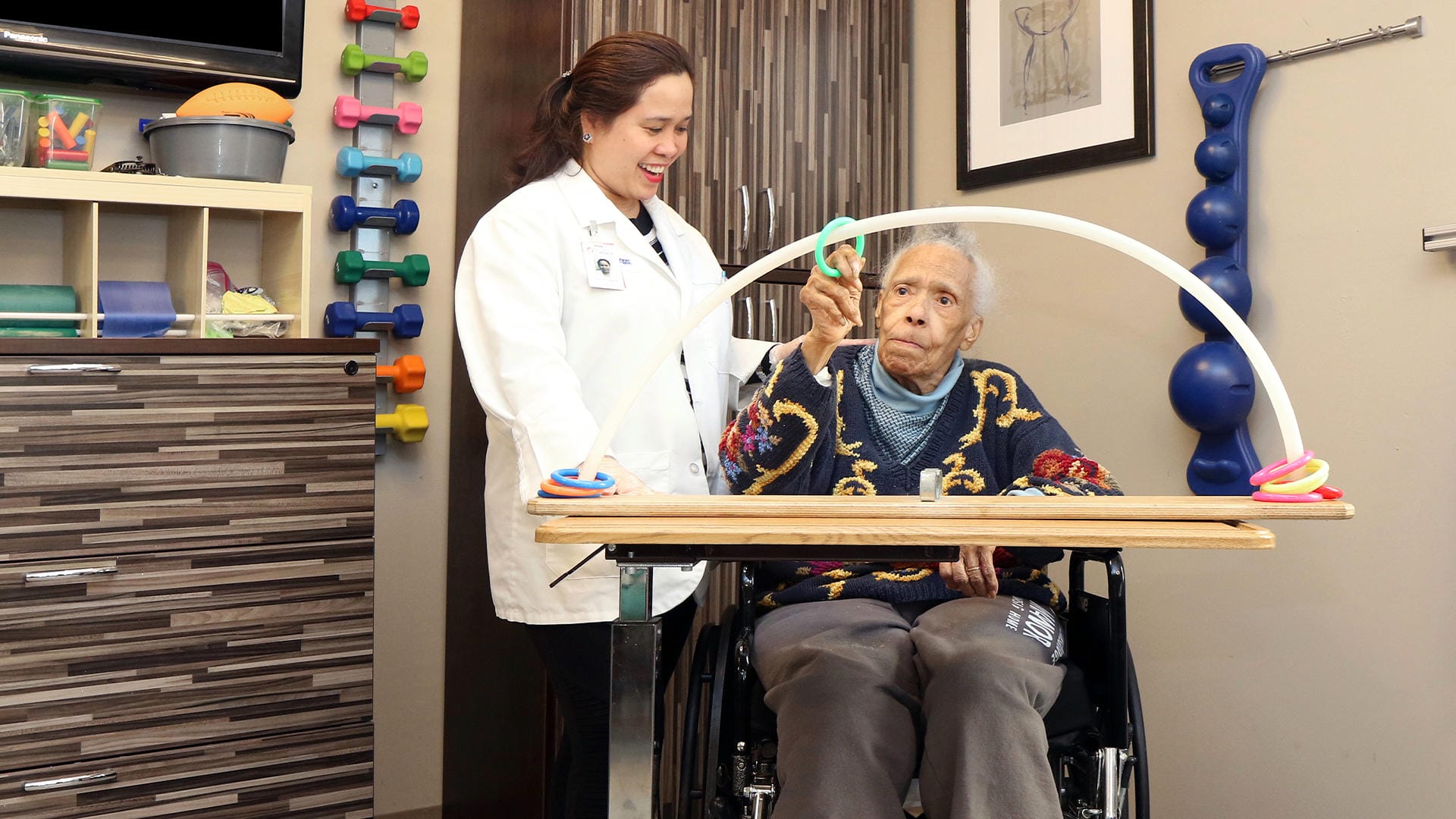
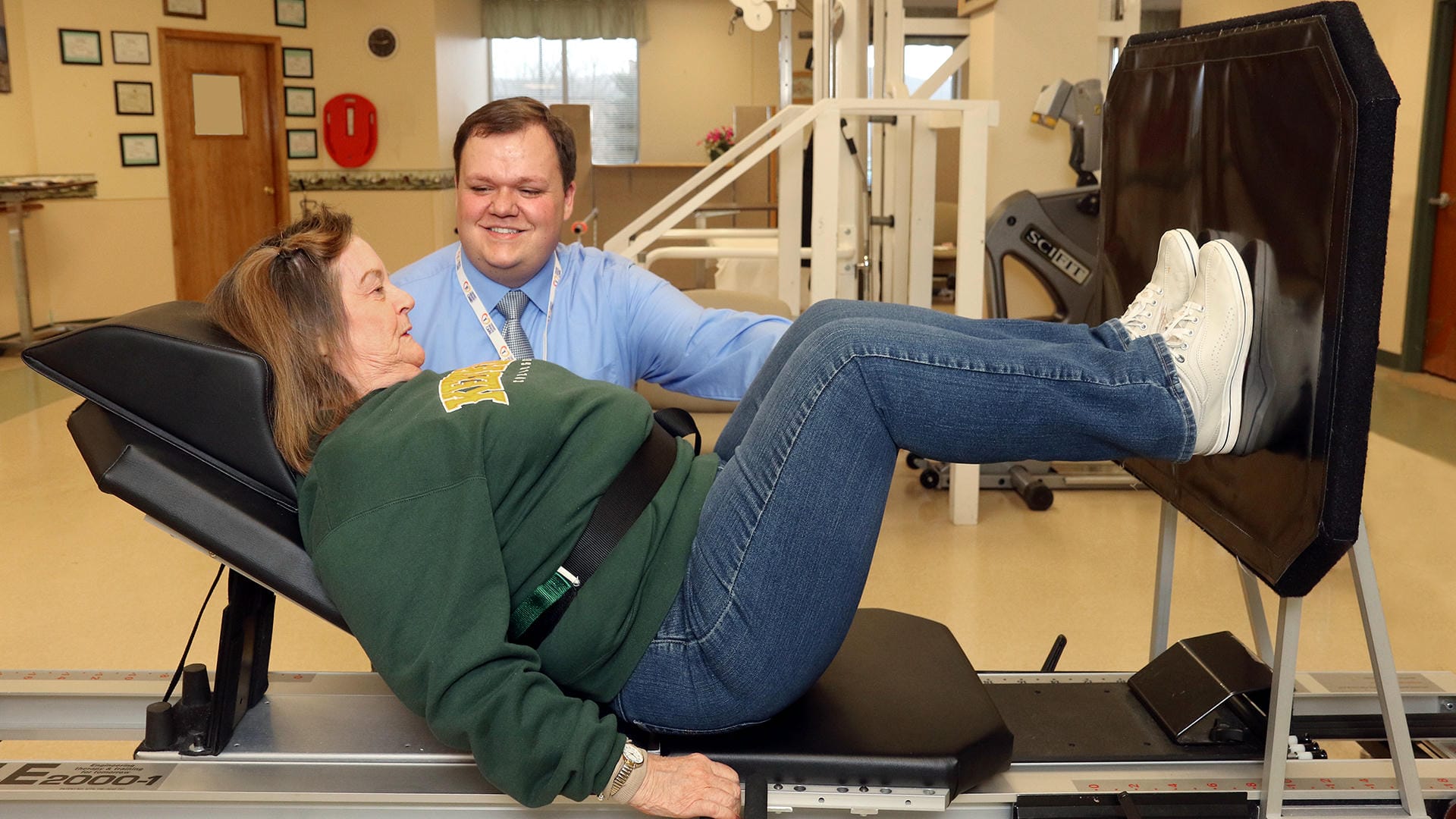
Physical therapy is the core. Not just exercising the injured limb — rebuilding the postural control and balance mechanisms that failed or got bypassed during recovery. Gait retraining. Progressive weight-bearing. Balance drills that feel tedious until they’re the reason someone doesn’t fall again six months later. A skilled PT isn’t just healing what broke. They’re finding what went wrong mechanically and fixing it so the next near-miss doesn’t land the same way.
OT (Occupational therapy) gets underestimated. What it actually covers: bathing, dressing, stairs, getting out of bed without grabbing the wrong thing. The mundane stuff that determines whether someone can live alone. Clinical data suggests up to 60% of older adults don’t fully return to their pre-fall mobility level after a fall injury. Often the deficit isn’t physical in the narrow sense. It’s confidence. It’s compensatory habits that developed during recovery and then stuck around. OT works through all of that.
Pain management sits underneath both of these. A patient who’s undertreated for pain won’t push through the rehab work they need to do. They’ll protect the injury, limit movement, and end up weaker than they started. Managing pain aggressively and early isn’t coddling — it’s what keeps the rehab process moving.
The Rehabilitation Plan Nobody Writes Down
Discharge often means: here’s a PT referral, good luck. No one calling plays between the orthopedist, the physical therapist, and whoever the primary care doctor is. The patient does their exercises sometimes. The family figures they’d know if something was wrong.
Three weeks later the patient is moving worse than at discharge. They’ve been avoiding the stairs. They’re afraid to go outside alone.
Structure is the thing that prevents this. Not elaborate structure — a documented care plan, scheduled sessions, measurable benchmarks, a team that actually shares information. That’s it. The research on post-acute orthopedic rehab is pretty consistent here: patients with structured, supervised recovery programs do significantly better than those without. The gap in outcomes isn’t close.
In New York especially, where post-acute options range from excellent to terrible and back again, knowing where to go matters as much as going.
Boro Park Center: Orthopedic Care and Pain Management in Brooklyn
Brooklyn families looking at post-acute options usually land on Boro Park Center eventually, and for good reason. Boro Park Center sits at 4915 10th Avenue and handles orthopedic rehab, pain management, short-term and long-term care, PT, OT, and wound care. One facility, not a referral carousel. The rehab gym was recently expanded and renovated specifically to support individualized treatment programs at scale. What sets Boro Park Center apart isn’t just the clinical capacity — it’s that the facility is genuinely embedded in the communities it serves. Patients here aren’t being processed through a generic system. The staff here isn’t learning the community on the fly — they’re already in it. For a patient coming out of a fracture who needs a recovery plan that actually gets followed through on, that’s not a trivial thing.
Care. Support. Positive Outcomes. Centers Health Care.
Centers Health Care provides rehabilitation, skilled nursing and long-term care for people with a wide range of needs. Whether someone is recovering from surgery, managing an illness or simply needs more support than can be provided at home, our staff is there to help.
The goal is not exactly the same for everyone. It may be returning home, becoming stronger, staying independent or simply feeling better and more comfortable from one day to the next. There will be progress, setbacks and difficult days along the way. Our job is to be there through all of it, and to help each patient or resident get as far as he or she can.
Sometimes that progress comes in large steps. More often, it comes in small ones. Either way, every step matters.
Our Steps to Home series follows patients through rehabilitation and the journey from hospital to home: