
Wound Care After Surgery: How Skilled Nursing Can Help Prevent Setbacks
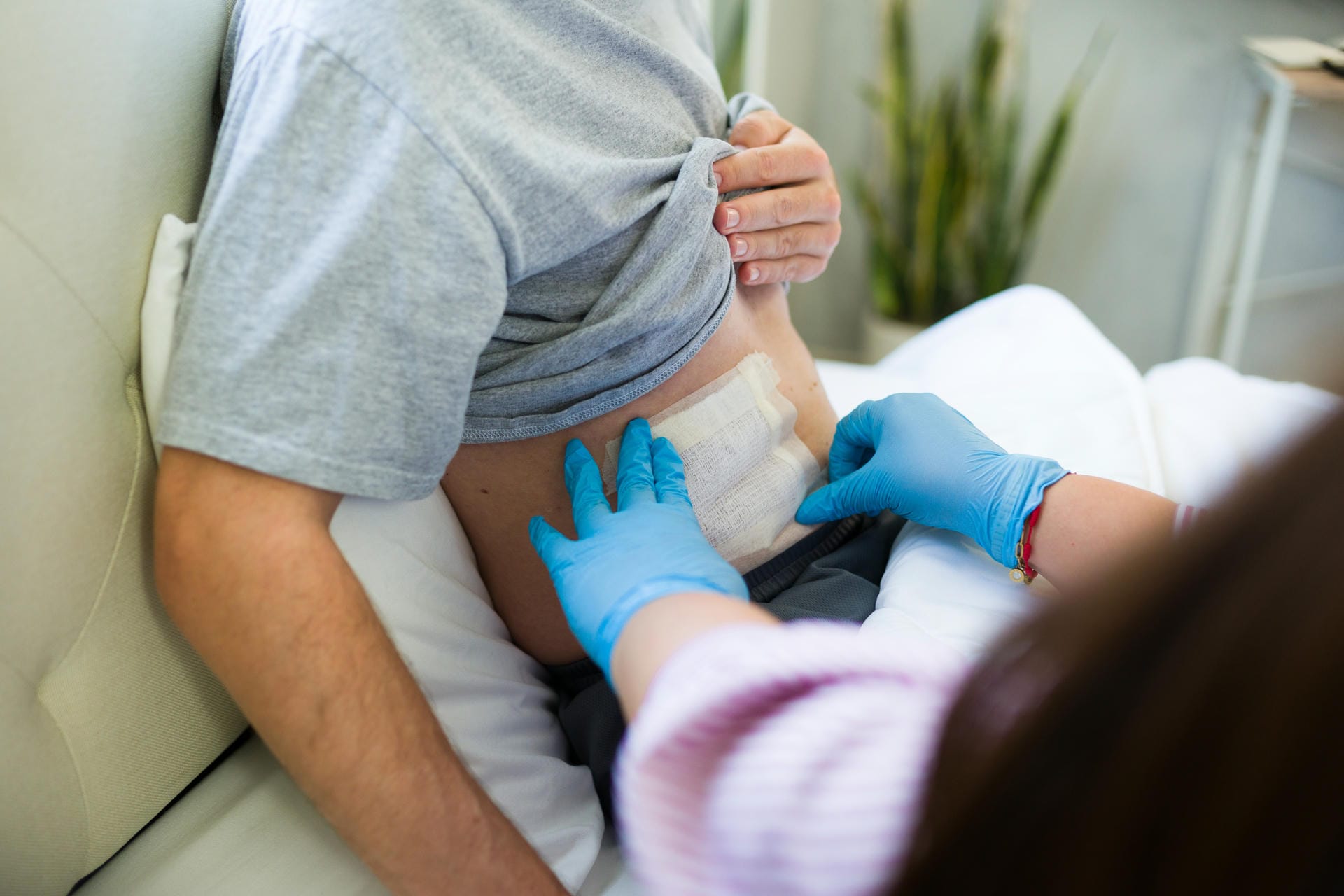
Hospitals discharge patients faster than they used to, sometimes within a day or two of major orthopedic or cardiac procedures, and the bulk of actual healing happens somewhere else. A wound that looked appropriately angry on day two can look the same on day eight for completely different reasons, and most families have no baseline for telling the difference without proper wound care.
Surgical site infections affect an estimated 2–5% of patients undergoing inpatient procedures, according to CDC data, and a significant portion develop after discharge — when professional oversight drops off and family members are left making judgment calls they’re not trained for. Redness that’s normal inflammation versus redness that signals infection looks nearly identical to an untrained eye.
There are three overlapping phases an incision moves through. Inflammation in the first couple days brings redness, warmth, some swelling — normal, expected, often mistaken for infection by people who’ve never watched a wound heal before. Then tissue starts rebuilding, and this is the stretch where things tend to go wrong if nobody’s paying attention. Infection at this stage doesn’t always announce itself loudly. Sometimes it’s just a slight shift in drainage color that a trained eye catches and an untrained one doesn’t.
Wound Care After Surgery Involves More Than Changing a Bandage
Sterile technique matters more than people think. Hand hygiene before touching the site, proper handling and disposal of old dressings, recognizing when a wound vac setting needs adjusting — none of this is obvious if you’re learning it for the first time at your kitchen table with a how-to video paused on your phone.
Nutrition gets less attention than it should. Collagen synthesis — the actual rebuilding of tissue — depends heavily on protein intake, and a lot of post-surgical patients have appetites that tanked along with everything else. Nobody’s tracking ounces of chicken at home the way a facility tracks intake. Hydration plays into this too. Poorly hydrated tissue doesn’t get the blood flow it needs, and blood flow is what carries oxygen and nutrients to the site that’s trying to close.
Pain factors in here in a way that’s easy to underestimate. Someone in real pain moves less. Less movement means less circulation to extremities, more stiffness building up in joints that are supposed to be in rehab, and sometimes pressure points developing on skin that’s already compromised. Getting pain under control isn’t only about comfort — it’s part of the wound healing equation itself, and it affects how willing someone is to do the physical therapy that’s keeping the rest of their recovery on track.
Why Wound Care After Surgery Benefits From Round-the-Clock Eyes
Once a day, maybe twice. That’s the realistic ceiling for how often a family member is going to pull back a dressing and actually look. On a skilled nursing floor it’s every shift, sometimes more if there’s a reason to keep an eye on something specific. Heavier drainage than the day before, skin that’s a touch warmer around the incision, a smell that wasn’t there yesterday — none of these show up on a schedule, and catching them on day one instead of day three is usually the whole game.
New York facilities in 2026 are working under wound assessment protocols that track healing numerically and photographically over time, building a record physicians can review without needing an in-person visit for every small change. That speeds up decisions — a dressing change, an oral antibiotic, a call back to the surgical team — instead of waiting for the next scheduled appointment.
Joint replacement recovery has its own wrinkle. The incision sits directly over a joint that has to move for rehab to work, but movement creates tension on tissue that’s still closing. Therapy and nursing staff have to coordinate on this daily, adjusting how hard to push based on how the site looks that morning. When those two teams are reviewing the same chart and sitting in the same care meetings, that balancing act goes a lot smoother than when a surgeon, a home health aide, and a therapist are each working from their own version of events.
Cardiac surgery brings sternal precautions into play — even coughing wrong can stress that incision if nobody’s coached the patient on how to brace properly. Stroke recovery sometimes involves wound concerns too, particularly pressure-related skin issues from reduced mobility, or sites where IV lines or feeding tubes were in place during the hospital stay.
What Families Should Watch For
- Redness spreading outward from the incision, not just at the edges
- Drainage that’s increased, or turned yellow, green, or cloudy
- A new or stronger odor
- Fever over 100.4°F
- Pain getting worse instead of better, especially if medication isn’t touching it
- Wound edges pulling apart
Any of these is worth a call. Don’t sit on it for a day to see if it settles down.
Holliswood Center: Wound Care and Short-Term Rehab in Queens
Holliswood Center runs wound care and short-term rehab side by side, not as separate departments handing off paperwork. Nurses handling dressing changes and therapists working on mobility are looking at the same chart, which sounds bureaucratic until you consider what happens when they’re not — a therapy plan that ignores how an incision is healing, or a wound protocol that doesn’t account for what rehab is asking the body to do that week. The center also covers cardiac care, stroke care, orthopedic care, pain management, and long-term care. A family standing in a hospital discharge office, trying to figure out where someone goes next, is usually just trying to avoid more phone calls and more providers who’ve never spoken to each other.