Rehab After a COPD or Cardiac Setback: What Families Should Ask

Rehab after a cardiac setback becomes the thing that determines whether the next six months go well or badly — and most families don’t start asking the right questions until they’re already in the middle of it.
COPD exacerbations follow a similar arc. A flare lands someone in the hospital, oxygen levels stabilize, breathing improves enough to clear discharge criteria, and then — home, with a walker maybe, and a stack of new medications nobody fully explained. Cardiac care and pulmonary recoveries don’t look identical, but the planning questions families need to ask overlap more than you’d think.
What “Rehab After a Cardiac Setback” Actually Involves
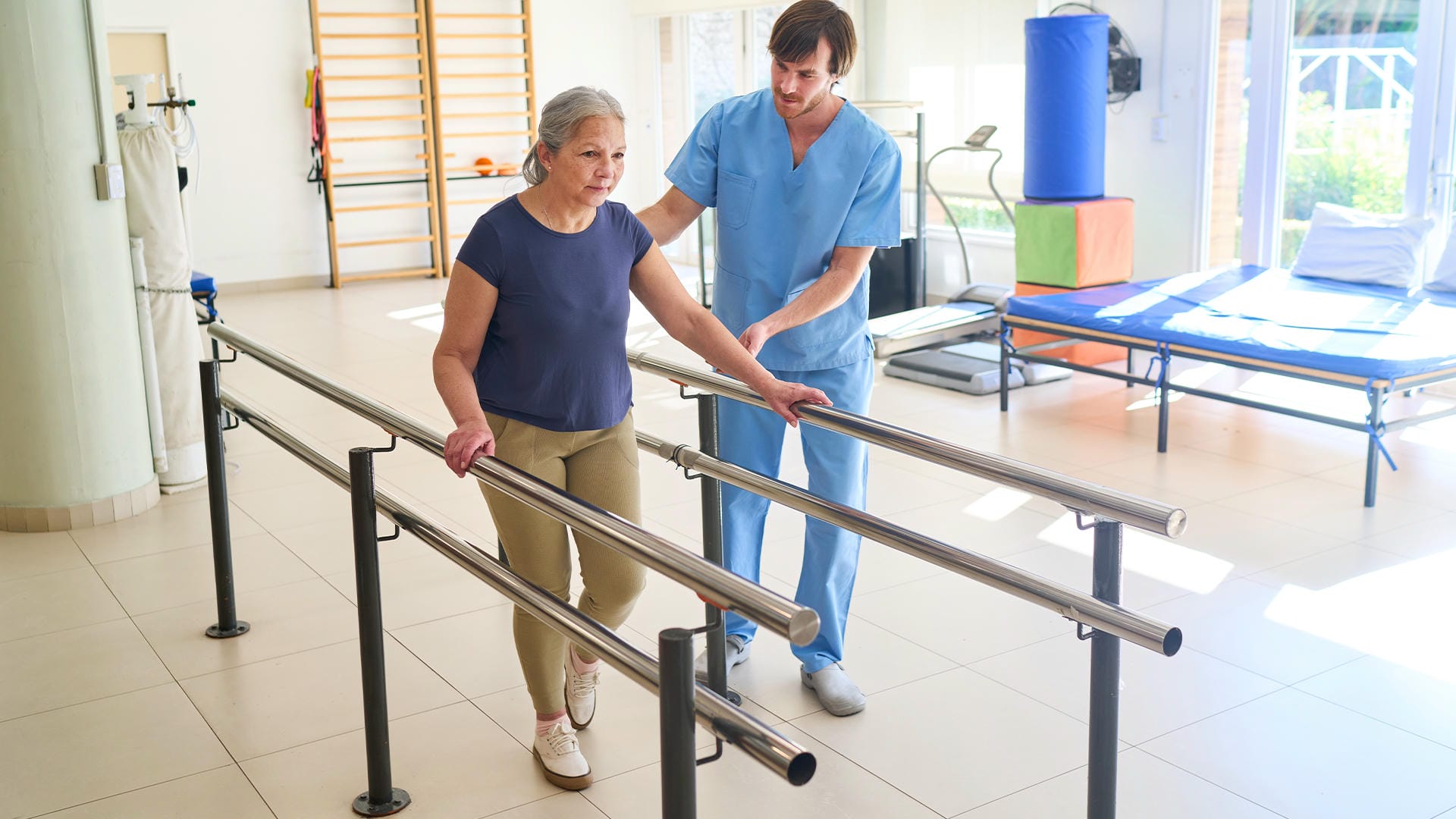
Pulse oximeter clipped on, walking laps in the hallway — that’s the image people have, and it’s not wrong exactly, just incomplete. AACVPR sets the bar most programs work from now (American Association of Cardiovascular and Pulmonary Rehabilitation, if the acronym’s new to you), and it covers a lot more ground. Exercise progression that’s actually supervised and adjusted, not just a daily lap count. Medication reconciliation. And education on warning signs that don’t look like the original event — fluid retention creeping up, fatigue that’s off in a way hard to put into words, chest sensations that feel different from last time.
Here’s a question families rarely think to ask: how often is the cardiac status actually reassessed during the rehab stay? Vitals get checked constantly, sure, but functional cardiac reassessment — exercise tolerance testing, echo follow-ups if ordered — should happen on a schedule, not just at admission and discharge. If a facility can’t lay out that schedule on the spot, push back a little.
Beta-blockers. Anticoagulants. Diuretics. That medication list grows fast after a cardiac event, and somebody — pharmacist, nurse, whoever — needs to walk the family through timing, interactions, what’s a normal adjustment and what’s a call-the-doctor situation. First 24 hours of admission is when reconciliation should happen. Ask if it did.
COPD Recovery: The Breathing Piece Nobody Explains Well
Pulmonary rehab after a COPD exacerbation runs on a different clock than cardiac recovery, generally slower, more dependent on day-to-day variability. Some mornings are better than others. A good program builds in pulmonary hygiene techniques — pursed-lip breathing, controlled coughing, sometimes chest physiotherapy — alongside the same kind of graded activity progression cardiac patients get.
Oxygen titration matters here in a way families underestimate. Someone discharged on home oxygen needs more than a tank and instructions; they need a plan for what happens if they desat during activity, who adjusts the flow rate, and how that gets communicated to whoever’s managing care at home afterward.
Stroke Overlap: Why This Matters Even If It Wasn’t a Stroke
A fair number of cardiac patients — particularly those with atrial fibrillation — carry elevated stroke risk going forward. So even when rehab after a cardiac setback is the primary reason for admission, families should ask whether the team is screening for neurological changes too. Subtle things. A new difficulty with word-finding, a slight droop, balance that’s off in a way that wasn’t there last week.
Facilities equipped for stroke care tend to have staff trained to catch these signals early, which matters because the window for intervention, if something is happening, is short. This isn’t meant to scare anyone — it’s meant to be one more item on the list of things to ask about during intake.
Questions Worth Writing Down Before the Family Meeting
Discharge planning meetings move fast. Families walk in unprepared and walk out with a folder of papers and a vague sense of what comes next. A few things worth having ready:
Week to week, who’s actually deciding when to bump up the exercise plan? And the medication list afterward — who owns that, and does the primary care doctor get looped in cleanly, or does the information just sort of drift? Wounds get their own question entirely. Surgical site, pressure injury, doesn’t matter which — there should be a protocol, and someone checking it on a schedule. Joint pain slowing things down? That’s an orthopedic conversation, and it should happen before progress stalls completely.
Pain gets its own line too, separate from everything else. A lot of post-cardiac patients downplay it, convinced any new pain means the heart again, when really it’s just the incision or some muscle thing acting up. Staff who ask directly, who actually track the numbers over time instead of relying on a quick “how are you feeling” — they tend to catch that difference before it turns into a bigger worry.
Long-Term Care: When Short-Term Becomes Something Else
Recovery doesn’t always end with a ride home. Some stays transition into long-term care — not dramatically, just enough lingering weakness or cognitive change that a discharge date quietly stops being realistic. Family logistics can complicate things further.
Worth asking about this before it’s relevant. Feels premature, sure. But a building already running long-term care alongside the short-term rehab unit means nobody’s packing boxes for a transfer, no new faces, no new paperwork chasing down records from one place to another.
The Bottom Line for Families
Rehab after a cardiac setback works best when families show up with questions, not just hope. Ask about reassessment schedules, medication handoffs, wound protocols, and what happens if recovery doesn’t go in a straight line — because it often doesn’t.
Hope Center, located in New York, provides a full continuum of rehabilitation and care services designed for exactly these situations. Its program includes Cardiac Care, Stroke Care, Short-Term Rehab, Pain Management, Wound Care, Orthopedic Care, and Long-Term Care — all under one roof, with a clinical team accustomed to the kind of complex, overlapping recovery needs described above. Families navigating a recent cardiac or pulmonary setback can learn more about Hope Center’s approach at https://hope-center.facilities.centershealthcare.org/.
Care. Support. Positive Outcomes. Centers Health Care.
Centers Health Care provides rehabilitation, skilled nursing and long-term care for people with a wide range of needs. Whether someone is recovering from surgery, managing an illness or simply needs more support than can be provided at home, our staff is there to help.
The goal is not exactly the same for everyone. It may be returning home, becoming stronger, staying independent or simply feeling better and more comfortable from one day to the next. There will be progress, setbacks and difficult days along the way. Our job is to be there through all of it, and to help each patient or resident get as far as he or she can.
Sometimes that progress comes in large steps. More often, it comes in small ones. Either way, every step matters.
Our Steps to Home series follows patients through rehabilitation and the journey from hospital to home: