
Preparing for Rosh Hashanah During Short-Term Rehab at Boro Park Center in Brooklyn: Short-Term Rehab Boro Park Brooklyn
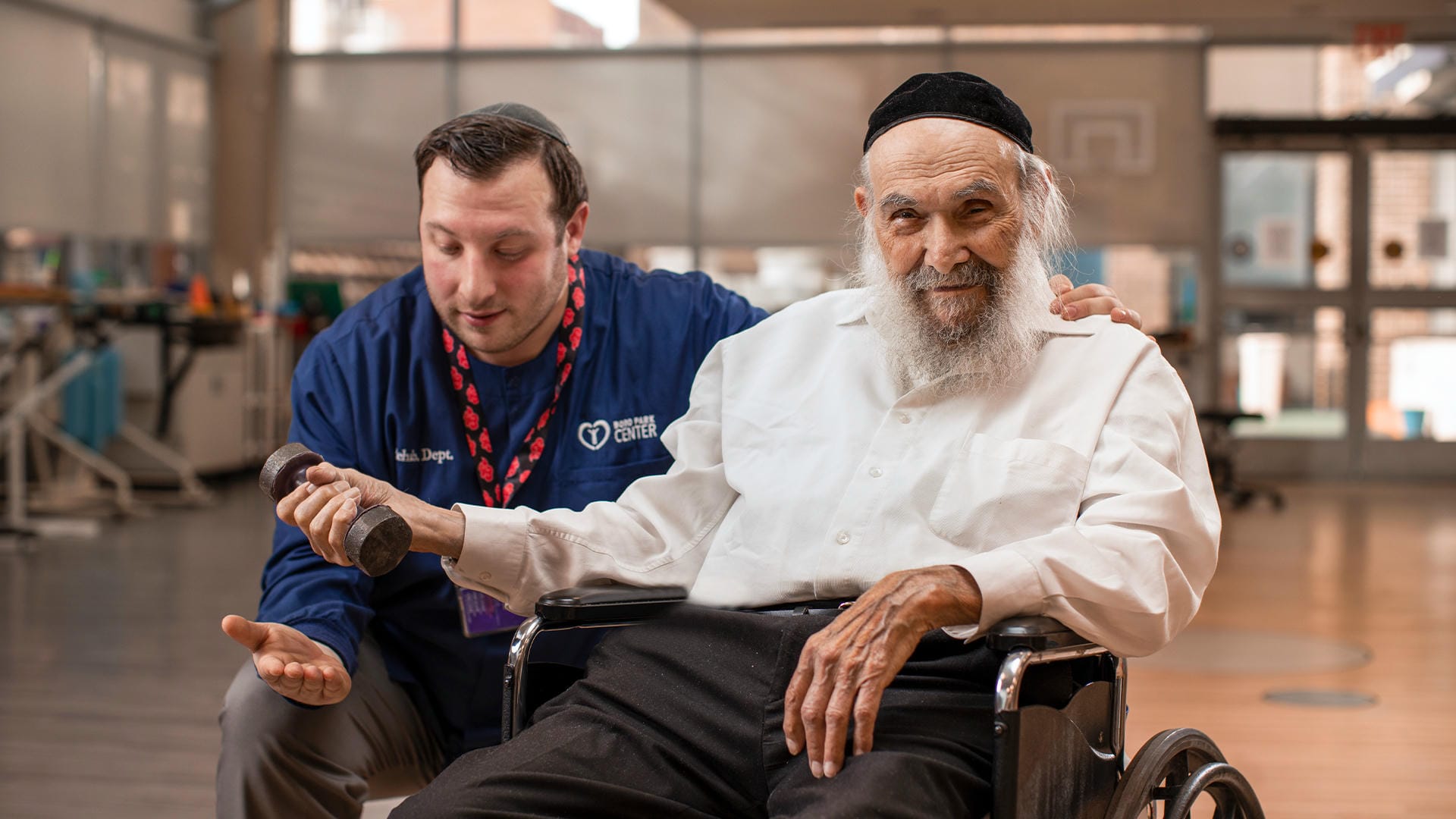
Three days is a lot of Shabbos and Yom Tov when putting on a shirt still leaves somebody tired. This year’s calendar creates exactly that situation. Rosh Hashanah begins as Friday, September 11, 2026, gives way to night in Boro Park, then continues through Sunday.
The sensible goal may be one meal. Or forty minutes of davening. Or saving the morning’s strength to hear shofar on Sunday. Therapy continues in the middle of all this, and the body remains stubbornly aware of bedtime.
Make the Plan Before Friday Afternoon
A ten-minute talk on Thursday can prevent a fairly miserable Friday. The family brings the resident’s priorities. Nursing and therapy bring the facts: treatment times, medication, transfer assistance and the hours when fatigue tends to win.
Ask the resident first. Which service or meal would hurt to miss? Then look at the current work in PT and OT. Gait training, balance, dressing and toilet transfers all use energy. Moving a session may be possible, though the treating team decides whether a change is safe and clinically sensible.
This year’s calendar affects the choice. Saturday, the first day of Rosh Hashanah, is also Shabbos. Shofar is omitted in Orthodox practice that day and sounded on Sunday, September 13. If Sunday morning is the resident’s priority, the team should hear that before schedules harden.
Pacing Prayer and Therapy in Short-Term Rehab Boro Park Brooklyn
There is an awkward half-second in shul when everybody rises. A person in rehab often starts moving before remembering the instructions from PT. Decide earlier which prayers will be said seated. Put the walker where it can be reached without twisting around a chair.
In short-term rehab, Boro Park Brooklyn families can ask, “How long can Dad safely sit up on Sunday?” Twenty minutes may be plenty. Federal exercise guidance for older adults gives a sensible warning about pushing too hard simply because the day feels good. In the moment, use the limit set with the therapist. Keep an open aisle too. Crowded chairs and a hurried transfer are a rotten combination.
Religious liberty, personal choice and dignity appear in New York’s nursing-home resident guidance. So yes, ask for a workable way to join. The care team handles standing tolerance and physical assistance. Questions about tefillah itself go to the family’s rabbi. Different questions, different experts.
Pain Has a Schedule of Its Own
A therapy session, a long visit and an evening meal placed back-to-back can expose pain that seemed manageable at breakfast. Ask the nurse and therapist whether the current prescribed pain plan is lining up with activity. Only the clinical team should change a dose or medication time. The patient can help by describing location, intensity and what brings the discomfort on instead of waiting until it becomes overwhelming.
Useful details sound ordinary: “The knee is a three while sitting and a seven after the second transfer,” or “the shoulder starts aching halfway through dressing.” That gives staff more to work with than “it hurts.” It may also help them distinguish soreness from a symptom that calls for clinical reassessment.
Rest should be placed on the schedule as deliberately as the visit. Twenty quiet minutes before a meal may preserve enough energy to sit with family. Sometimes the sensible choice is to leave early. Nu, there will be other meals.
Meals, Medication and a Very Long Weekend
A daughter arrives with her mother’s apple cake. The gesture is perfect. The timing may be less so. A swallowing restriction, altered food texture, fluid limit or blood-sugar plan can turn familiar food into a clinical question. Before bringing a dish, tell dietary or nursing staff what it is and how it was prepared. The current care plan and the center’s food policy govern what can be served.
Then there are pills. A dose should never be delayed, doubled or skipped to fit davening or a late seudah unless the clinical team has given that direction. Questions about using the call bell, writing, or taking medicine on Yom Tov should be raised before Friday. The nurse addresses safety and timing; the patient’s rabbi addresses halachah.
And ask about the hour. Someone accustomed to an early dinner may be exhausted long before a festive meal begins. If the care plan allows an earlier snack, staff can say what works. Showing up with three kinds of rugelach and a guess is not a plan.
Family Visits in Short-Term Rehab Boro Park Brooklyn
Six visitors at once can turn a pleasant hour into noise, competing conversations and unsafe movement around a walker. Stagger the visits. One or two relatives can come before a rest period; another small group can visit later. Young grandchildren may do best with ten cheerful minutes rather than an ambitious afternoon.
One family member should coordinate with staff and pass along the plan. That person can confirm the best visiting window, tell relatives when therapy is scheduled and prevent three separate deliveries of the same food. New York guidance recognizes residents’ visitation rights, subject to the facility’s written policies and reasonable clinical or safety limits. Ask about the holiday schedule rather than assuming weekday routines apply.
Bring the room to the holiday if the patient cannot comfortably come to every gathering. A machzor, family photograph, familiar niggun or short phone call can do plenty. Recovery has its own pace, and disappointment does not mean the holiday was lost.
Care. Support. Positive Outcomes. Centers Health Care.
A patient from around the corner does not need to explain what Friday afternoon means. Boro Park Center is in the community and works with its Jewish rhythm. Short-Term Rehab is one part of the clinical program. Pain Management is another. Cardiac Care and Stroke Care sit alongside an Ultra-Care Unit for people with knottier medical needs.
Through Centers Health Care, rehabilitation may continue into skilled nursing or long-term care when that is what a person needs. The immediate objective still belongs to the resident. Home after an operation. A steadier hand after a stroke. Enough breath and strength to dress without stopping halfway. Some weeks bring a leap. Other weeks offer two decent steps and a frustrating third.
Steps to Home
The holiday supplies a surprisingly useful rehearsal for home. Can the resident get dressed before breakfast without spending the morning’s energy? Is the dining chair too low? What happens when a walker meets a crowded doorway and three grandchildren?
Centers Health Care’s Steps to Home approach works from details like these. Therapy is connected to the actual place awaiting the patient: the number of front steps, bathroom clearance, bed height, equipment and the help relatives can provide on an ordinary weekday. Rosh Hashanah may expose a snag that never appeared in the gym. Good. Now the team has something concrete to practice.
Our Steps to Home series follows patients through rehabilitation and the journey from hospital to home: