Rehab After a Neurologic Setback: Practical Goals for Families
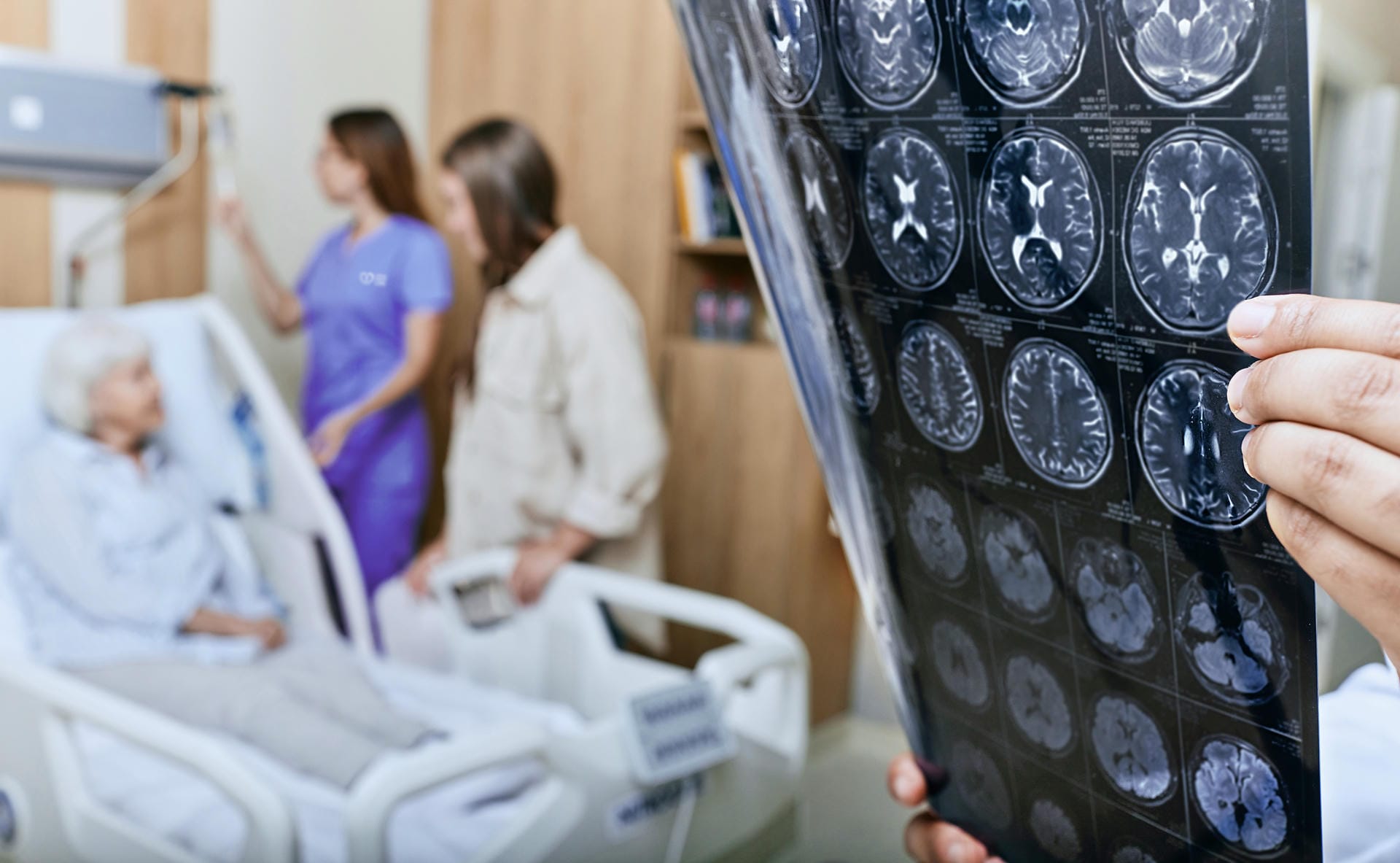
Nobody warns you about the discharge conversation. You’re still absorbing what happened — the stroke, the ICU, the first terrifying 48 hours — and then a case manager is standing at the doorway asking where your father is going next. Most families haven’t thought once about neurologic recovery until that exact second.
Skilled nursing is where a large share of stroke survivors go after the acute hospital. The assumption that it’s a lesser option misreads what these facilities are built to do — particularly for patients who can’t yet tolerate three hours of intensive daily therapy. A neurologic rehab nursing home fills a clinical gap that other settings don’t: 24/7 nursing coverage, concurrent medical management, and therapy disciplines working off a shared plan.
The Therapy Disciplines — and What They’re Actually Targeting
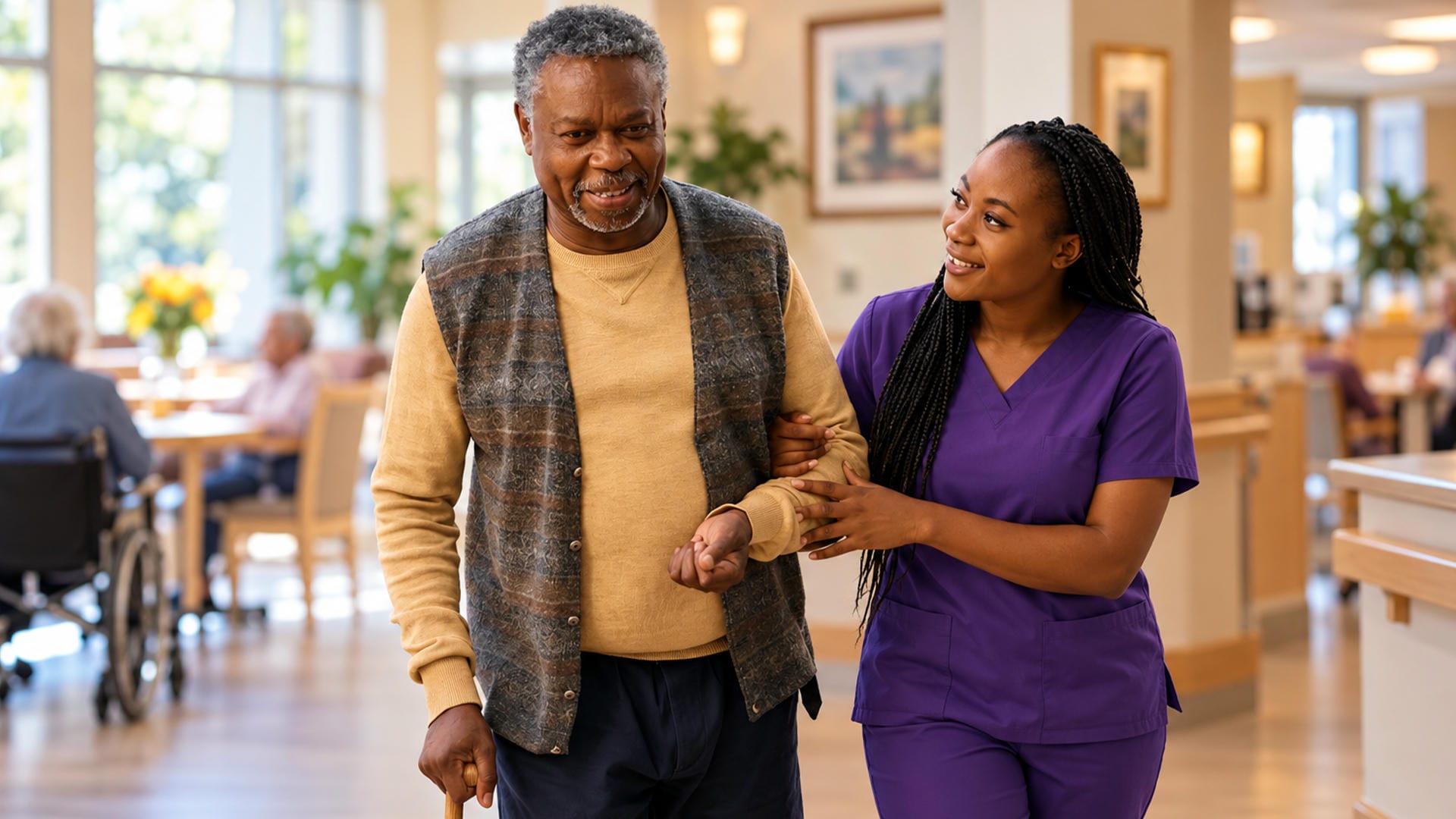
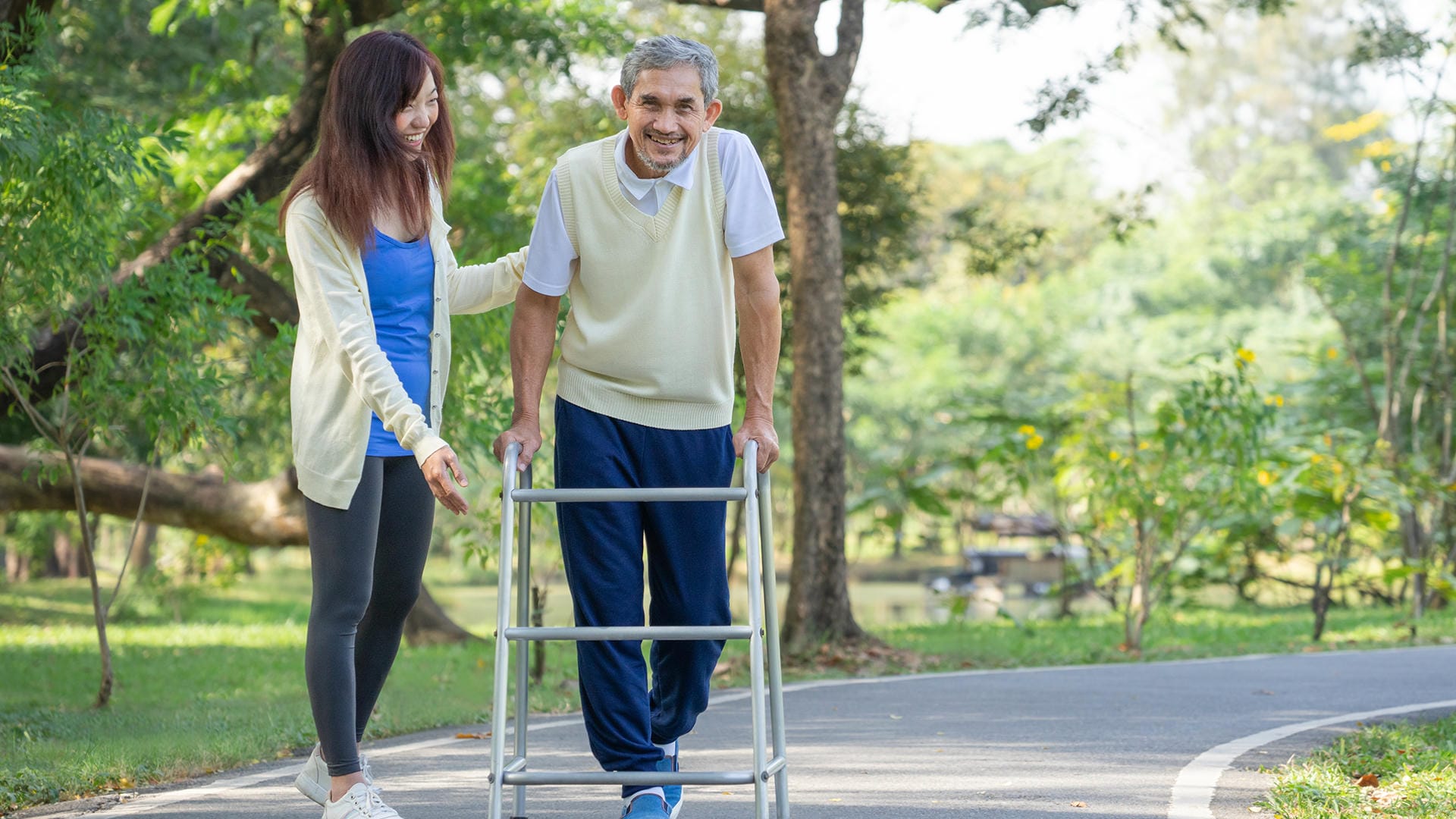
Physical therapy is what families picture — someone walking a hallway with a gait belt. The underlying mechanics are more involved. When the primary corticospinal pathway takes damage, rehab teams work through secondary motor tracts: reticulospinal, vestibulospinal. What drives consolidation is repetition of the specific movement, not general exercise. The same transfer sequence, the same ambulation pattern, practiced until the compensatory pathway stabilizes. Progress in the early weeks tends to be measured in feet, not miles.
Occupational therapy is doing something different. The goal isn’t strength in the abstract. It’s whether someone can manage a shirt button or operate a stove. ADL retraining — activities of daily living — determines discharge feasibility more than raw motor scores do.
The assumption that speech therapy is only for people who lost language is common and wrong. Swallowing function is a separate neurological process, and stroke disrupts it frequently. Dysphagia goes undetected when nobody’s looking for it — and aspiration pneumonia, which develops when food or liquid enters the airway, kills post-stroke patients at a rate that gets underreported in family-facing literature. FEES endoscopy or a modified barium swallow study pin down exactly where the swallow mechanism is breaking down. Diet textures get modified based on those findings and don’t change until a follow-up evaluation says otherwise.
All three disciplines share documentation and meet around the patient regularly. Where that coordination breaks down, recovery tends to stall.
What Families Get Wrong About Goals in a Neurologic Rehab Nursing Home
“Back to normal” is what people say when they don’t have a framework yet. The clinical team isn’t working toward normal — they’re working toward the highest achievable functional baseline given the neurological picture, the patient’s prior level of function, and what the discharge environment actually requires.
For a right-hemisphere stroke with left-sided hemiplegia and mild dysarthria, a realistic six-week target might be supervised ambulation 200 feet with a hemi-walker, safe oral intake on a minced-and-moist diet, and independent bed mobility. That’s not giving up. It’s building in sequence. Families who understand that sequence tend to participate better in care conferences and ask sharper questions.
At those conferences — usually weekly — vague questions get vague answers. Ask for the current FIM score. Ask what specific functional milestone needs to be met before the discharge plan changes. Ask what’s limiting therapy participation, whether it’s pain, fatigue, or something cardiac. The specificity forces clearer answers.
Cardiac Overlap Nobody Mentions
Atrial fibrillation drives a significant share of embolic strokes, so the same patient presenting for neurologic rehab is often carrying an active cardiac diagnosis. During PT, that overlap is concrete: someone whose ventricular rate isn’t controlled hits an exertion ceiling fast. Sessions get cut short. Weekly therapy hours drop. A neurologic rehab nursing home that carries cardiac care infrastructure addresses this directly rather than treating the two conditions as separate tracks.
Central post-stroke pain affects a meaningful subset of survivors. It’s neuropathic, doesn’t respond to standard analgesics predictably, and when it goes unaddressed it degrades therapy participation. Pain management integrated into the rehab program — not just a PRN medication order — changes outcomes. That integration is harder to find than the brochures suggest.
The Neuroplasticity Window Is Misunderstood
The brain reorganizes after injury. Neuroplasticity is a genuine mechanism, not a motivational concept — BDNF upregulation through aerobic activity, constraint-induced movement therapy for upper extremity function, task-specific repetition driving new pathway formation. The catch is timing. The most concentrated window for functional gain falls in the first several weeks post-stroke, which is exactly when a well-run SNF rehab program is capturing that patient.
Improvement can occur up to 12 to 18 months out. But what happens in the first admission shapes what’s possible afterward. The SNF stay lays the foundation. Home therapy and family carryover of functional skills determine how much gets built on it.
Some patients don’t go home. Long-term care is a clinical determination about safety and support capacity. The facility that has that conversation early and plainly — rather than at the last minute — is the one actually serving the family.
Onondaga Center
Onondaga Center sits within the Centers Health Care network and carries Stroke Care, Short-Term Rehab, Cardiac Care, Pain Management, Orthopedic Care, Long-Term Care, and Wound Care under one roof in the Syracuse area. Stroke patients with concurrent cardiac diagnoses, wound complications, or persistent pain don’t have to get those needs managed somewhere else. For families trying to avoid a situation where the rehab setting can only handle part of the clinical picture, that breadth is worth accounting for early in the discharge planning process.
Care. Support. Positive Outcomes. Centers Health Care.
Centers Health Care provides rehabilitation, skilled nursing and long-term care for people with a wide range of needs. Whether someone is recovering from surgery, managing an illness or simply needs more support than can be provided at home, our staff is there to help.
The goal is not exactly the same for everyone. It may be returning home, becoming stronger, staying independent or simply feeling better and more comfortable from one day to the next. There will be progress, setbacks and difficult days along the way. Our job is to be there through all of it, and to help each patient or resident get as far as he or she can.
Sometimes that progress comes in large steps. More often, it comes in small ones. Either way, every step matters.
Our Steps to Home series follows patients through rehabilitation and the journey from hospital to home: