Short-Term Rehab in the Summer: Helping Seniors Recover Safely After a Hospital Stay

Sweat beading through a compression bandage isn’t something winter rehab teams think about, but summer changes that fast. A stroke patient working on gait mid-July sits through a session in a gym that’s warmer than it should be, and nobody catches the overheating until the dizziness gets blamed on the exercise itself. Winter protocols don’t transfer cleanly to an August recovery plan, not without someone rethinking the details first. A knee replacement discharged in February follows a script rehab teams know cold. Same surgery, same discharge orders, handled in July — and the swelling doesn’t behave the same, hydration drops faster than expected, and a patient who napped through a hot afternoon missed her medication window entirely.
Short-term rehab in summer isn’t physical therapy with a seasonal label slapped on it. Hydration protocols shift. Session timing shifts. Mornings get busier, afternoons thin out because heat saps energy faster than any clinician wants to admit. Family visits cluster around cooler hours. None of it is dramatic. It’s logistics, and logistics done poorly is how a two-week stay stretches into four.
Why Short-Term Rehab in Summer Runs on a Different Clock
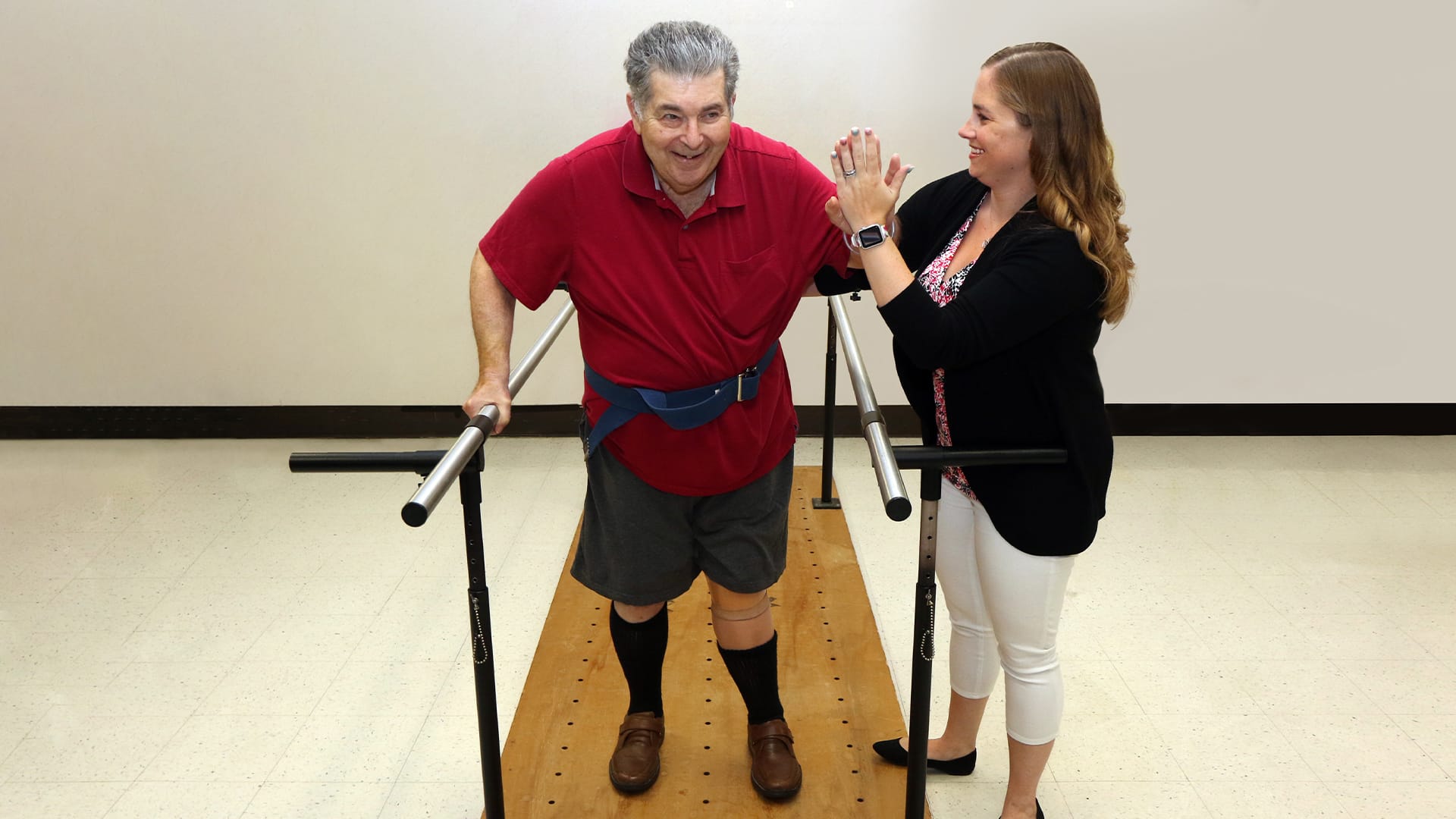
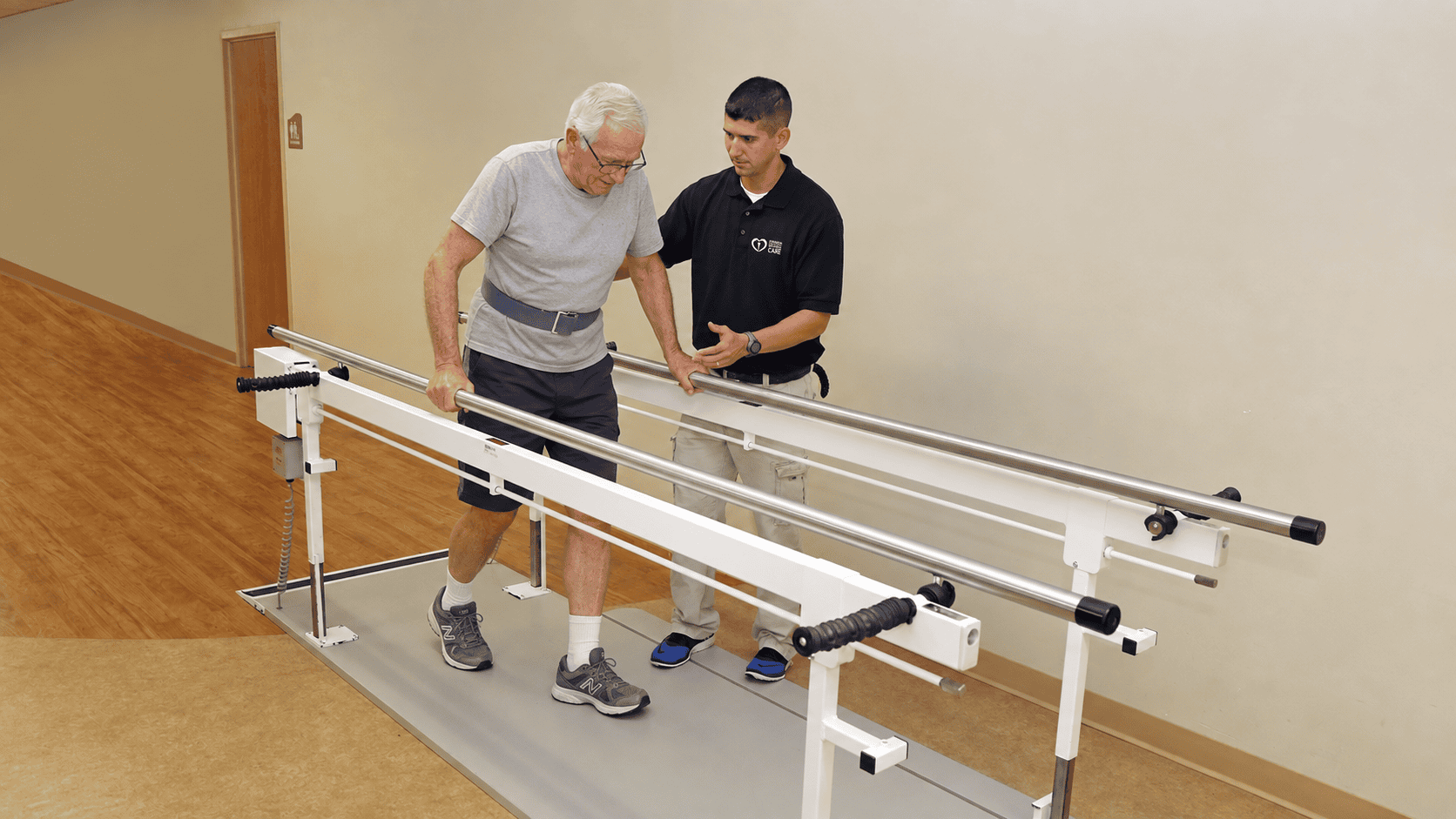
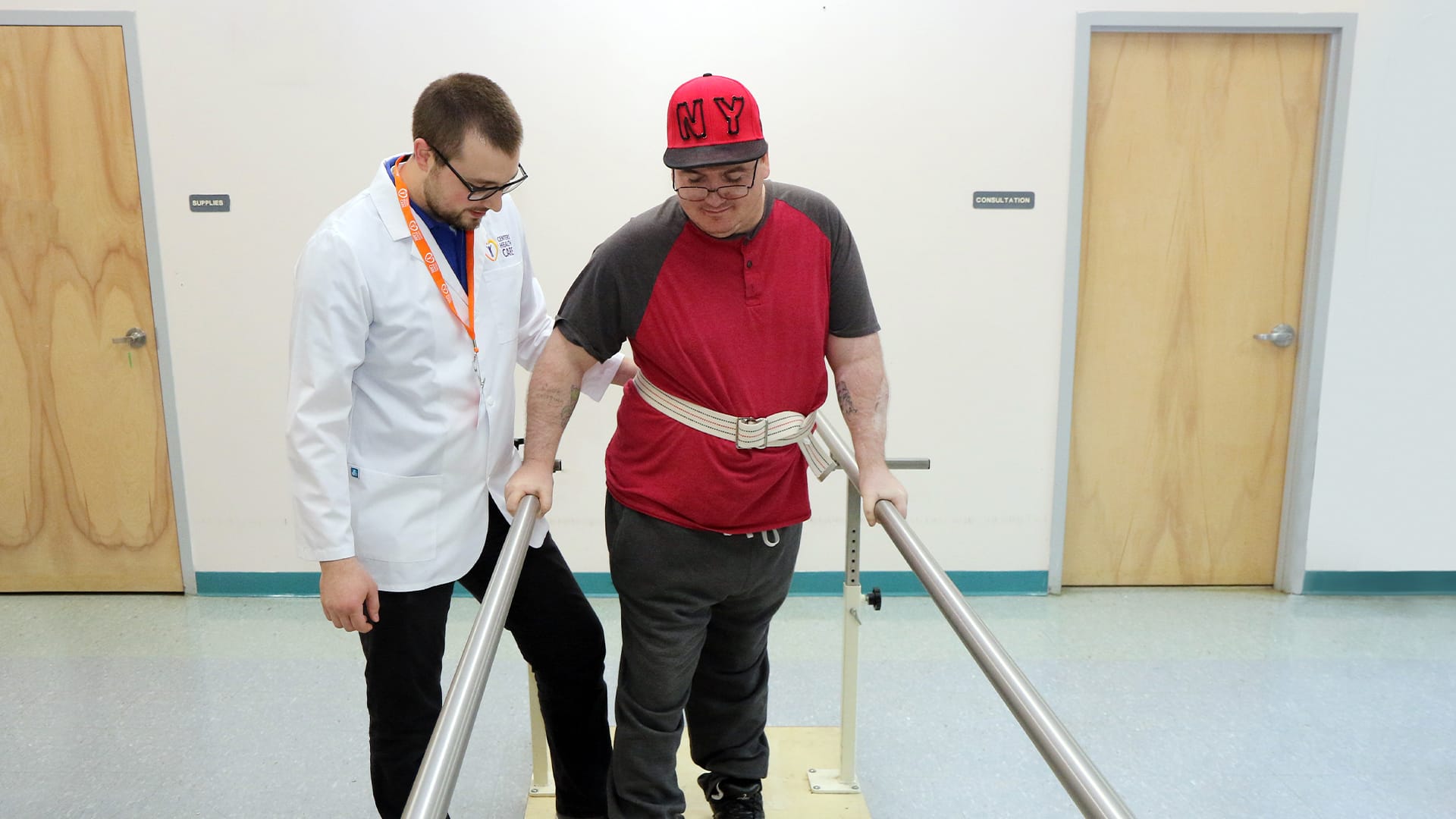
Heat index, not just temperature, drives the decisions. A stroke patient relearning balance doesn’t tolerate overheating the way a healthy 40-year-old does — thermoregulation takes a hit after a cardiovascular event, and dizziness from mild dehydration gets misread as fatigue from the exercise itself. Staff trained to catch that distinction are the difference between a session ending early for good reason and one pushed through that ends in a fall.
Wound care complicates things further. Summer humidity and healing tissue don’t get along well together; moisture management around dressings needs closer attention in July than in November. Pain management plans sometimes need adjusting too, since heat amplifies inflammation in certain post-surgical and joint cases in ways a cold-weather protocol wasn’t built for.
Cardiac patients get their own set of complications. Blood pressure medications interact with heat in ways that catch families off guard — a beta blocker that behaved predictably in April can leave someone lightheaded on a 95-degree afternoon. Clinical teams tracking cardiac recovery through the summer months build in extra vitals checks during and after exertion, not just at the start and end of a session.
What a Short-Term Rehab Summer Schedule Actually Looks Like
Morning therapy blocks fill first. Cardiac rehab candidates, stroke recovery patients working on gait, anyone with a fall risk — most of it happens before the day heats up, before the gym windows catch full sun. Hydration checks aren’t a suggestion tacked onto a chart. They’re built into the rounds, especially for anyone on medications that affect fluid balance or the body’s blood pressure response to heat.
Family communication gets restructured too. A daughter driving in from Westchester on a Tuesday afternoon in August faces different traffic and different energy levels than she would in March. Facilities that handle this well build flexibility into visiting windows and keep families looped in on medication timing shifts — a diuretic dosed differently because of summer heat is a conversation worth having, not a footnote buried in discharge paperwork.
Therapy pacing changes shape as well. A stroke recovery patient who could handle forty-five minutes of gait training in cooler months might top out at thirty in peak July heat, and pushing past that point doesn’t build strength faster. It just raises fall risk. Therapists watching for early fatigue signals — slight tremor, delayed response time, skin flushing — pull back before it becomes a problem instead of after.
Long-Term Care Needs Don’t Take a Summer Break
Patients moving between short-term rehab and longer-term care arrangements still need continuity. Pain management protocols, wound care routines, cardiac monitoring — none of it pauses because the calendar says July. What changes is the environmental layer stacked on top: room temperature monitoring, closer attention to swelling in lower extremities, therapists watching exertion tolerance a little more carefully than they would in October.
Medication timing deserves its own mention here. Diuretics, blood pressure medications, and certain pain management drugs all interact with heat and hydration status differently than they do in winter. A routine medication review before discharge planning, factoring in how a patient’s home environment handles heat, catches problems before they turn into a readmission.
None of this is complicated in theory. Executed inconsistently, though, a strong short-term rehab summer plan turns into extra hospital days nobody wanted. The difference tends to come down to whether staff catch the small stuff — a slightly warm room, a missed water break — before it becomes the big stuff.
Amsterdam Nursing Home
Amsterdam Nursing Home handles this kind of seasonal shift as part of routine care, not as an afterthought tacked onto standard rehab. A patient recovering from stroke there gets gait training scheduled around the cooler parts of the day, and staff track fluid intake alongside medication changes tied to heat exposure — a diuretic dose that made sense in March sometimes gets reconsidered by June. Cardiac patients get closer vitals monitoring during exertion once temperatures climb. Wound dressings get checked more often too, since moisture around a healing incision behaves differently in July than in December. Families navigating New York summer traffic can work with staff on visiting windows that fit an actual schedule instead of a rigid template. Details on rehab and long-term care services at https://amsterdamcares.org/.
Care. Support. Positive Outcomes. Centers Health Care.
Centers Health Care provides rehabilitation, skilled nursing and long-term care for people with a wide range of needs. Whether someone is recovering from surgery, managing an illness or simply needs more support than can be provided at home, our staff is there to help.
The goal is not exactly the same for everyone. It may be returning home, becoming stronger, staying independent or simply feeling better and more comfortable from one day to the next. There will be progress, setbacks and difficult days along the way. Our job is to be there through all of it, and to help each patient or resident get as far as he or she can.
Sometimes that progress comes in large steps. More often, it comes in small ones. Either way, every step matters.
Our Steps to Home series follows patients through rehabilitation and the journey from hospital to home: