
Stroke Recovery in June: Building Safer Routines Before Summer Gets Busy
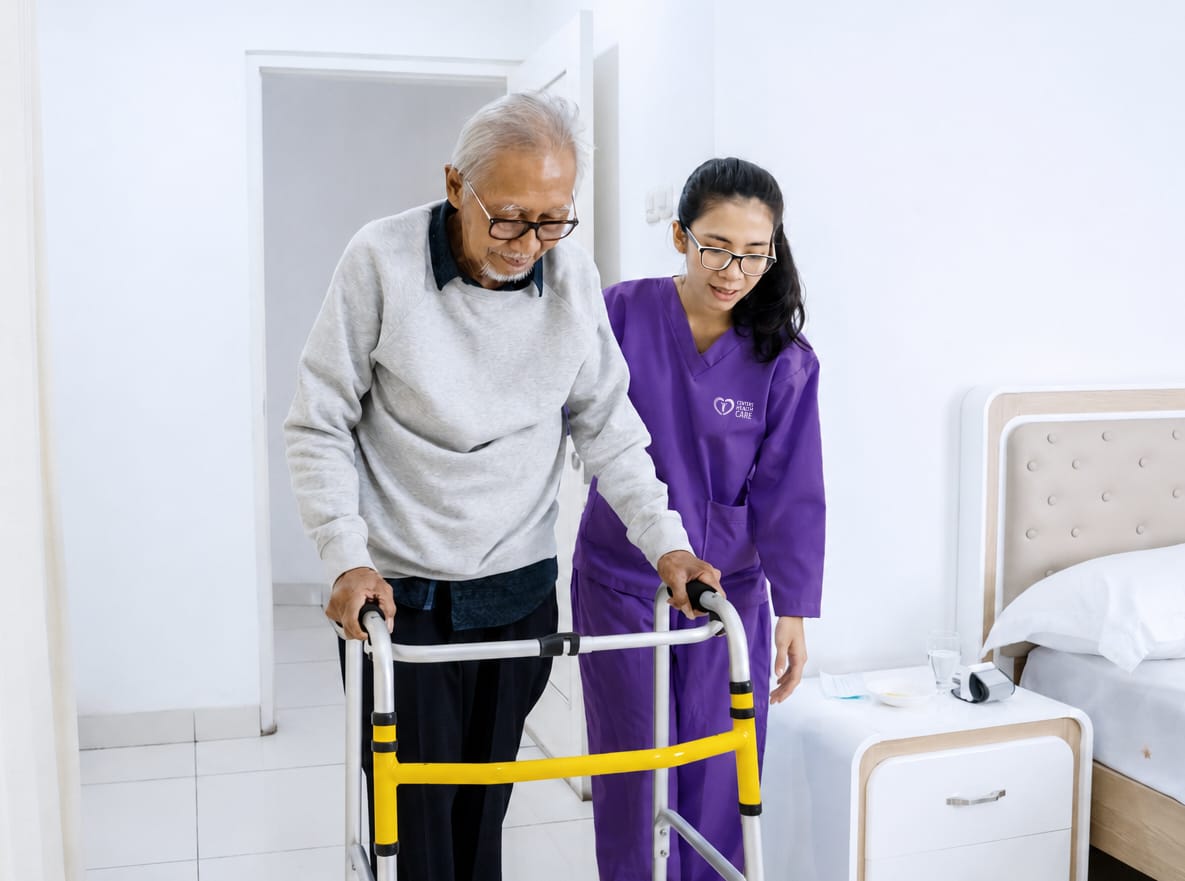
June is a weird month to write about stroke recovery. Nothing dramatic happens in June — no big policy changes, no season finale of discharge paperwork. But families who’ve had a loved one in a stroke recovery nursing home since March or April know the feeling: things are moving, then suddenly it’s mid-July and it feels like they’ve lost ground they don’t fully understand.
The routine breaks. Usually quietly.
What triggers it is almost never the obvious stuff. A family visit lands on a Thursday afternoon when PT is scheduled. Therapist reschedules for Friday. Friday gets tight because a holiday weekend is starting. Patient is sleeping worse because the room is two degrees warmer than it was in April. Nobody flags it. By the time anyone notices, there’s been a two-week drift in a stretch of recovery when two weeks is a lot.
Why the Timing of Stroke Recovery Nursing Home Care Matters More Than People Think
The brain’s capacity to adapt after a stroke — neuroplasticity, if you want the clinical word — isn’t evenly distributed across the recovery timeline. It’s heaviest in the first few months. The American Stroke Association has been saying this for years. What that means practically is that a well-run stroke recovery nursing home isn’t just providing safe housing while the body heals on its own. It’s running against a clock. Consistent therapy in that window doesn’t guarantee full recovery. But inconsistency during that window costs more than it would at month eighteen.
June sits right in the middle of that window for a lot of patients. Winter strokes, late-spring placements. The acute drama is over, the care team has real data on what’s improving and what’s stuck — and the summer disruption season is about to start.
That’s the argument for paying closer attention right now.
What the Therapy Actually Involves
Physical therapy is the one people picture. Someone working on walking, on balance, on rebuilding what the stroke took from one side of the body. It’s real and it’s important and it tends to get the most airtime in family conversations.
Occupational therapy is different. More granular. The question OT is trying to answer is: can this person do the practical things that constitute a life? Dress themselves, manage a bathroom trip at 2 a.m. without falling, handle a cup or a fork or a button. These don’t sound like medical achievements until they’re the specific things standing between a person and going home.
Speech therapy is its own category. Aphasia — the language and communication disruption that hits a significant portion of stroke survivors — can be unpredictable. Word retrieval, sentence construction, swallowing. Not every stroke patient needs speech therapy. The ones who do often don’t improve on a linear schedule.
All three of these depend on showing up. Repetition is the mechanism. The brain is relearning patterns it used to run automatically, and it doesn’t consolidate new patterns from sporadic sessions.
Heat, Summer, and a Risk Most Families Haven’t Heard About
Here’s something that doesn’t come up in most discharge conversations: stroke survivors are more physically vulnerable to summer heat than the average older adult.
Blood thinners, blood pressure meds, diuretics — pick any two of those and you’ve already got a fluid balance situation that doesn’t announce itself. It doesn’t feel like dehydration until it’s been dehydration for a while. That’s before you factor in that thirst sensation in a 78-year-old in rehab is not a reliable signal. They’re not going to say anything. They’re tired, they’re working hard, the room feels fine to them.
New York summers have changed. The overnight drop that used to bring temperatures down into the 60s by morning — less consistent now. Heat advisories starting earlier. What that means for someone in active stroke rehab is that the fatigue showing up in a 10 a.m. PT session may have nothing to do with where they are neurologically. Could just be they slept in a room that stayed 78 degrees until 4 a.m. and nobody tracked their fluids the day before.
For a stroke survivor in active rehab, dehydration doesn’t just create a medical risk in isolation. It affects cognition, affects fatigue, affects how much someone can get out of a therapy session. A patient who’s performing well in March can look like they’ve plateaued in July when the actual variable is that nobody’s tracking fluid intake carefully enough.
Worth asking the facility directly: what does hydration monitoring look like during heat advisories? How does the therapy schedule adjust when it’s 95 degrees? Not as a gotcha. As a practical question. The facilities that have thought about it can answer it.
The June Care Conference Most Families Don’t Request
If a loved one has been in a stroke recovery nursing home since late winter, the care team has real information now that they didn’t have in February. Request a conference before the end of June. Not because something is wrong — because you want the current picture.
Specifically: what goals have been met, what’s lagging and why, and what the discharge plan looks like at this point. That last question matters. Home modifications, support structures, what the first week back looks like — these conversations are easier to have in June than in August when everyone’s attention has scattered.
Ask about occupational therapy specifically. Families tend to track PT milestones because they’re more visible. OT progress is harder to see and tends to get less family attention, which means it also sometimes gets less facility attention.
Bronx Center: Stroke Care and Short-Term Rehab in the Bronx
Bronx Center lists Stroke Care and Short-Term Rehab as core services — which, in practice, means the clinical pieces that stroke recovery actually needs aren’t being assembled from scratch for each patient. PT, OT, speech, nursing. The facility also handles Cardiac Care, Pain Management, Orthopedic Care, Wound Care, and Long-Term Care, so secondary conditions that often travel with stroke aren’t someone else’s problem to manage.
For families in the Bronx looking at options right now, visiting in June — before summer schedules get complicated — gives you a real conversation with the care team rather than a rushed one.