Stroke Rehab and Daily Practice: Why Repetition Matters After Discharge

The discharge paperwork gets signed. The hospital bed is empty. And then comes the part nobody prepares you for — getting a glass of water from the kitchen.
That’s not a small thing. For stroke survivors, reaching across a counter, gripping a cup, walking twelve feet without a wall to lean on — these are the milestones that rehab is actually about. The clinical language calls it stroke rehab daily living integration. In practice, it’s just: can you get through Tuesday.
What Repetition Does to a Recovering Brain
The research framing here keeps shifting over the past decade but the core finding hasn’t: stroke rehab outcomes tracked through 2026 point to the same three variables every time — intensity, repetition, and task specificity. Not as a philosophy. As a neurological precondition. The motor cortex doesn’t respond to intention. It responds to input, repeated often enough to register as signal rather than noise.
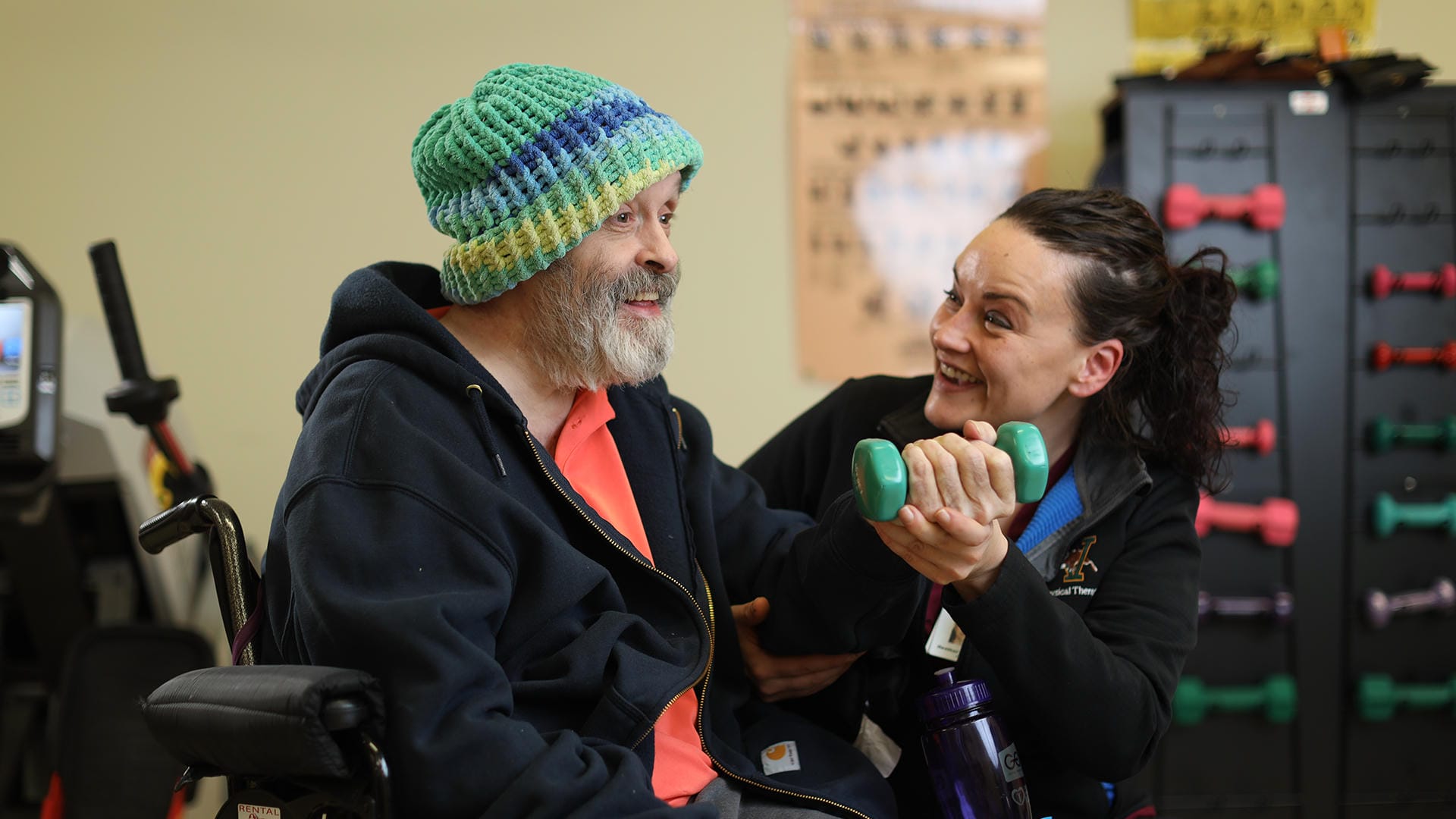
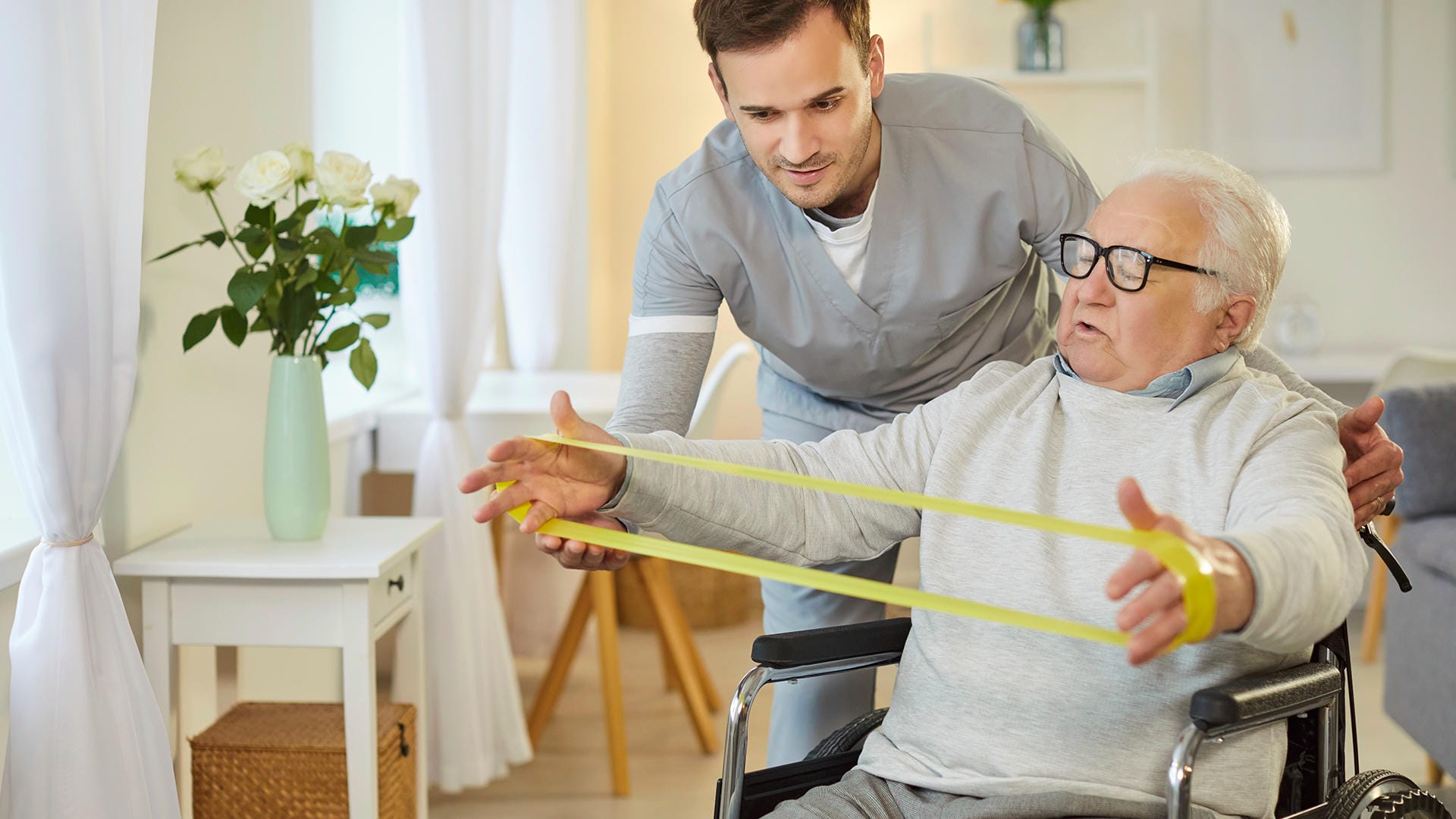
That’s the whole logic behind a therapist running someone through the same reaching motion fifty times in an afternoon. Use-dependent plasticity means the brain rewires itself around what it actually does, not what it used to do or what someone hopes it’ll do. Neurons that fire together wire together — and the ones that don’t fire start getting pruned.
For neuroplasticity to occur effectively, an adequate number of repetitions of motor tasks is required, as these stimulate brain reorganization and restore upper limb function. The tricky part is that “adequate” is not a fixed number. It depends on where the damage is, how much time has passed since the event, and critically — how hard the patient is working at home between supervised sessions.
The Gap Between Discharge and Daily Living
Depending on functional impairment level, the post-hospital path might run through a subacute facility, a home health program, or outpatient clinic visits — sometimes some combination of all three. The therapy hours look different in each setting. What stays constant is the time nobody’s watching.
Most survivors aren’t being watched for 22 hours a day. Families do what they can. Home health aides fill in gaps. And the patient sits in a recliner because standing is hard and nobody’s there to push.
Barriers after discharge frequently include a lack of services and a general sense of abandonment as the patient’s social network moves on while they are unable to return to work or their prior activities. That’s a clinical way of saying: recovery is lonely, and loneliness tends to mean less movement.
The research on stroke rehab daily living outcomes is blunt about this. Gains made during inpatient care erode faster than expected when structured repetition stops. It’s not a personal failure. It’s just neurology.
The movement patterns that formed during inpatient care don’t hold on their own. They need reinforcement, consistently, or the brain finds shorter routes — usually through the unaffected side — and that’s the beginning of a different set of problems.
What Good Daily Practice Actually Looks Like
Three hours of occupational therapy three times a week is not enough if the other hours are passive. That’s not criticism — that’s the math of neuroplasticity.
Stroke rehab daily living work is task-specific by design — upper and lower limb movements, weight shifts, transfers, stair negotiation, household ambulation. The occupational framing makes this concrete: buttoning a shirt counts. Walking the hallway counts. Reaching into a cabinet and holding the grip counts. None of that looks clinical, but that’s the point. The task is the therapy.
There’s a sequencing argument that’s gotten more traction clinically: light aerobic movement done immediately before task-specific practice appears to prime the nervous system, elevating corticospinal excitability in a window that makes motor learning more efficient. In a home context, that’s a short walk before sitting down to run through hand exercises. Not warm-up in the gym sense. More like opening a window before you try to ventilate a room.
“Daily practice” is doing a lot of work in that phrase, and it doesn’t mean two hours. Fatigue is a real clinical variable in stroke recovery, and pushing through it wrong can backfire. What matters more than duration is regularity across weeks — a consistent 20 or 30 minutes of focused, task-relevant repetition that doesn’t drift into passive sitting. That’s where the compounding actually happens.
Why the Setting Matters
Where someone recovers shapes how much they actually do. A subacute rehabilitation facility with a dedicated stroke care program provides something a home environment often can’t: clinical observation, real-time correction, and enough staff density that someone notices when a patient is compensating in ways that will backfire later.
Compensation patterns are genuinely tricky. A patient who learns to write again by anchoring the pen differently, or who walks with a subtle hip hike to clear a foot that won’t dorsiflex, may feel like they’ve recovered — and may actually be building in movement patterns that cause falls or joint pain a year later. Trained eyes catch that. Discharge paperwork doesn’t.
Therapists in skilled nursing settings specializing in stroke recovery can also push intensity in ways home programs can’t. Group therapy sessions sometimes do this better than individual ones, partly because patients watch each other and the social dimension adds motivation that a printed home exercise sheet simply doesn’t generate.
Stroke Rehab Daily Living Support at New Paltz Center
For patients working through the post-stroke return to daily function in the Hudson Valley region, New Paltz Center provides short-term rehabilitation and stroke care structured around the clinical demands of that recovery arc. The therapy team works across physical, occupational, and related disciplines, supporting the repetition intensity that neurological recovery actually requires — alongside services including cardiac care, orthopedic care, pain management, wound care, and long-term care for those whose needs extend past the short-term window.
Recovery after stroke isn’t a single event. It’s a schedule.
Care. Support. Positive Outcomes. Centers Health Care.
Centers Health Care provides rehabilitation, skilled nursing and long-term care for people with a wide range of needs. Whether someone is recovering from surgery, managing an illness or simply needs more support than can be provided at home, our staff is there to help.
The goal is not exactly the same for everyone. It may be returning home, becoming stronger, staying independent or simply feeling better and more comfortable from one day to the next. There will be progress, setbacks and difficult days along the way. Our job is to be there through all of it, and to help each patient or resident get as far as he or she can.
Sometimes that progress comes in large steps. More often, it comes in small ones. Either way, every step matters.
Our Steps to Home series follows patients through rehabilitation and the journey from hospital to home: