Wound Care and Short-Term Rehab After Summer Surgery: A Practical Checklist

A knee replacement in July looks nothing like one in January. Humidity changes how dressings adhere. Patients want to be outside, which means more friction against incisions, more sweat under bandages, more reasons for a wound to stall instead of close. Surgeons in the Southern Tier see this pattern every summer, and it’s part of why wound care short-term rehab planning has to start before discharge, not after a complication shows up.
Here’s the part nobody explains at the hospital: healing and mobility aren’t sequential. You don’t finish the wound and then start rehab. They run in parallel, and mismanaging one wrecks the other. A dressing changed too aggressively during a physical therapy session can reopen tissue that took ten days to close. A patient who avoids movement out of fear for the incision loses range of motion faster than the wound itself would ever justify.
What Wound Care Short-Term Rehab Actually Looks Like Day to Day
Tissue, infection, moisture, wound edge — TIME, they call it in the charts, and it’s not something you check off once. Every dressing change is a fresh read. A nurse pulls back gauze and has to decide on the spot: hydrocolloid, foam, alginate, something else, based on how much fluid the wound is throwing off that particular day. July incisions run wetter than the textbook version. A 72-hour dressing schedule turns into daily changes fast, sometimes within the first week.
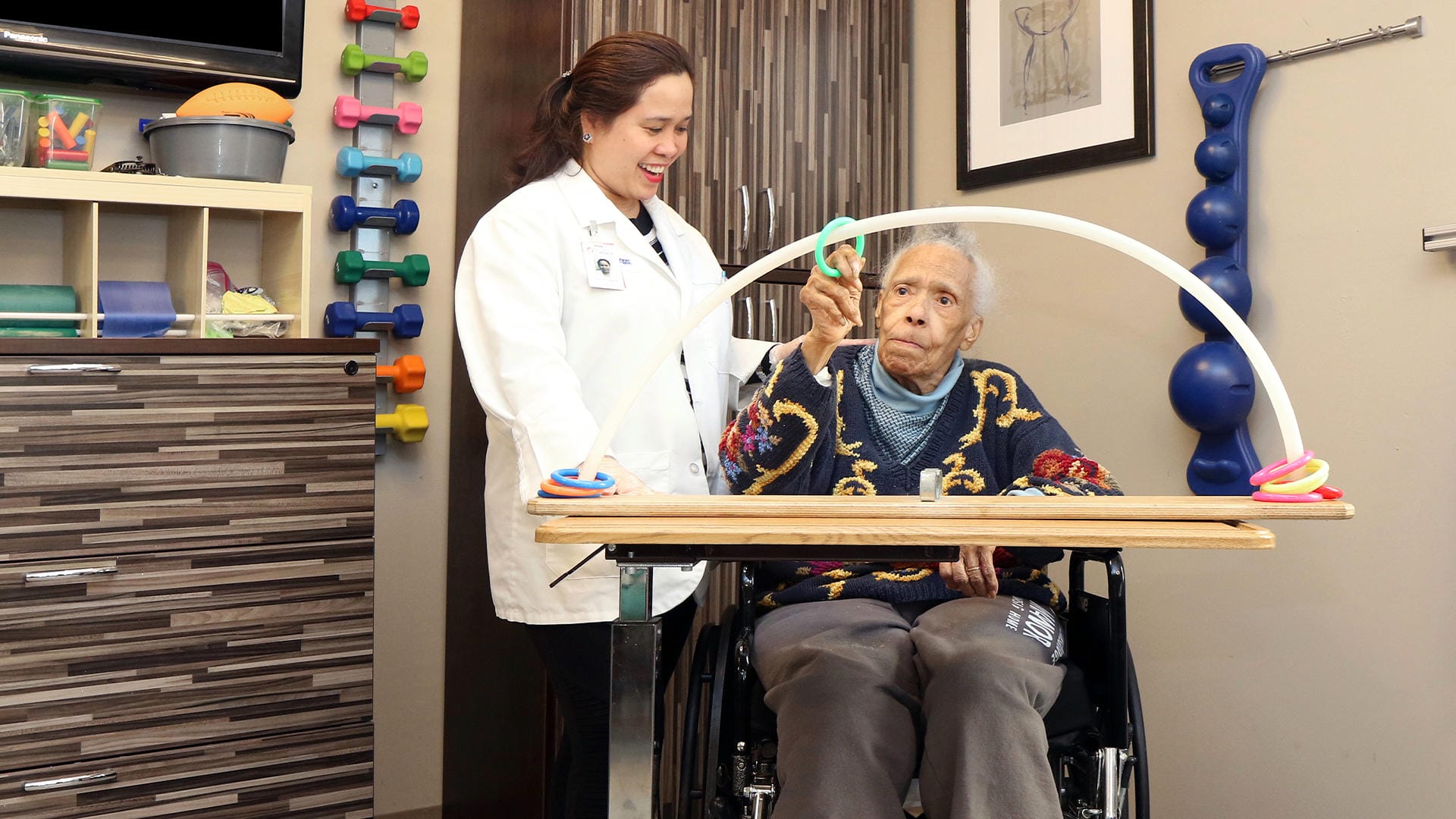
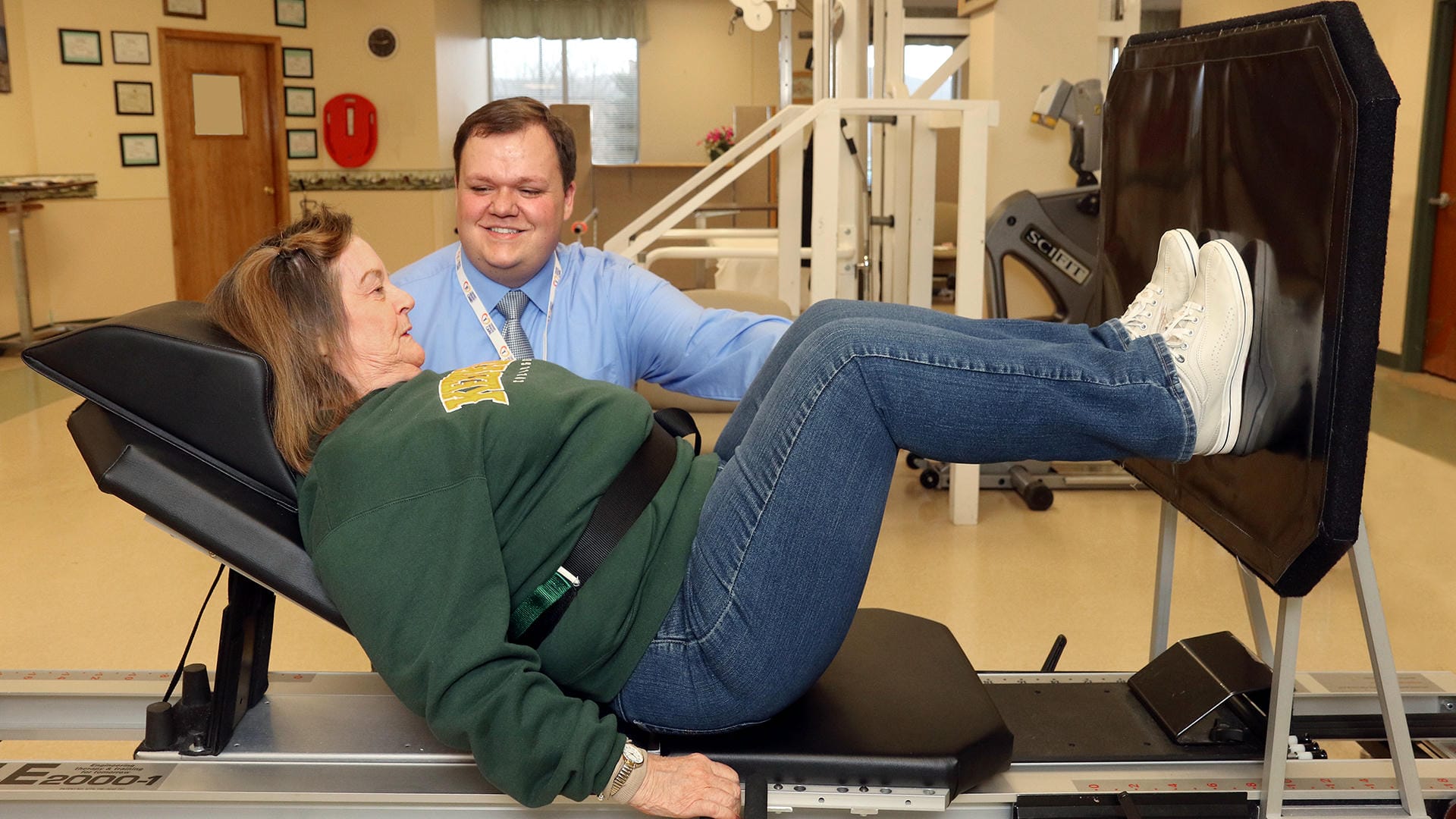
Meanwhile physical and occupational therapists are working the same patient from a completely different angle. Gait training, transfer practice, strength work targeting the muscle groups surrounding the surgical site. None of this pauses for the wound. It adapts around it — modified weight-bearing protocols, alternate positioning during exercises, therapists coordinating directly with wound care nurses so nobody’s plan undoes the other’s progress.
Negative pressure wound therapy comes up more than people expect for post-surgical patients with slower-healing incisions, particularly after orthopedic procedures involving hardware. It’s not a last resort anymore. Applied early, it can shorten the timeline from open wound to closure enough to get a patient into a more aggressive rehab schedule sooner.
Braden Scale scoring still drives a lot of the day-to-day decision-making around pressure injury risk, especially for patients with limited mobility in the early rehab window. A score reassessed on admission, then again as mobility improves — because the risk profile of a patient three days post-op looks nothing like the same patient at day fourteen once they’re walking the hallway independently.
Where Short-Term Rehab Changes the Wound Care Calculation
Nobody talks about protein the way they talk about bandages, but collagen doesn’t build itself. Rehab sessions torch calories a patient lying in a hospital bed never burned. So dietitians working the rehab floor keep bumping intake targets as activity picks up. Albumin numbers, prealbumin trends — these aren’t just labs to flag for a chart review anymore. They’re telling you whether the wound has raw material to work with or not.
Infection risk spikes during the rehab phase in ways that surprise families. More movement means more friction, more incidental contact, more chances for a dressing edge to lift during a transfer. Staff trained to recognize early signs — periwound erythema, increased warmth, subtle changes in drainage color — catch problems before they become setbacks that push a discharge date back by weeks.
Stroke recovery adds another layer entirely. Patients recovering from stroke often present with pressure injuries unrelated to their surgical wound, arising from decreased sensation or limited mobility on one side. Coordinating wound care across two separate injury sites, surgical and pressure-related, while running a stroke rehab protocol simultaneously takes a level of interdisciplinary coordination that a lot of facilities simply aren’t built for.
Pain management sits underneath everything else, and most people miss how directly. A patient in bad pain skips reps in PT. Skipped reps mean slower mobility. Slower mobility sits a patient in bed longer, and that’s exactly when pressure injuries start. Fix the pain control early and a lot of these downstream problems just don’t show up.
A Practical Checklist for Families
Ask specifically how the facility coordinates between nursing and therapy staff — not whether they do, but how, and how often. Ask what dressing protocol is being used and why, given the specific wound type. Ask about nutrition targets and whether they’ve been adjusted for the rehab schedule. And ask what the pressure injury risk reassessment schedule looks like, because a static answer usually means a static approach.
Summer surgical recovery in New York carries its own quirks — humidity, patient impatience to get moving, family visits that sometimes interrupt scheduled dressing changes. None of it is insurmountable. It just requires a facility that treats wound care and rehab as one coordinated process rather than two departments operating on separate clocks.
Corning Center
Corning Center approaches post-surgical recovery with exactly this kind of coordination in mind. Its clinical teams run Short-Term Rehab alongside dedicated Wound Care protocols, with Pain Management, Stroke Care, and Long-Term Care services available under one roof for patients whose recovery needs shift over time. For families navigating a summer surgery recovery in the Corning area, Corning Center offers the kind of interdisciplinary structure this checklist points toward — nursing, therapy, and nutrition working from the same plan rather than separate ones.
Care. Support. Positive Outcomes. Centers Health Care.
Centers Health Care provides rehabilitation, skilled nursing and long-term care for people with a wide range of needs. Whether someone is recovering from surgery, managing an illness or simply needs more support than can be provided at home, our staff is there to help.
The goal is not exactly the same for everyone. It may be returning home, becoming stronger, staying independent or simply feeling better and more comfortable from one day to the next. There will be progress, setbacks and difficult days along the way. Our job is to be there through all of it, and to help each patient or resident get as far as he or she can.
Sometimes that progress comes in large steps. More often, it comes in small ones. Either way, every step matters.
Our Steps to Home series follows patients through rehabilitation and the journey from hospital to home: