Questions Families Should Ask Before Choosing Short-Term Rehab

The decision often arrives at a miserable hour. Someone is sore, the family group chat is buzzing, and a list of rehabilitation facilities appears with very little explanation. Choosing short-term rehab under those conditions can turn into a race for an available bed. Slow it down where you can.
A polished lobby tells you almost nothing about Tuesday evening pain control, a missed therapy session or whether anyone will teach a spouse how to manage the front steps. The useful questions are precise. Ask them of the admissions staff, then ask again during a tour. Listen for names, schedules and examples rather than promises about “personalized care.”
When choosing short-term rehab, what happens in the first 72 hours?
Three days can vanish into paperwork and introductions. They should also produce a clinical starting point. When, exactly, do nursing and therapy sit down with the new admission? Ask who checks the medication list. By the time the preliminaries are over, there should be a goal you can watch.
Take an ordinary family goal: Dad wants the upstairs bathroom. By Friday, the chart ought to show where he began. Did he need one person or two to get out of bed? Could he manage a few steps? Did water trigger coughing? Stroke recovery may bring speech, swallowing and language work into the picture. An orthopedic case raises another set of questions: Is full weight allowed on the new joint? What happened to the incision after walking? Plain answers beat “making progress.”
How much therapy will the patient actually receive?
“Therapy is available” is a slippery sentence. Ask for the anticipated schedule by discipline: physical, occupational and speech therapy. Will sessions be individual, group-based or a mix? What happens on weekends? If pain, fatigue, an appointment or illness interrupts a session, is it rescheduled?
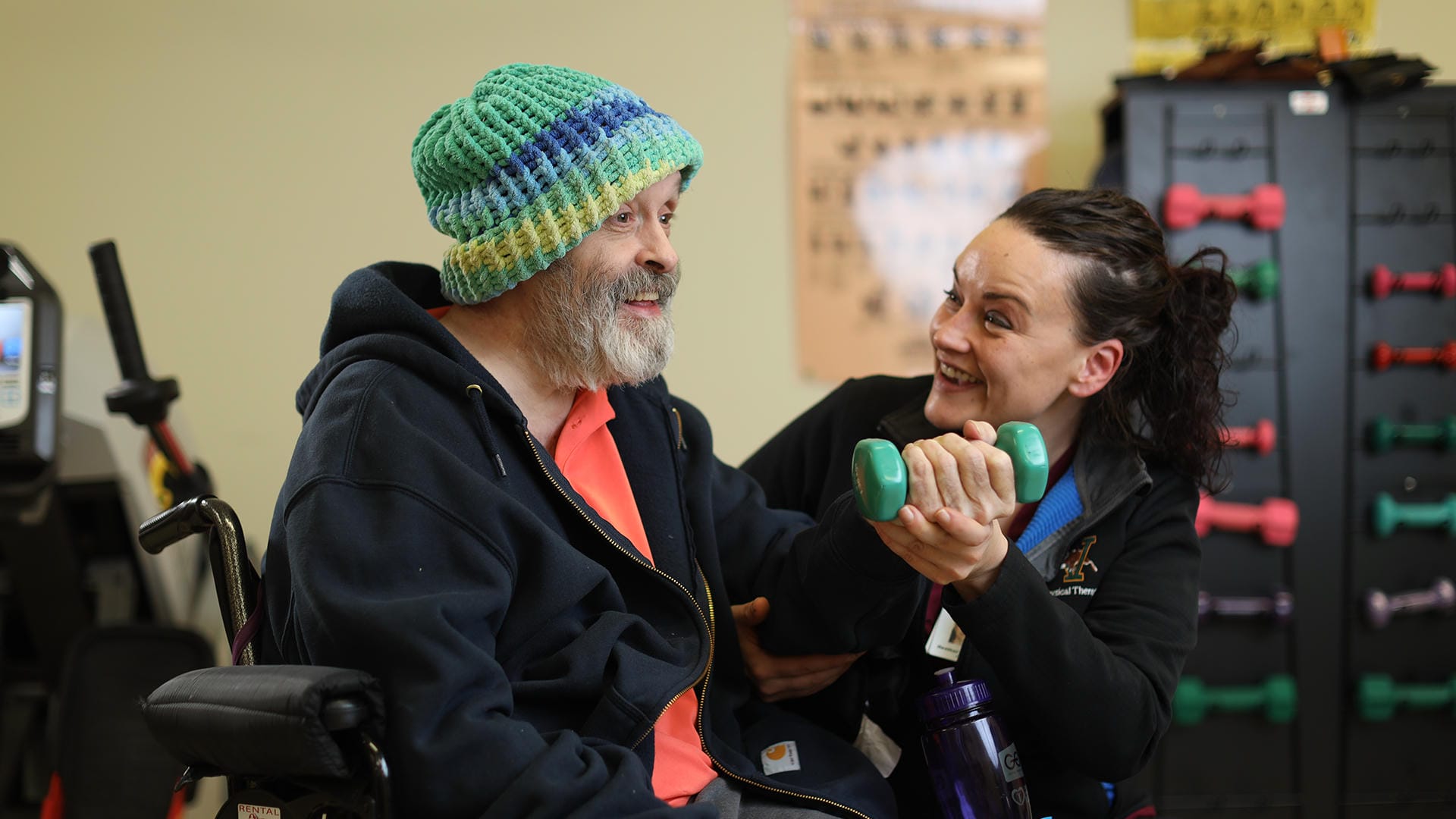
Then get uncomfortably practical. Will therapy rehearse the patient’s own problem areas, such as a narrow staircase, getting into a car, preparing a simple meal or rising from a low chair? A sample weekly calendar is more informative than another adjective. So is a visit to the therapy gym while treatment is underway.
Can the team handle the hours between therapy sessions?
The therapist may see 45 minutes out of a very long day. Later, that same patient has to reach the bathroom with an aide. Safe-transfer instructions need to survive the handoff. So do swallowing directions after a stroke. After surgery, a patient’s remark at 7 p.m. may be the clue: “This pain feels new.” The knee looks puffier than it did at breakfast. Who gets that message? What can that person do with it?
Wound care deserves its own round of questions. Who measures and documents the wound? How often is the treatment plan reviewed? Is pressure relief built into positioning and mobility? Ask to see the wound-precaution routine in practice. Current CDC guidance calls for gowns and gloves during specified high-contact tasks for many residents with chronic wounds. That can include hands-on work in the therapy gym. The next patient also deserves a clean mat and wiped equipment.
What does nighttime look like when choosing short-term rehab?
New York’s rule starts with 3.5. That is the required daily average, in hours, for nursing and aide care per resident. CNAs account for at least 2.2; licensed nurses, 1.1. Useful, yes. Still, none of those numbers tells a daughter who will answer her father’s call light at 2 a.m.
Ask for the usual staffing pattern on the unit where the patient would stay, including evenings and weekends. Who is the clinical decision-maker after business hours? How are agency staff oriented to individual care plans? What happens when someone calls out? The New York State Department of Health staffing standard is a floor; the day-to-day roster is what the patient experiences.
How will the family know whether recovery is on track?
One relative hears, “He had a good day.” Another hears that he needed extra help getting out of bed. Both reports may be true.
Ask who serves as the main family contact and how often interdisciplinary care conferences occur. Request the actual measures that will be discussed: assistance needed for transfers, walking distance, balance, swallowing status, wound changes, pain during activity and performance of daily tasks. Also ask who calls when the plan changes after a fall, new confusion, a medication adjustment or a decline in function. Families have a right to participate in care planning under New York’s nursing-home resident guidance. Participation works better with a name and phone number.
Is the discharge plan visible before discharge week?
Home can become a vague reward at the end of the hallway. It should be a working destination from the beginning.
Ask when the team begins planning for stairs, bathroom access, transportation, equipment, follow-up appointments and caregiver training. Before discharge, can the caregiver demonstrate a transfer, review wound instructions and repeat the medication schedule in his or her own words? That teach-back is far more useful than a signature on a packet.
Late August in Troy adds small complications that are easy to dismiss: hot rooms, fatigue after an outing, hydration, and a first trip home that may involve porch steps or an older bathroom layout. A mock apartment or activities-of-daily-living suite can expose trouble early. Try the shower transfer. Practice the laundry setup. A sunny afternoon is a poor time to discover that the walker does not clear the doorway.
Care. Support. Positive Outcomes. Centers Health Care.
Troy Center’s short-term patients may be trying to get one stubborn piece of an ordinary day back. The work can happen with a physical, occupational or speech therapist. There is also an activities-of-daily-living suite: kitchen, bedroom, bathroom, washer and dryer. One person brings a new joint and tricky pain; another brings a stroke and a swallowing problem. A wound may need its own routine. Those details are supposed to meet in one plan.
The destination will not look identical for everyone. One patient may be working toward the front steps at home; another needs a safer transfer, clearer speech, better pain control or a wound that can be managed outside the facility. Progress sometimes comes quickly. Plenty of weeks are more stubborn. Troy Center’s staff stays with the patient through the gains, the rough days and the recalibration in between. Small gains still count.
Steps to Home
Watch Anthony’s successful recovery from a stroke in our Steps to Home series. Then schedule a tour. Steps to Home starts here.
Our Steps to Home series follows patients through rehabilitation and the journey from hospital to home: