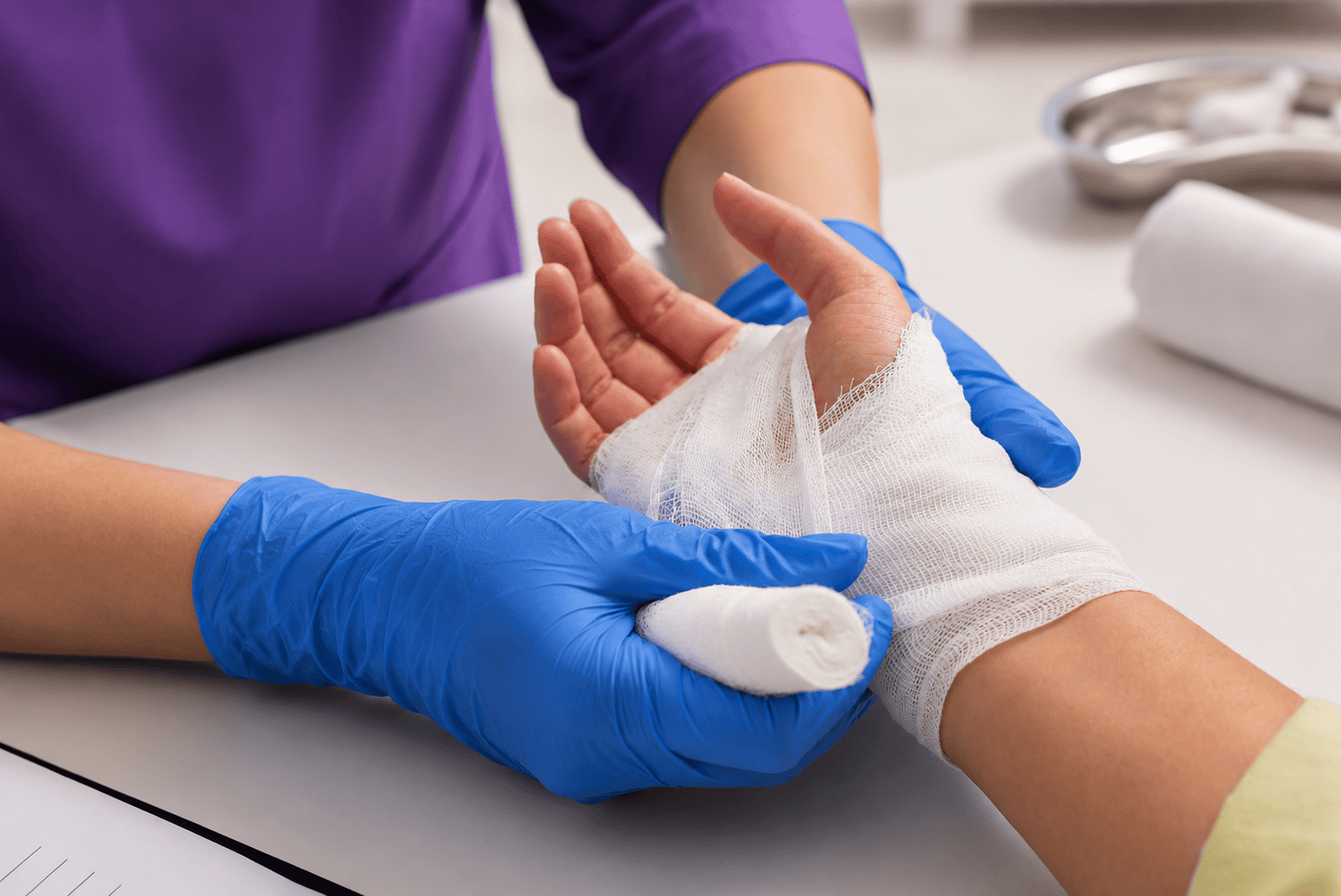
Short-Term Rehab and Wound Care: Why Small Details Matter After Surgery
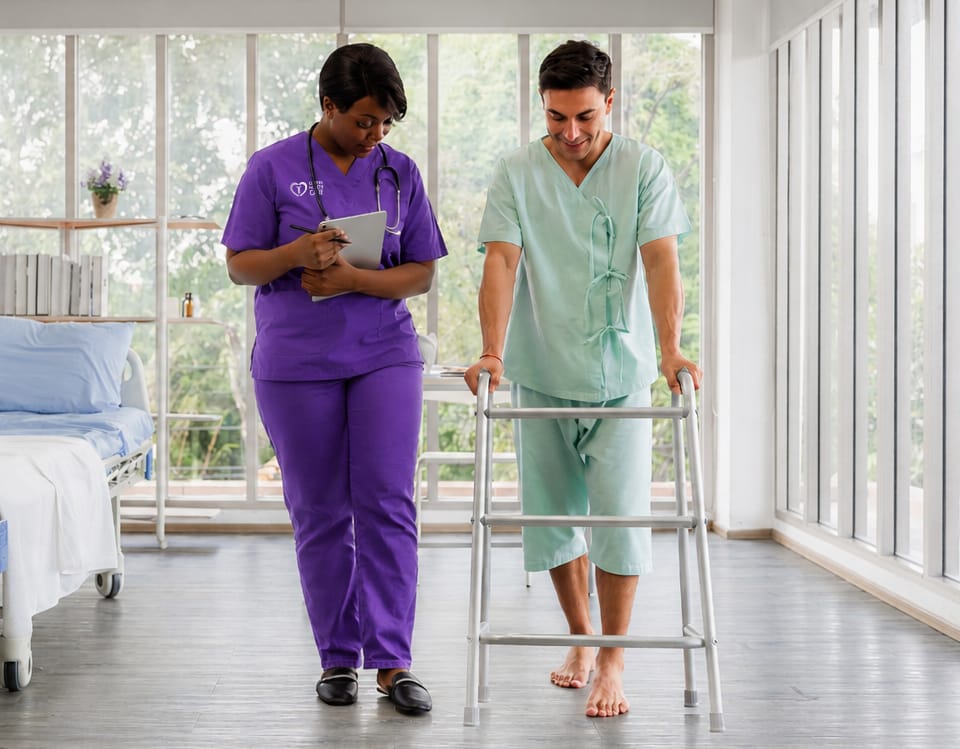
What happens in the ten days after surgery — when dehiscence risk peaks, when a dressing left on too long quietly delays granulation, when early infection looks like normal inflammation — that’s where recovery either holds or doesn’t. Usually at a skilled nursing facility, or at home if the patient got discharged before anyone took a hard look at whether they were actually ready.
That gap between discharge and stability is the whole point of short-term rehab wound care.
How Short-Term Rehab Wound Care Fits Into Recovery
Wound care gets described in the simplest terms: clean it, cover it, watch for swelling. That framing understates what’s happening by a lot. Surgical incisions close at the surface, but the tissue underneath goes through a sequence — inflammation, granulation, collagen deposition, remodeling — that takes months. The remodeling phase begins two to three weeks after injury and can continue for a year or more, with the repaired tissue never fully regaining original properties and tensile strength eventually reaching only about 80% of uninjured skin. That’s true even for a “clean” incision that healed without incident.
The first ten days are the most exposed. Dehiscence — partial or total separation of previously approximated wound edges — typically occurs five to eight days following surgery, when healing is still in the early stages, and contributing factors include ischemia, infection, malnutrition, diabetes, smoking, and obesity. None of those risk factors disappear when a patient leaves the hospital. They follow the patient to wherever they’re recovering. In a skilled nursing facility, clinical staff are there to catch what’s developing. At home, the patient is largely working from a discharge sheet. A discharge sheet covers the basics. It doesn’t train someone to recognize the absence of a healing ridge on day seven, or distinguish serosanguineous drainage from normal weeping, or know that new bruising around a closed incision warrants a call. Those are clinical observations. A nurse on morning rounds catches them. Someone’s spouse or adult child, however attentive, probably doesn’t.
The Window That Gets Missed
Readmissions after surgery aren’t random. Patients who develop surgical site infections are five times more likely to experience hospital readmission than those who don’t, with associated mortality risks ranging from two to eleven times greater. Orthopedic cases are particularly susceptible — infections account for 44% of readmissions following orthopedic surgery, a number that holds even for elective procedures in otherwise healthy patients.
Signs of impending dehiscence include localized bruising, unexpected pain, absence of a healing ridge by postoperative days five to nine, nausea, and vomiting. These are observable. A trained nurse checking a wound daily catches that picture. Family members at home, no matter how attentive, usually don’t know what a healing ridge is or when it’s supposed to appear.
Short-term rehab wound care is partly about protocols, but it’s also about frequency. Daily wound assessment in a facility setting isn’t a luxury — it’s the mechanism by which small problems stay small.
Short-Term Rehab Wound Care: The Therapy Connection
Pain management and wound healing pull on each other in ways that aren’t always obvious going in. A patient whose discomfort runs ahead of their medication schedule will resist repositioning. Prolonged static positioning impairs local circulation, starves wound edges of perfusion, and creates conditions for breakdown. The wound that looked stable Thursday can look different by Saturday morning.
Early mobilization promotes circulation and supports healing, and controlling pain in the first 72 hours — through both pharmacological and non-pharmacological methods — is considered critical to recovery progress. That means the physical therapist working on gait and the nurse managing the incision need to be operating from the same picture. When PT is pushing ambulation while nursing is flagging wound tension, someone has to arbitrate — and the time for that conversation is before a problem develops.
In a well-run facility, the PT, wound care nurse, and attending physician are looking at the same patient record. When nursing flags a change in wound status Tuesday morning, it doesn’t sit in a note until someone stumbles across it — it gets to the rehab team before Thursday’s session compounds the problem. For patients coming out of orthopedic surgery, stroke-related procedures, or anything involving significant tissue disruption, that coordination structure isn’t supplementary.
What Short-Term Rehab Wound Care Looks Like in Practice
“Advanced wound care” is one of those phrases facilities use freely without always defining it. The specifics matter: which dressing, changed how often, based on what assessment criteria, with which adjunct therapies if the wound stalls.
The specific dressing matters. Collagen powders, calcium alginates, NPWT — these aren’t interchangeable, and the right call depends on wound type, exudate level, the patient’s underlying health, and whatever comorbidities are in play. A wound stalling in the inflammatory phase needs a different intervention than one that’s granulating but draining heavily. NPWT has become more standard in post-acute settings over the past several years, particularly for wounds with significant drainage or closure tension. Oxygen-based adjunct therapies get used where tissue perfusion is the limiting factor.
None of that is accessible at home without significant logistical support. A skilled nursing facility running a serious short-term rehab wound care program has these tools on hand, with staff who know how to use them and can adjust the approach as the wound’s status changes.
Nutrition is another factor that tends to get underweighted in conversations about surgical recovery. Collagen synthesis — the process that actually rebuilds tissue strength — depends on protein and micronutrient availability. A patient who isn’t eating well after surgery isn’t healing well, regardless of how technically sound the dressing protocol is. Registered dietitians, available in quality SNF settings, address this directly.
Wound Care and Short-Term Rehab at Corning Center
Corning Center provides short-term rehab wound care as part of a broader post-acute program that includes stroke care, pain management, and long-term care. Recovery after surgery rarely stays in one lane — wound status affects what PT can do, pain levels affect participation, nutrition affects all of it. Corning’s clinical team works those connections rather than around them. For anyone in the Southern Tier of New York figuring out next steps after a procedure, a direct call is the right starting point.