
Subacute Rehab After Surgery: What Families Should Expect in the First Two Weeks
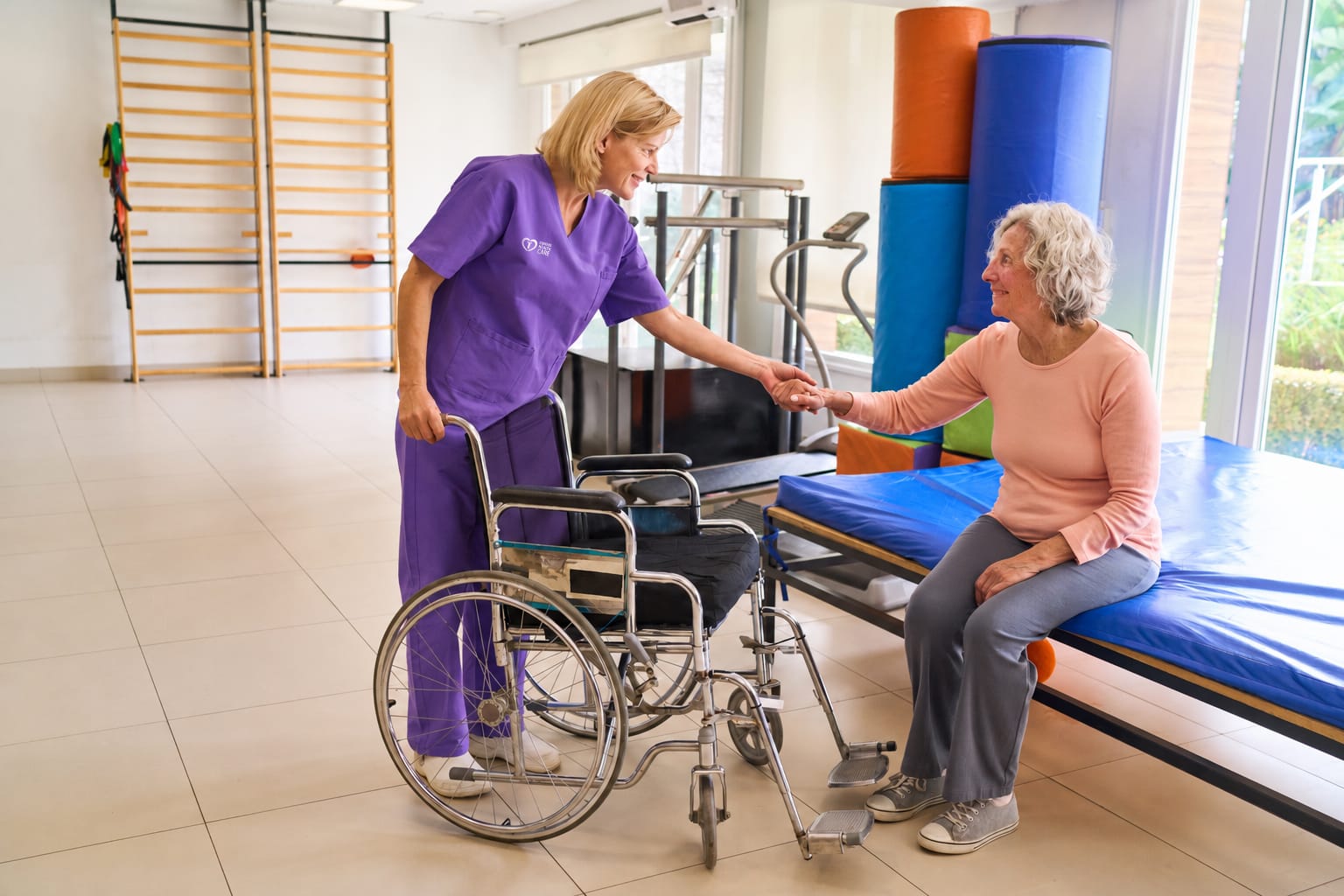
Hospital discharge happens on the hospital’s schedule. Not yours. A case manager walks in, the bed is needed elsewhere, and before you’ve had time to think, the question gets asked: rehab facility or home? For families in New York dealing with a loved one coming out of major surgery — hip replacement, cardiac procedure, spinal surgery, abdominal — that question deserves a real answer. Not a pamphlet.
Subacute rehab after surgery is the bridge between acute hospital care and going home. That’s the textbook version. What it actually looks like over the first two weeks — that’s what most families find out after the fact, not before.
What “Subacute” Means in a Post-Surgical Context
Subacute care sits below acute hospital medicine and above home care. The patient is medically stable — that’s the threshold for transfer — but not ready to manage on their own. Nursing oversight is still happening around the clock. IV antibiotics, wound management, pain protocols, medication adjustments. None of that disappears just because the patient left the hospital bed.
Acute inpatient rehab demands three-plus hours of daily therapy. That’s not what subacute is, and it’s not supposed to be. A body ten days out of surgery has different limits than one three weeks out. The pacing reflects that — not a gap in the program. After major surgery, the body can’t always handle three or four hours of daily therapy. Subacute rehab after surgery meets patients where they actually are — not where the discharge paperwork suggests they should be. There’s a real difference, and the clinical team sees it on day one.
The First 72 Hours of Post-Surgical Rehab
The first full day is mostly intake. PT looks at what the patient can actually do on their feet — how they bear weight, whether the gait is compensating for something, what device if any they need to move safely. OT is asking a different set of questions entirely. Bathing. Getting dressed without sitting down hard. The toilet transfer. It sounds mundane. It’s not — those are the tasks that determine whether going home is realistic or premature, and the answers on day one shape the entire plan.
If the surgery involved anything affecting swallowing, cognition, or voice, speech therapy enters the picture here too. After certain cardiac or neurological procedures, that’s more common than families realize going in.
Families who visit early in the stay — day two, sometimes day three — often don’t expect to see their loved one standing. Walking, even. Not far, and not alone, but upright and moving. Hospitals don’t always communicate that this starts immediately. It does. Getting patients moving after surgery cuts down on clotting, chest complications, and the kind of muscle loss that adds weeks to recovery. The first steps aren’t symbolic. They’re clinical.
Between sessions there’s a lot of rest, and families occasionally misread that as the facility being passive. It isn’t. Post-surgical fatigue is real and compounds. The structured downtime is part of the recovery model, not a gap in care.
The Therapy Schedule During Subacute Rehab After Surgery
Physical therapy runs one to two hours daily. Occupational therapy, roughly an hour. The goal in week one isn’t building strength — it’s restoring function. Can the patient move safely? Are they developing the mechanics that will actually matter at home, on real stairs, in a real bathroom?
Wound care operates on its own clinical schedule. Patients on IV antibiotics for post-surgical infection management receive that through the nursing team — it doesn’t require a hospital bed, but it does require consistent oversight. Skilled nursing facilities handle more than most families realize: complex wound protocols, respiratory management, non-invasive ventilator care when indicated. The clinical breadth is broader than the word “rehab” suggests.
Week one also establishes the care conference rhythm. Most subacute facilities schedule interdisciplinary team meetings weekly — physician, nursing, therapy, and social work in the same conversation. Families who know to ask about these meetings, and show up for them, receive actual information. Those who don’t sometimes feel like observers.
Ask on day one when the first care conference is scheduled.
Week Two of Subacute Rehab After Surgery: What Changes
Something shifts around day eight or nine. Either the patient has momentum — longer ambulation distances, managing more of their personal care, demonstrating they can handle stairs — or the team is recognizing that recovery is running longer than projected. Both outcomes are clinically legitimate. Neither should catch the family off guard if they’ve stayed engaged.
Week two is when the discharge picture starts taking shape — which means families should already be thinking about it. The team will want to know about the home. Steps at the front door. The bathroom situation. Who’s there during the day and whether that person can actually help. Equipment needs lead time. Outpatient therapy slots fill up. Waiting until day twelve to start those conversations is how people end up with a discharge date and no plan. Starting those conversations on day eight leaves room. Starting on day twelve means scrambling.
The most useful thing a family member can do during the second week is watch a therapy session. Not from the doorway. Actually watch, ask the therapist what they’re working on, learn the specific transfer technique the patient is practicing. When something goes sideways at home at 9pm, that knowledge matters more than any printed handout.
Bishop Rehabilitation and Nursing: Subacute Rehab After Surgery in Syracuse
For families in the Syracuse area, Bishop Rehabilitation and Nursing offers a post-surgical program built around exactly this level of care. Their services include physical, occupational, and speech therapy alongside dedicated subacute care and complex medical management — IV antibiotic therapy, wound care and wound vac, cardiac rehabilitation, respiratory management, and non-invasive vent care. Bishop also handles orthopedic recovery, amputee recovery and training, PleurX and LifeVest management, enteral nutrition therapy, and diabetes management. For a patient leaving surgery with layered clinical needs beyond a single mobility issue, having that breadth under one roof means fewer transfers, tighter coordination, and a team that doesn’t hand off pieces of the patient to other facilities mid-recovery. More at bishopcare.net.
Centers Health Care: Post-Surgical Rehab Across New York
Post-surgical recovery looks different for everyone. Centers Health Care has skilled nursing and rehabilitation facilities across New York for exactly that in-between period — past the hospital, not yet ready for home. centershealthcare.com has location information.
Care. Support. Positive Outcomes. Centers Health Care.
Centers Health Care provides rehabilitation, skilled nursing and long-term care for people with a wide range of needs. Whether someone is recovering from surgery, managing an illness or simply needs more support than can be provided at home, our staff is there to help.
The goal is not exactly the same for everyone. It may be returning home, becoming stronger, staying independent or simply feeling better and more comfortable from one day to the next. There will be progress, setbacks and difficult days along the way. Our job is to be there through all of it, and to help each patient or resident get as far as he or she can.
Sometimes that progress comes in large steps. More often, it comes in small ones. Either way, every step matters.
Our Steps to Home series follows patients through rehabilitation and the journey from hospital to home: